Skip to content
Flyout Menu
A visit to the museum
Literature Review
About the Museum
Our achievements
Our film
Our blog
Our database of Resistance fighters from the M.O.I.
Contact
English
Français
(
French
)
A visit to the museum
Literature Review
About the Museum
Our achievements
Our film
Our blog
Our database of Resistance fighters from the M.O.I.
Contact
English
Français
(
French
)
A visit to the museum
Literature Review
About the Museum
Our achievements
Our film
Our blog
Our database of Resistance fighters from the M.O.I.
Contact
English
Français
(
French
)
Search
Home
Postcards
Toutes les salles
1.
Before 1934
The Jewish section of the M.O.I.
2.
1934 - 1939
Against Fascism | Outbreak of War
3.
Jan 1940 - Sept 1940
The Occupation | Creation of “Solidarity”
4.
Sept 1940 - June 1941
State Antisemitism | Responses
5.
June - August 1941
Armed resistance
6.
August - Oct 1941
Execution of hostages
7.
Oct - Dec 1941
Persecutions | The Resistance
8.
Jan–Jul 1942
Vel’ d’Hiv Roundup | The FTP-M.O.I.
9.
July 1942 - Feb 1943
Rescue of Jewish Children
10.
August 1942 - May 1943
Stalingrad | Warsaw Ghetto Uprising
11.
1943
Creation of the UJRE
12.
Jan 1943 - Mar 1944
Repression | The Major Surveillance Operations
13.
Apr 1943 - March 1944
Unification of the Resistance
14.
Apr - Sep 1944
Insurrection and Liberation
15.
Oct 1944 - Nov 1945
End of the War | Reconstruction
Voir toutes les salles
Salle 1 - The Jewish section of the M.O.I.
Before 1934
1. The Jewish section of the M.O.I.
Postcards
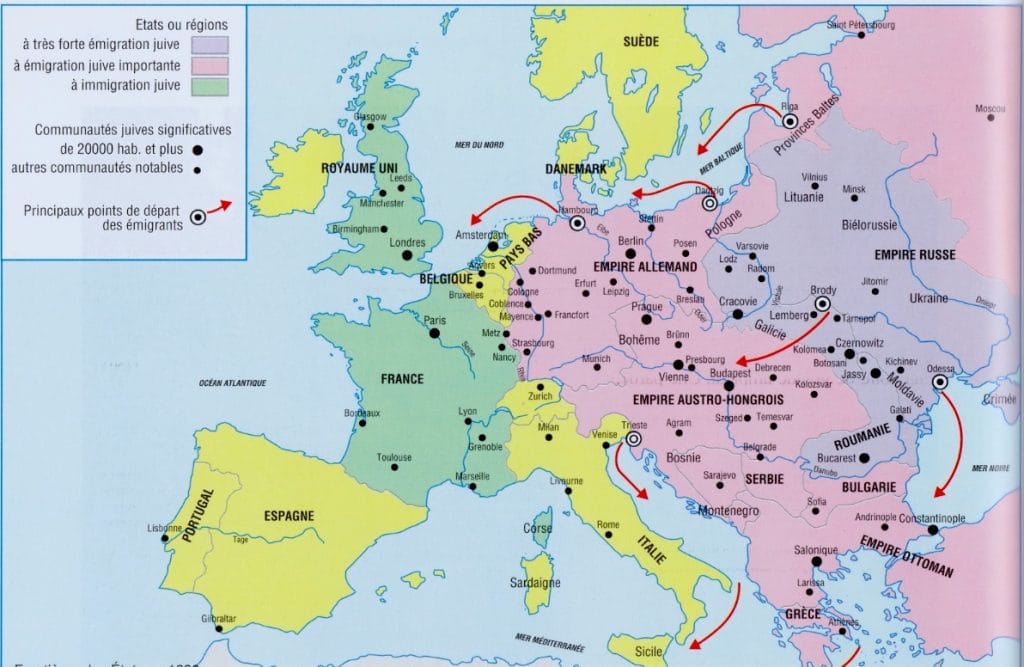
Jewish Emigration Before 1914: State Borders in 1890.
Notes
The Assimilation of Jews in France
Notes
Pogroms
Notes
Naïe Presse
Notes
Jewish Section of the M.O.I.
Newspapers
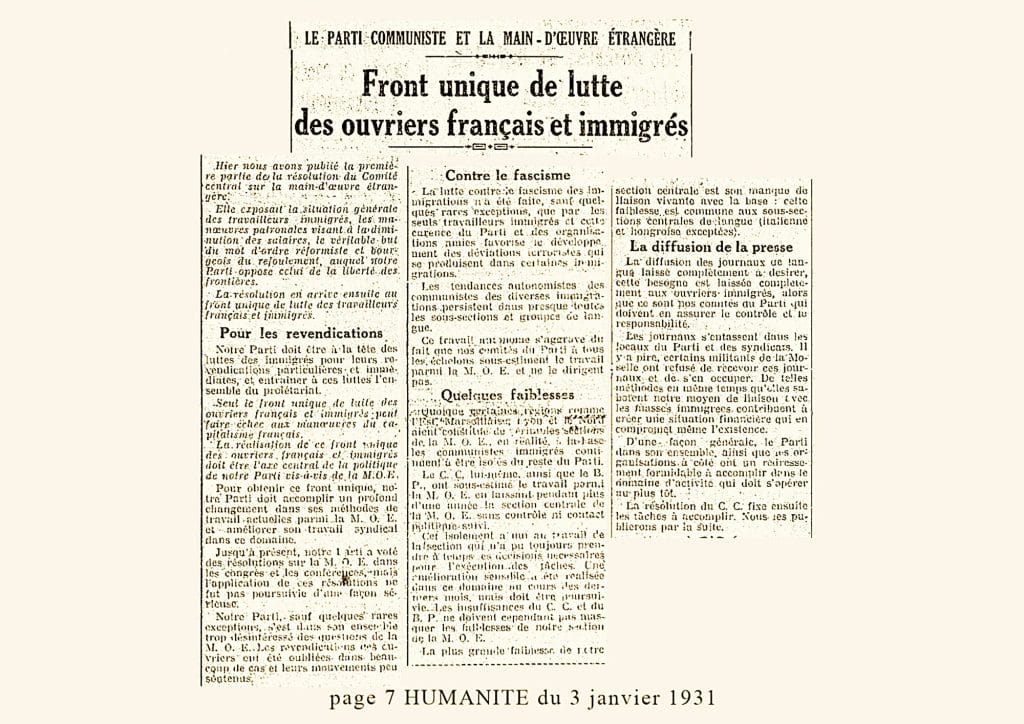
The Communist Party and Foreign Workers: “United Front of French and Immigrant Workers,”
L’Humanité
, January 3, 1931.
Documents
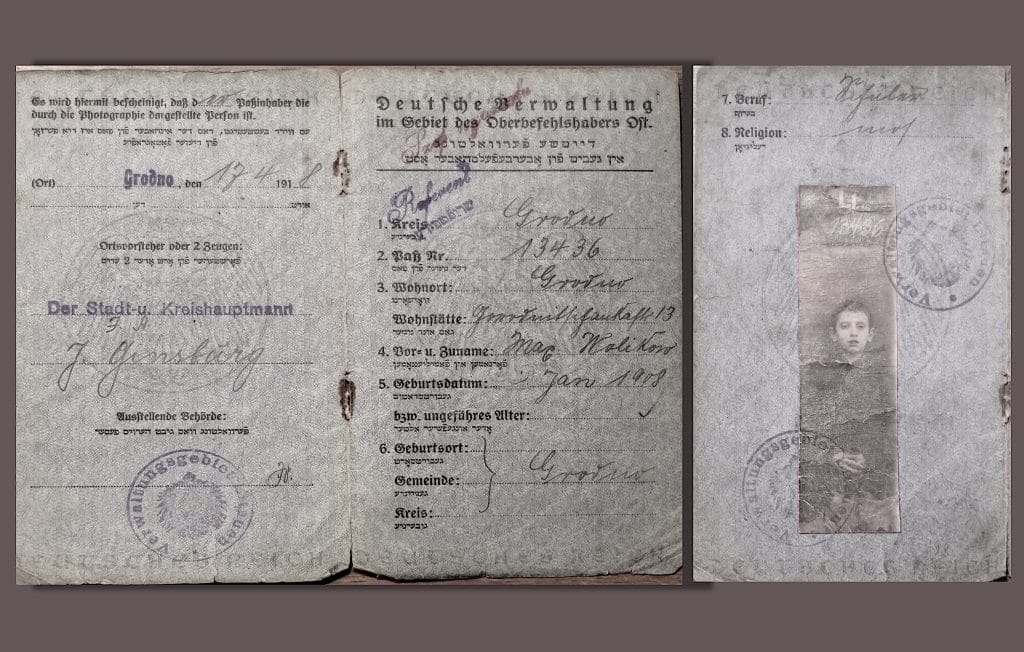
Identity card (in German and Yiddish) issued by the German military administration of the Grodno region (present-day Belarus) on April 18, 1918. (front and back)
Postcards
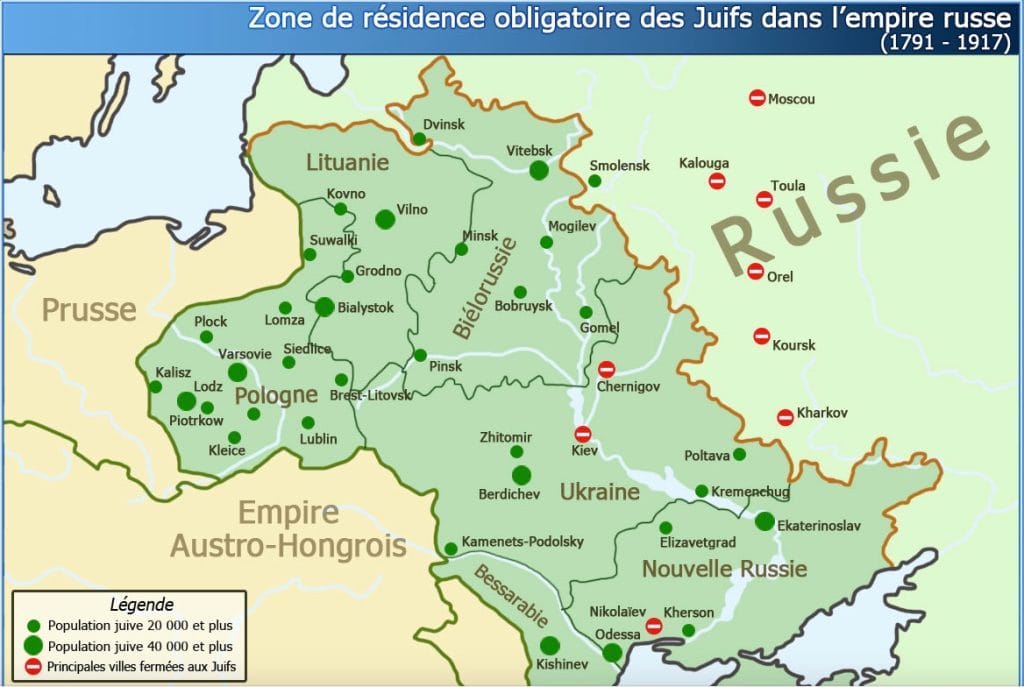
The Pale of Settlement for Jews in the Russian Empire (1791–1917).
Notes
Being a Jew
Newspapers
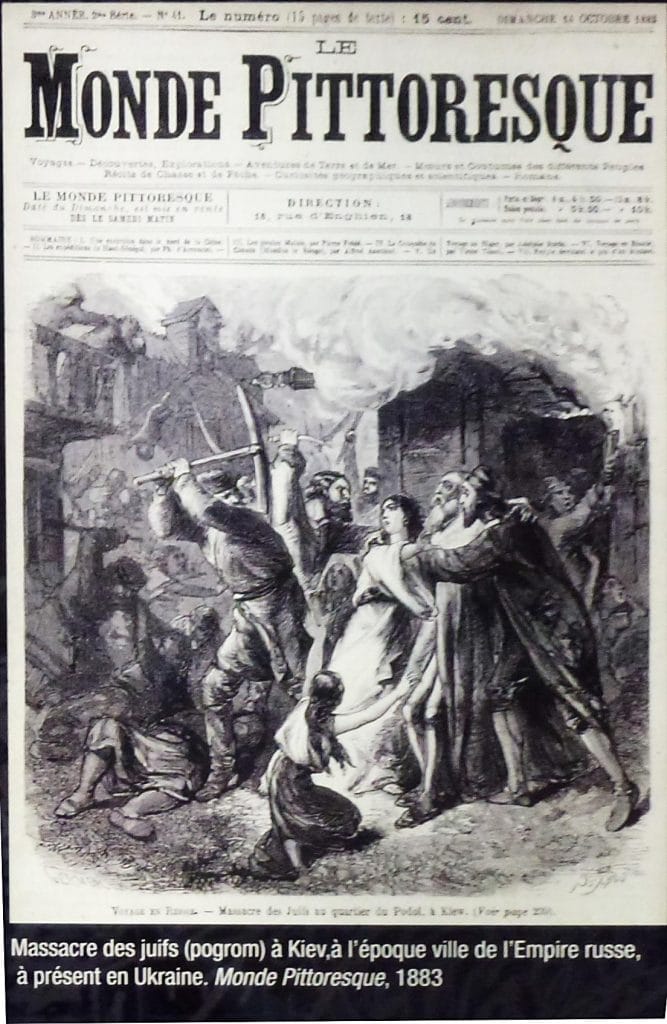
The
October 12, 1883, issue of
*Le Monde Pittoresque*
depicts the Kiev pogrom of April 26, 1881.
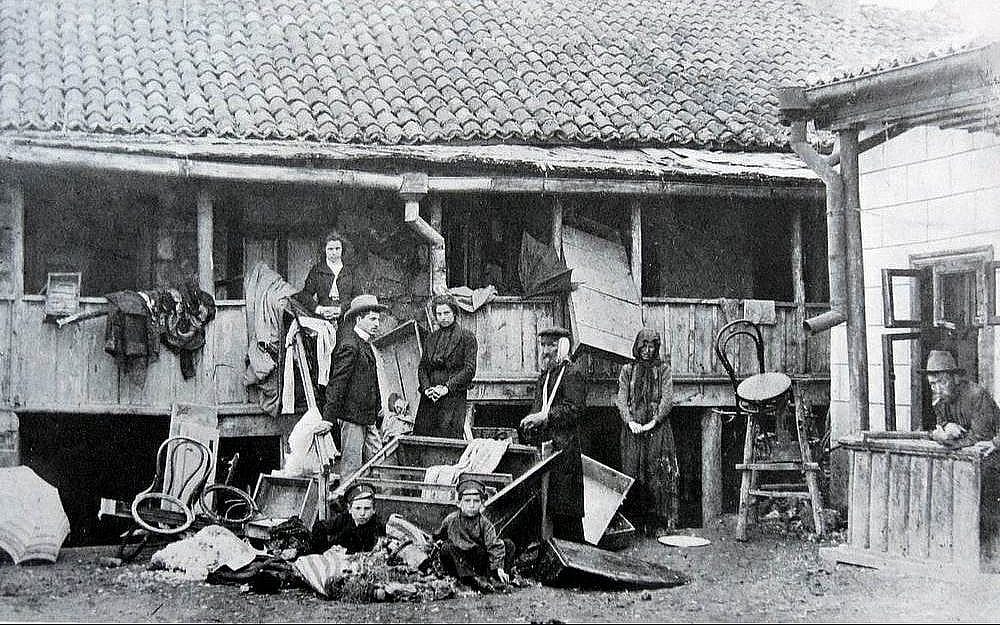
Photos
A Jewish home devastated during the pogrom in Kichinev (Chisinau), Bessarabia (present-day Moldova), on April 6 and 7, 1903.
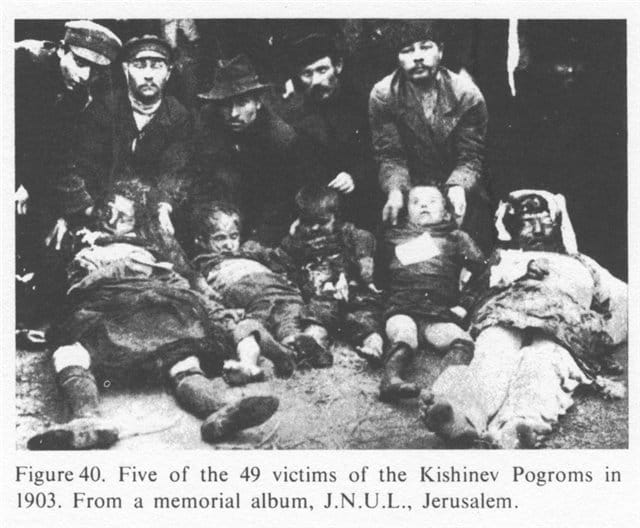
Photos
Five of the 49 victims of the 1903 pogrom in Kichinev (Chisinau), Bessarabia (now Moldova).
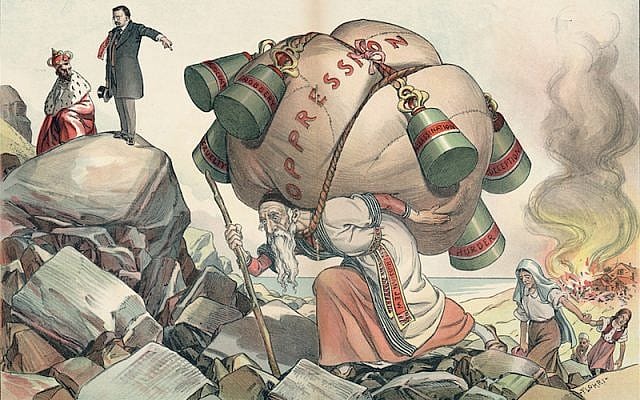
Documents
Lithograph following the first Kishinev pogrom (1903): U.S. President Theodore Roosevelt to Tsar Nicholas II of Russia: “Stop your cruel oppression of the Jews.”
Documents
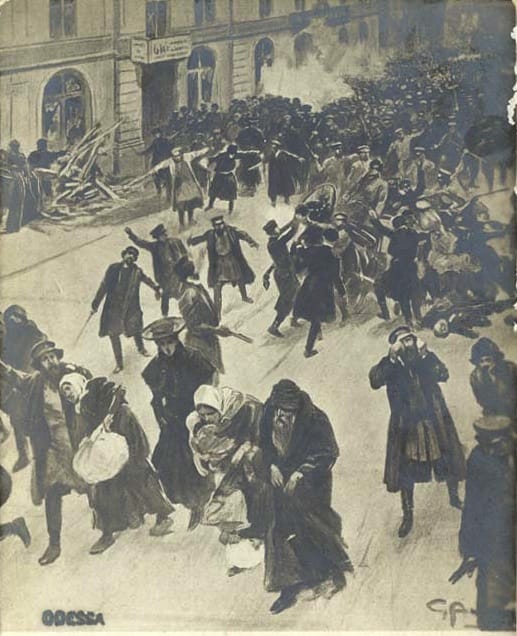
A commemoration of the Odessa pogrom (October 18–21, 1905) in Russia, the deadliest in the city’s history. Russians, Ukrainians, and Greeks massacred more than 400 Jews.
Photos
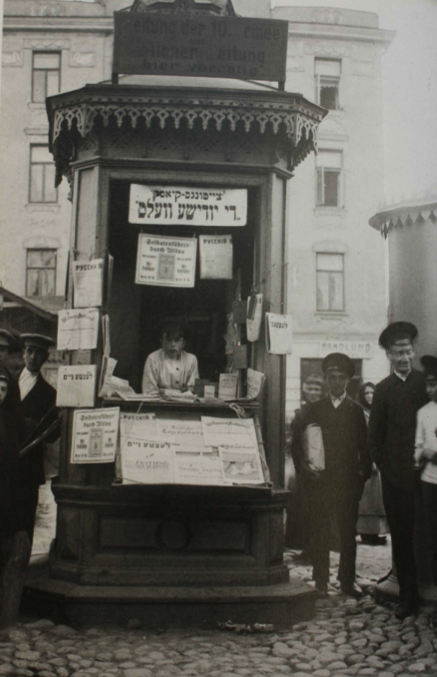
In Vilna (Vilnius) before 1920. On the top sign, in Yiddish: “Newspaper Kiosk,” and below that, in large letters: *Le Monde Juif*.
Documents
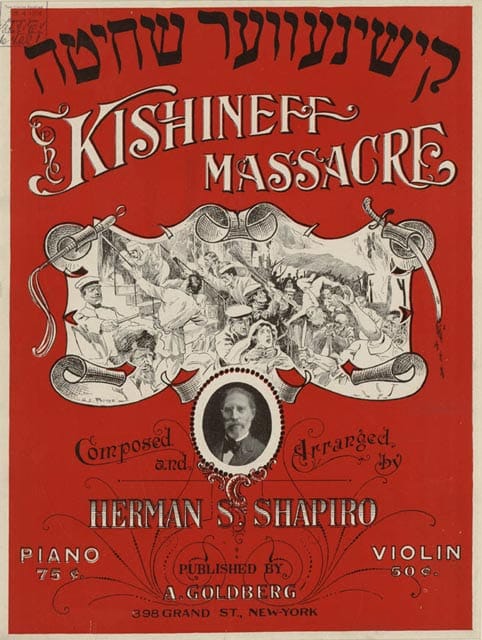
Sheet music for a song composed in 1904 by Herman Schapiro of New York, based on the Kishinev pogrom (April 6 and 7, 1903).
Photos
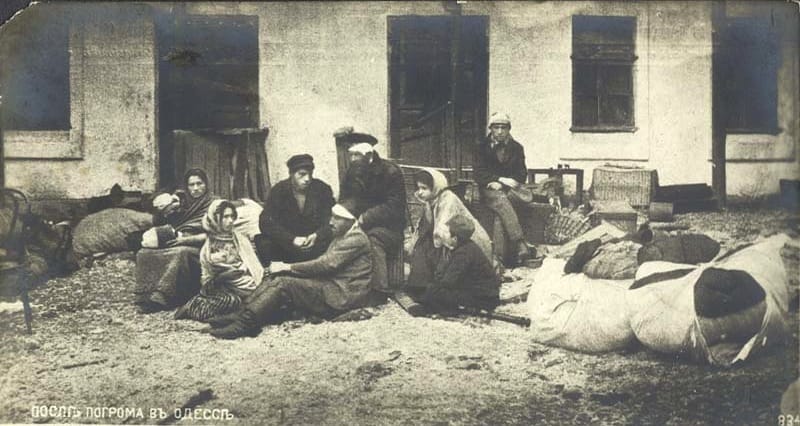
Photograph: “After the Odessa Pogrom” (October 18–21, 1905), in Russia.
Photos
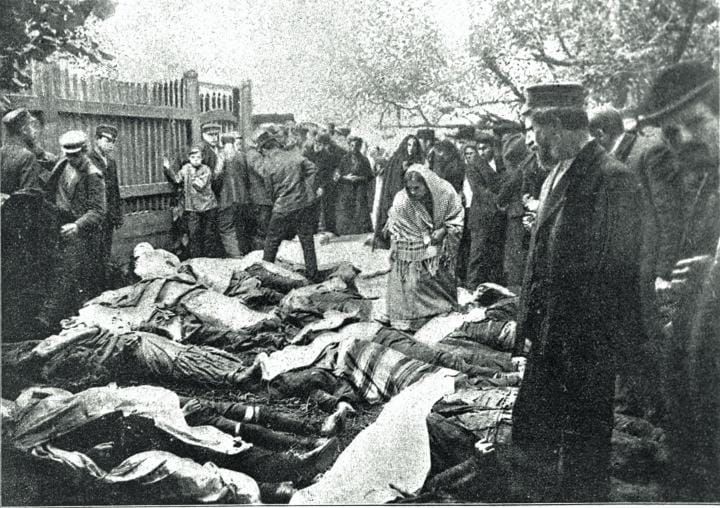
The bodies of the victims of the 1906 Bialystok pogrom in the courtyard of the Jewish hospital (Poland under Russian Occupation; now in Belarus).
Newspapers
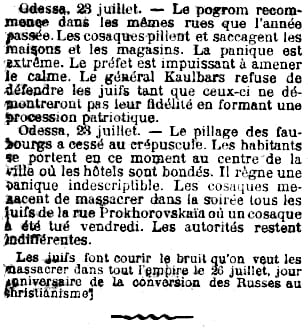
La Croix
, July 24, 1906.
Photos
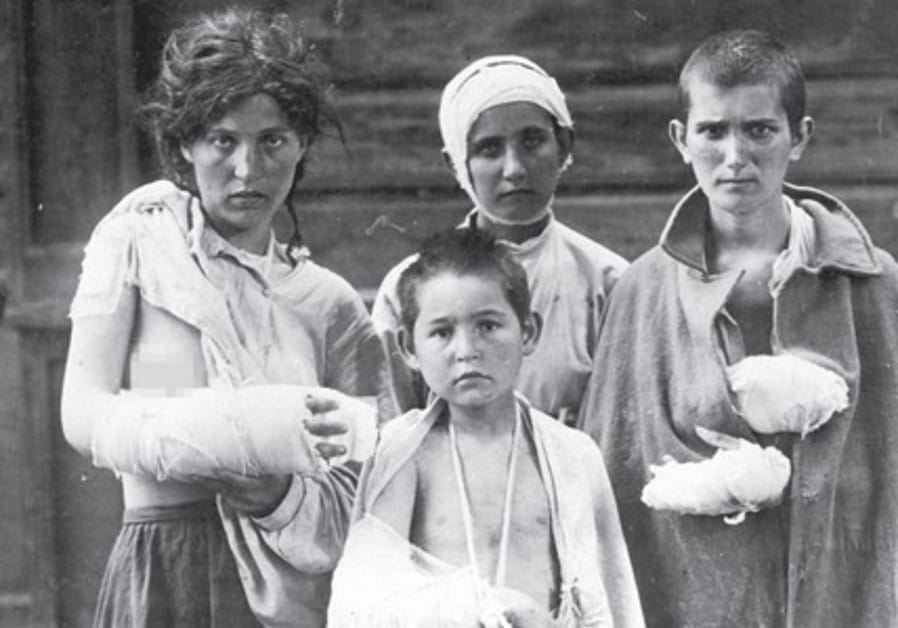
Children who were victims of a pogrom carried out by Symon Petliura’s Ukrainian nationalists in 1919.
Photos
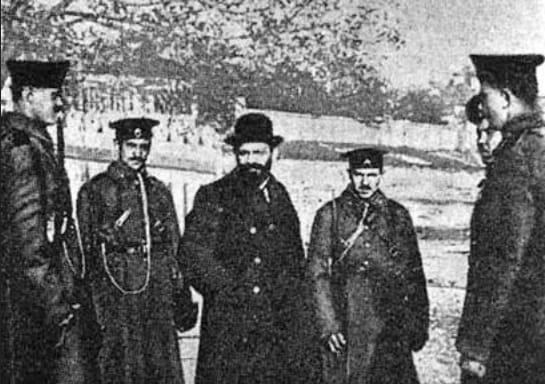
Menahem Beilis stands among Tsarist police officers before his trial: he is accused of committing a “ritual murder.” His trial in 1913 sparked outrage against the Russian Empire’s anti-Semitic policies.
Posters
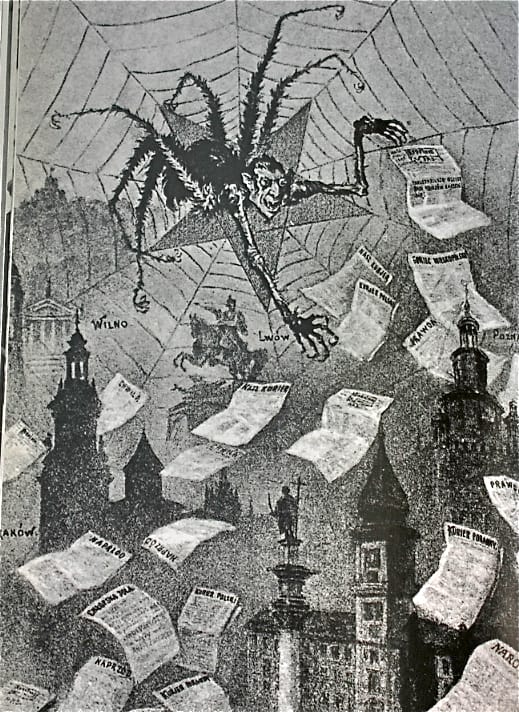
A Polish anti-Semitic poster denouncing the Yiddish press and the Bolshevik *Pravda*.
Notes
Anti-Semitism
Documents
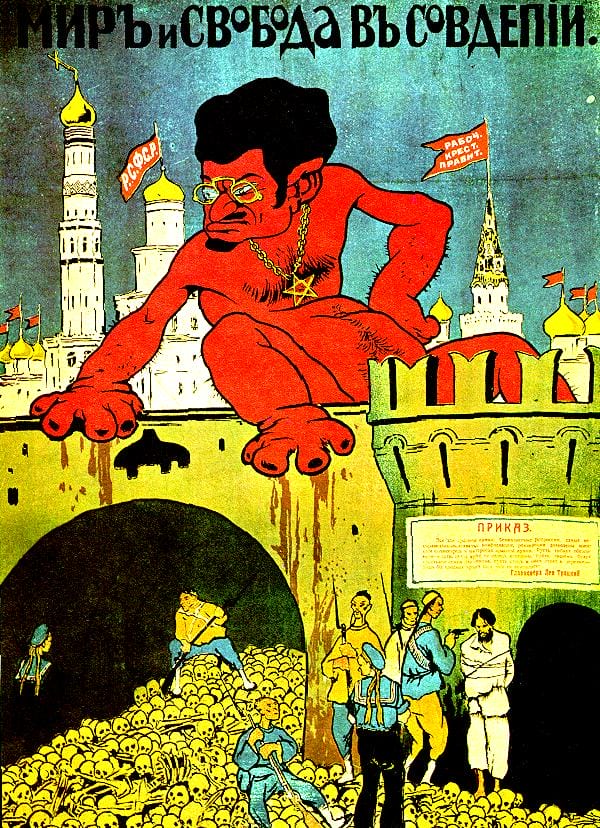
Anti-Semitic propaganda by the White Armies in 1919 denouncing “Jewish-Bolshevism” as embodied by Leon Trotsky.
Page
1
Page
2
Page
3
Page
4