In 1932, the PCF created a specific organization, the Main-d’Œuvre Immigrée (M.O.I.), an offshoot of the CGTU union affiliated with the PCF. The M.O.I. established various language groups. Immigrants who spoke Yiddish were assigned to the Jewish section.
To address language barriers and establish a foothold among foreign workers, the French Communist Party (then known as the SFIC, the French section of the Communist International) established, in 1924, a specialized branch of its leadership apparatus, the M.O.E. (which became the M.O.I. in the 1930s). Under the party’s authority, the M.O.I. established a dozen language sub-sections: Spanish, Italian, Armenian, Yiddish… The highly active Yiddish-speaking Jewish section headed numerous social and cultural institutions.
Some full-time staff members are members of the Communist Party. Alongside them are a few hundred members who continue to work and are active in the immigrant Jewish community, which is concentrated mainly in the working-class neighborhoods of central and eastern Paris.
Since 1934, the main instrument of their influence has been the daily Yiddish newspaper, *Naïe Presse* (The New Press). These activists operate within what are known as “mass” organizations—networks of various associations that serve as conduits for the Party’s slogans. These organizations serve as breeding grounds for political initiation and recruitment.
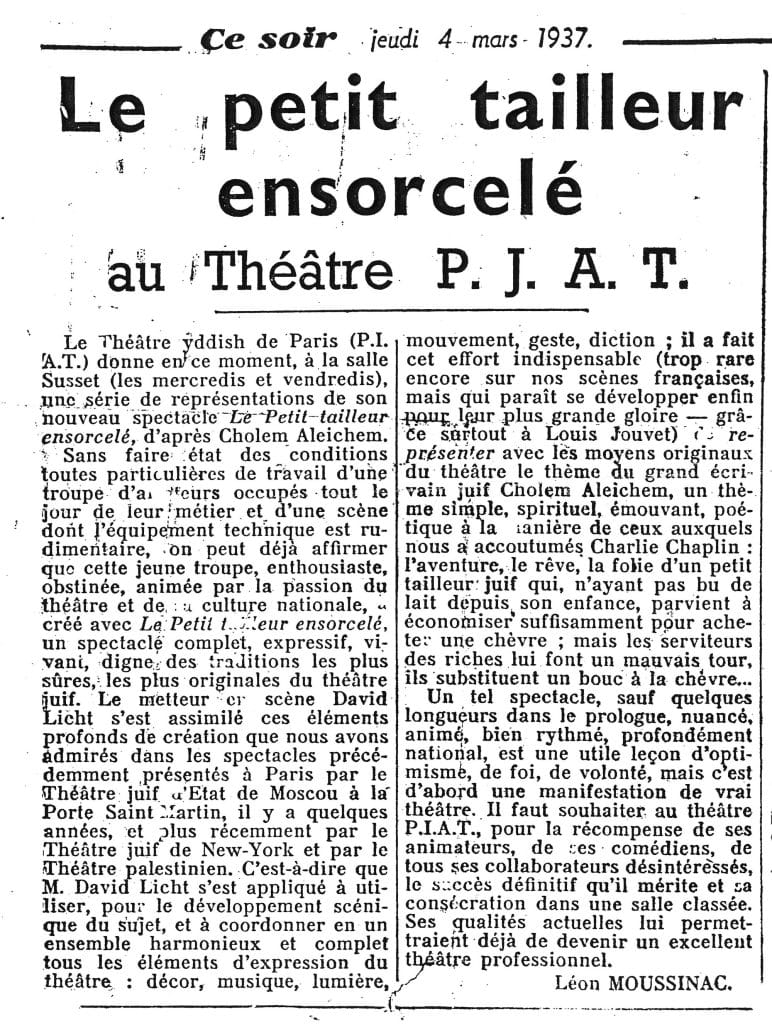
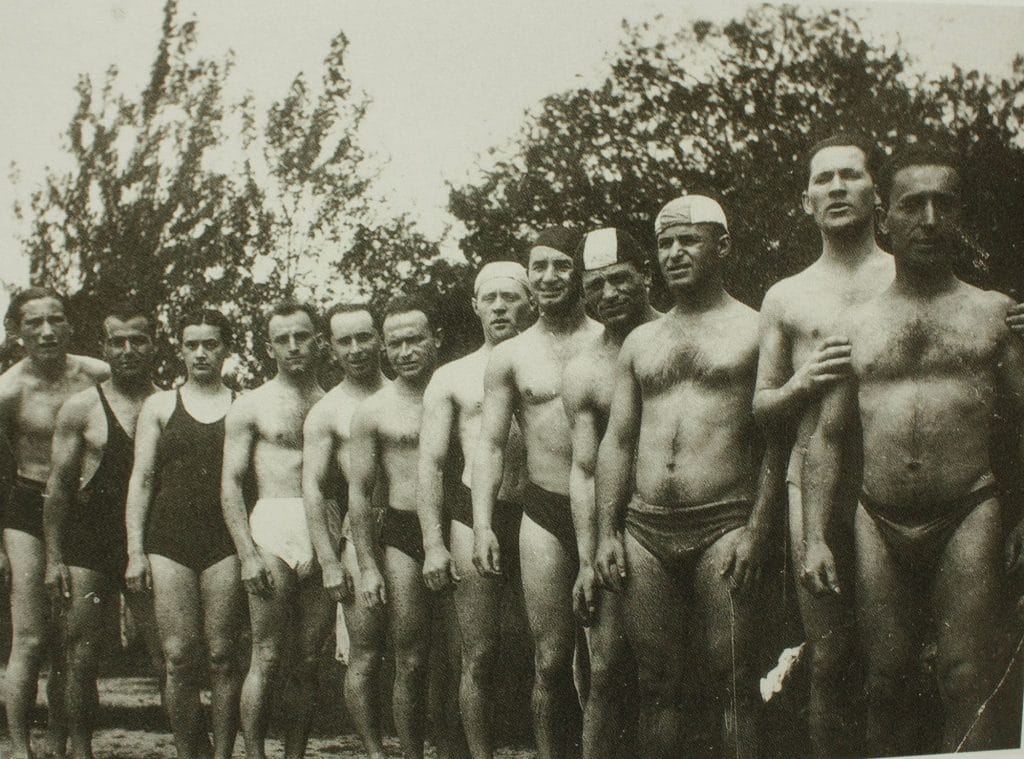
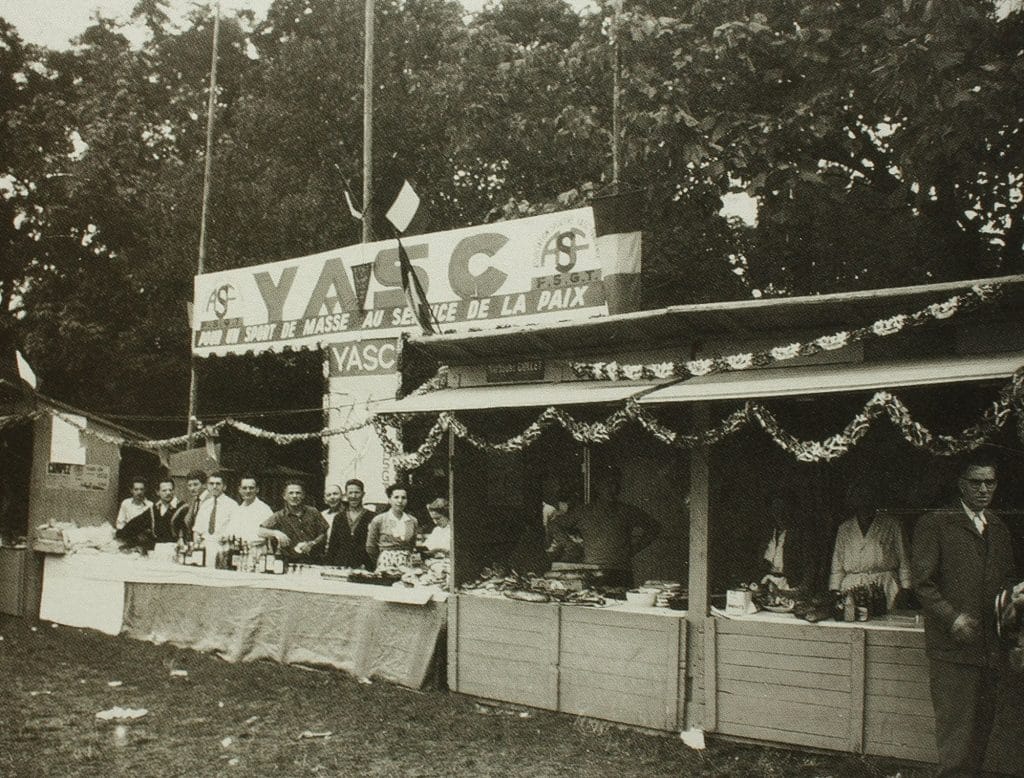
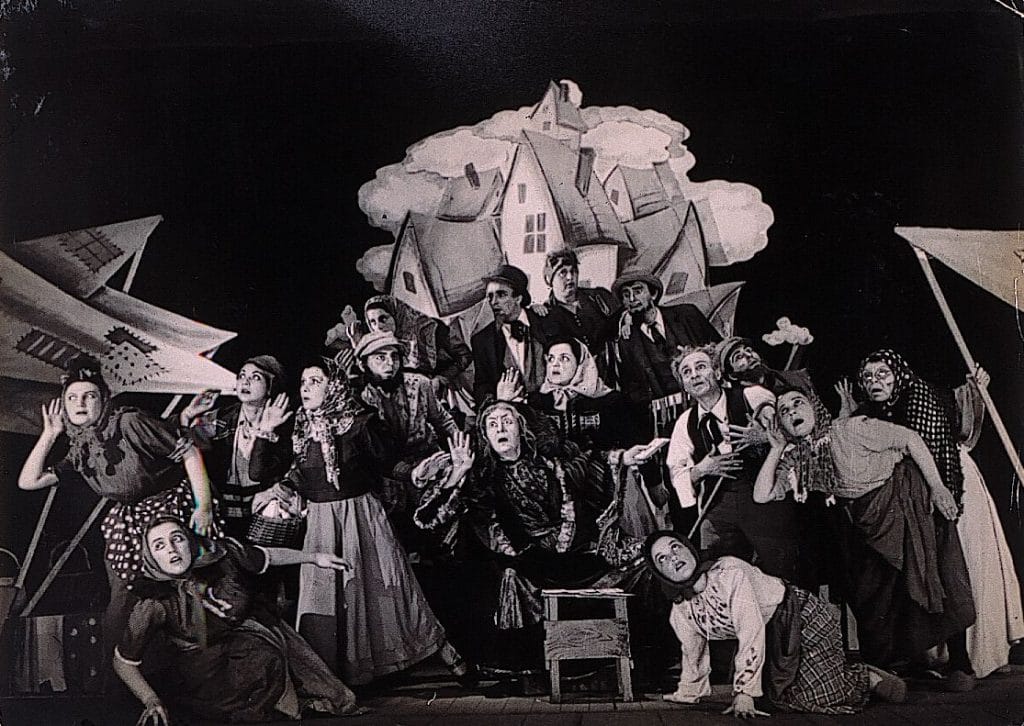
Thus, the Kultur Ligue, the heart of social life for young Jewish immigrants, set up shop at 10 rue de Lancry and became not only a cultural organization but also a sort of labor and housing exchange, as well as an information office for obtaining identity and work papers. Under its auspices, a library, a Yiddish theater, a choir, a youth group, a sports club, a clinic, a youth center, summer camps, a women’s organization, and city-based associations reflecting the immigrants’ countries of origin were established… This was the outline of a counter-society covering all kinds of needs.
These internationalist Jews took part in the struggles of the French labor movement, with which they were organically linked. They were actively involved in the anti-fascist struggles and played a prominent role in the major strikes of 1936 in support of the Popular Front. They supported the Spanish Republic, and many joined the International Brigades.
They support Yiddish culture and speak out against measures targeting immigrants, anti-Semitism in France, and anti-Jewish persecution in Hitler’s Germany.
Reference:
Simon Cukier, Dominique Decèze, David Diamant, Michel Grojnowski, *Revolutionary Jews*, Messidor, 1987