The Union of Jewish Women (UFJ) grew out of “Solidarité,” a clandestine mutual-aid organization founded in 1940 by the Jewish section of the M.O.I. It provided assistance to prisoners of war, internees, and their families, and, after the deportations began, organized the rescue of Jewish children.
In 1941, the Union of Jewish Women (UFJ), which had grown out of “Solidarité,” comprised about fifty groups. Its leader was Sophie Schwartz, who, in 1935, had founded—together with women from the Kultur Liga (a secular Jewish organization dedicated to promoting education and culture in Yiddish)—a Union of Jewish Women for Peace and Against Fascism.
The UFJ provided assistance to prisoners of war, internees, and their families; kept the Jewish population informed of events; and encouraged them to resist.After the Vél’ d’Hiv’ roundup and those that followed, the Union of Jewish Women expanded its activities: it was necessary to organize the rescue of the children of internees and the fight against deportation.
In 1942, a “Commission for Children”—sometimes referred to as the “Committee for Children”—was established. Several hundred children were thus saved. They were sent to the countryside under false names, and their “board and lodging” was paid for by the UFJ, which enjoyed widespread support among the population. Such a task required cooperation with French organizations. The Mouvement National contre le Racisme (MNCR)—whose publications played a vital role in raising awareness about the plight of Jews in France and the extermination in the death camps—served as a bridge between the Commission for Children and the French public.
On several occasions, thanks to the efforts of UFJ activists, children who were “stranded”—whose parents had been interned or deported—were smuggled out by these women from agencies under the Occupation’s control, and the records used to organize deportations were destroyed. Thus, on February 16, 1943, the Children’s Commission succeeded in rescuing 63 children from a shelter run by the General Union of French Jews (the UGIF, founded by Vichy at the Nazis’ request) on Rue Lamarck—children whom the Germans were preparing to deport. The children were hidden in the countryside with the help of Suzanne Spaak of the MNCR and Pastor Vergara. In addition to the MNCR, these efforts were carried out in coordination with other Jewish rescue organizations, such as the Children’s Relief Fund (OSE), as well as Christian organizations.
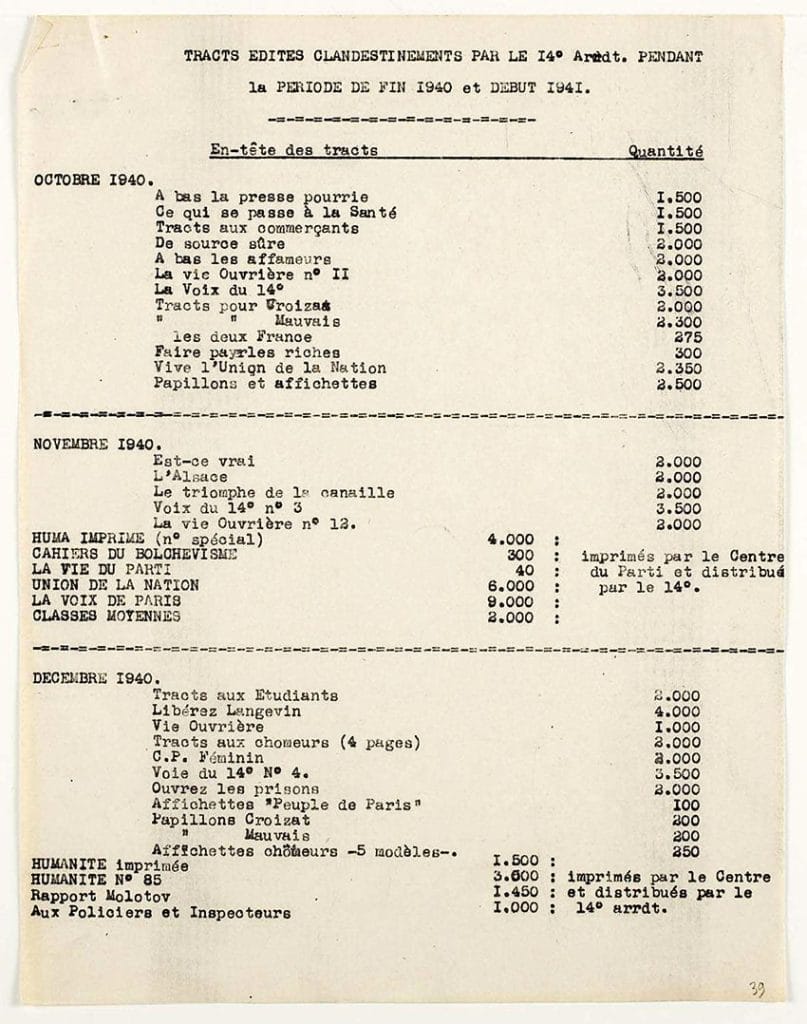
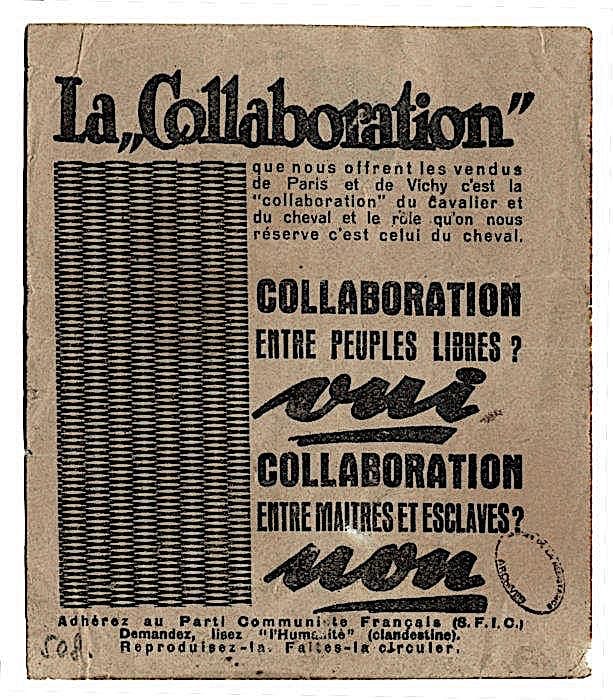
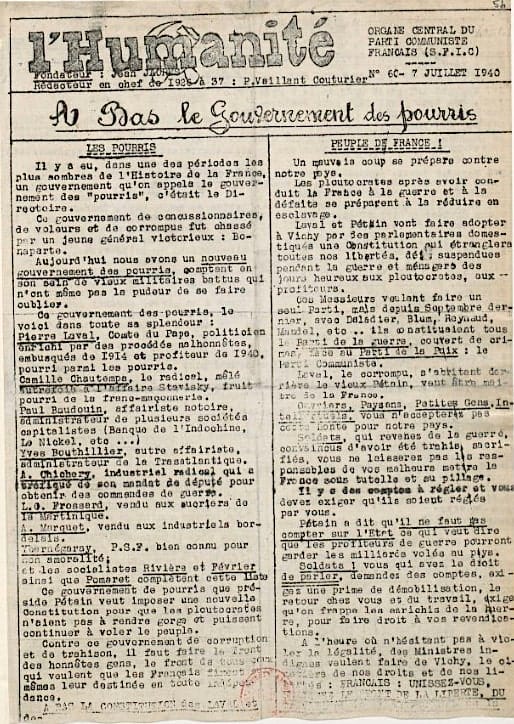
The UFJ also organizes Resistance against the occupying forces in various sectors, including intelligence operations, the transport of weapons and explosives, clandestine printing operations, and the distribution of anti-fascist publications.
Many of these female Resistance fighters were deported and never returned.
After the Liberation, the Children’s Commission, led by the Union of Jewish Women, became the Commission Centrale de l’Enfance (CCE) under the Union of Jews for Resistance and Mutual Aid (UJRE).
Reference:
Cukier, Simon; Decèze, Dominique; Diamant, David; Grojnowski, Michel, 1987, Revolutionary Jews. Messidor/Éditions sociales.