The “Special Brigades,” a division of the police’s General Intelligence Service, were established in March 1940 but did not truly expand until 1941 and 1942. Their mission: to track down “France’s internal enemies” (the Resistance fighters). The BS were primarily tasked with suppressing the Communist Resistance. BS units were present in all major French cities.
They were initially made up of volunteers, generally police officers who were members of collaborationist parties. Faced with recruitment difficulties, young police officers were brought in to bolster the ranks.
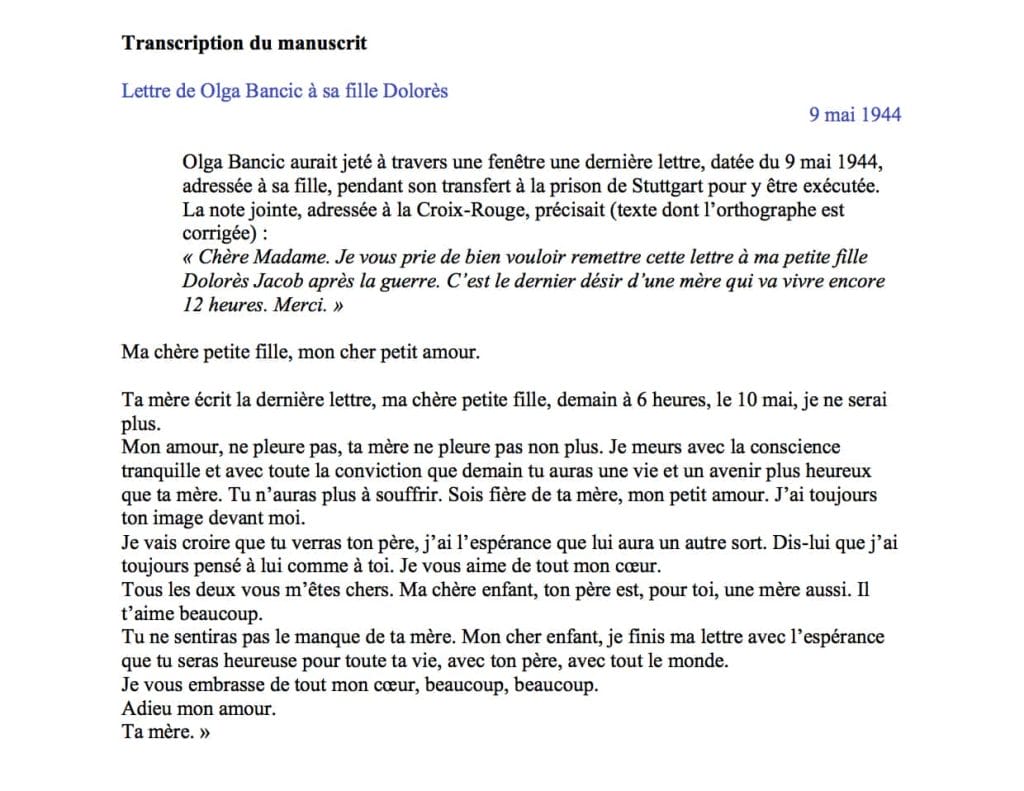
The largest BS units operate in the Paris region and are responsible for the three major surveillance operations that are wreaking havoc on the Jewish section of the M.O.I.
The first roundup began in January 1943 and ended on March 18, 1943. It targeted the organization of young Jewish communists. Fifty-seven young people were arrested and deported to Auschwitz.
The second operation targeted the political wing of the M.O.I., which it dismantled and destroyed. The crackdown began on April 22, 1943, and ended in late June. Seventy-one Resistance fighters were arrested, tortured, executed, or deported, including virtually all members of the Jewish detachment.
Finally, the third surveillance operation focused on the Parisian FTP-M.O.I. It began on July 26, 1943, and ended in November. The official number of arrests was 56 fighters.
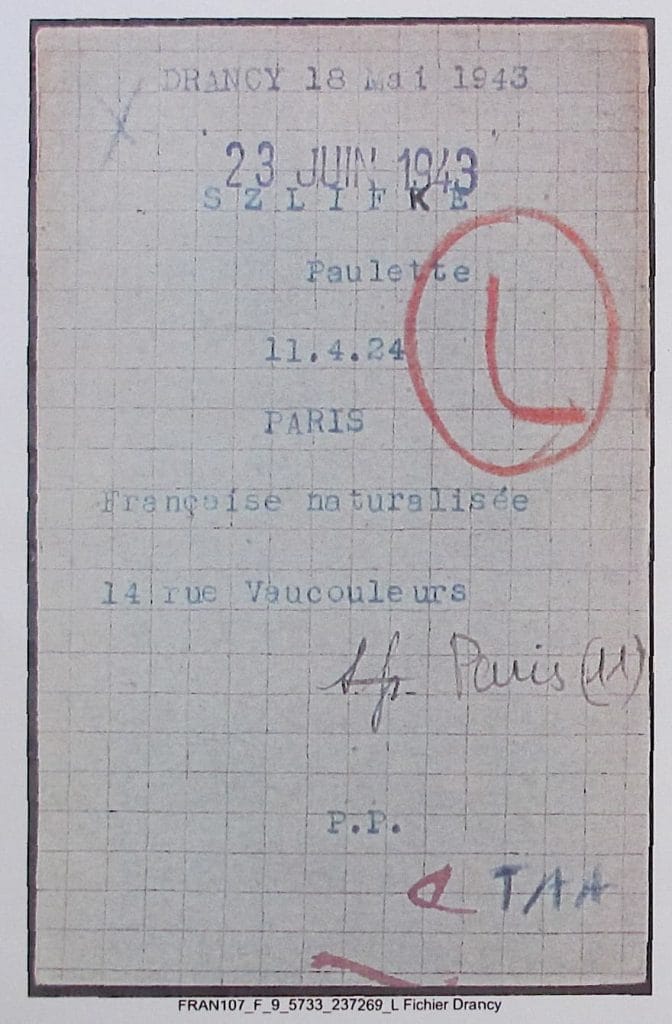
The three major surveillance operations carried out by the “Special Brigades” led to the arrest of 196 Resistance fighters, including 21 women, and to the deadly dismantling of the FTP-M.O.I.
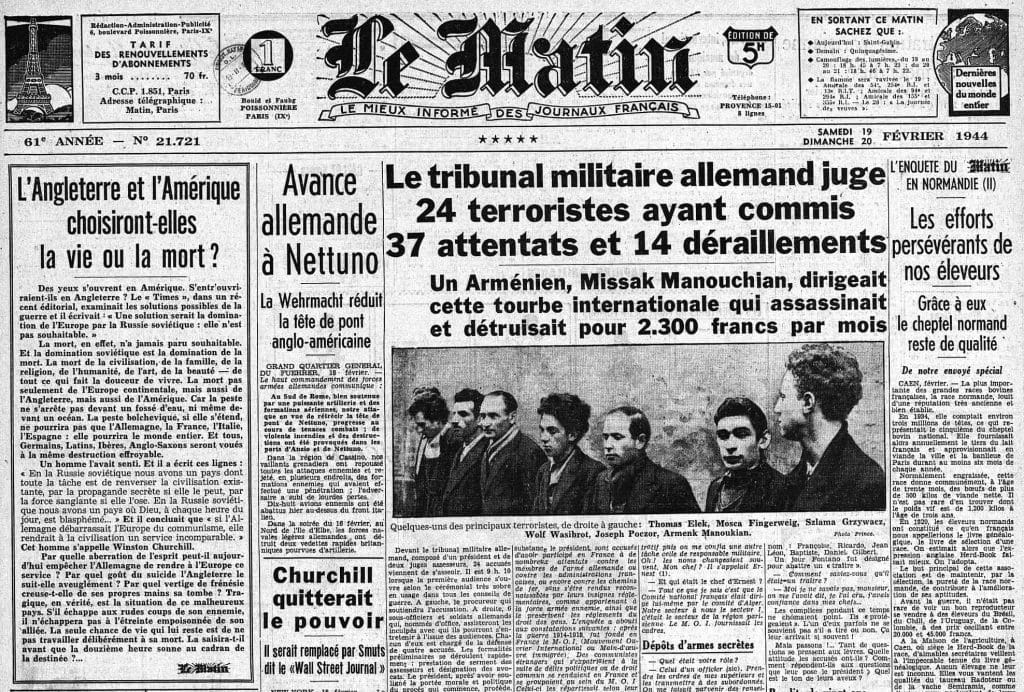
In February 1944, a “red poster” plastered on the walls of Paris portrayed members of the 3rd Filature Resistance group—mostly Jewish immigrants—as murderers.
Missak Manouchian, an Armenian, is considered the leader of the “group.”
The aim of this three-pronged operation was the total and irreversible destruction of the Jewish section of the M.O.I. and of all communist Resistance fighters, whether Jews or not; however, in a leaflet distributed in March 1944, the Union of Jews for Resistance and Mutual Aid (UJRE) reaffirmed its position: despite torture and despite death, to continue the fight alongside the French people.
References:
— Rayski Adam: *L’Affiche Rouge*. Paris City Hall
— Stéphane Courtois, Denis Peschanski, Adam Rayski, 1989, *Le Sang de l’étrange*, Fayard .