Skip to content
Flyout Menu
A visit to the museum
Literature Review
About the Museum
Our achievements
Our film
Our blog
Our database of Resistance fighters from the M.O.I.
Contact
English
Français
(
French
)
A visit to the museum
Literature Review
About the Museum
Our achievements
Our film
Our blog
Our database of Resistance fighters from the M.O.I.
Contact
English
Français
(
French
)
A visit to the museum
Literature Review
About the Museum
Our achievements
Our film
Our blog
Our database of Resistance fighters from the M.O.I.
Contact
English
Français
(
French
)
Search
Home
Photos
Toutes les salles
1.
Before 1934
The Jewish section of the M.O.I.
2.
1934 - 1939
Against Fascism | Outbreak of War
3.
Jan 1940 - Sept 1940
The Occupation | Creation of “Solidarity”
4.
Sept 1940 - June 1941
State Antisemitism | Responses
5.
June - August 1941
Armed resistance
6.
August - Oct 1941
Execution of hostages
7.
Oct - Dec 1941
Persecutions | The Resistance
8.
Jan–Jul 1942
Vel’ d’Hiv Roundup | The FTP-M.O.I.
9.
July 1942 - Feb 1943
Rescue of Jewish Children
10.
August 1942 - May 1943
Stalingrad | Warsaw Ghetto Uprising
11.
1943
Creation of the UJRE
12.
Jan 1943 - Mar 1944
Repression | The Major Surveillance Operations
13.
Apr 1943 - March 1944
Unification of the Resistance
14.
Apr - Sep 1944
Insurrection and Liberation
15.
Oct 1944 - Nov 1945
End of the War | Reconstruction
Voir toutes les salles
Salle 8 - Vel’ d’Hiv Roundup | The FTP-M.O.I.
Jan–Jul 42
8. The Vel’d’Hiv round-up | The FTP-M.O.I.
Photos
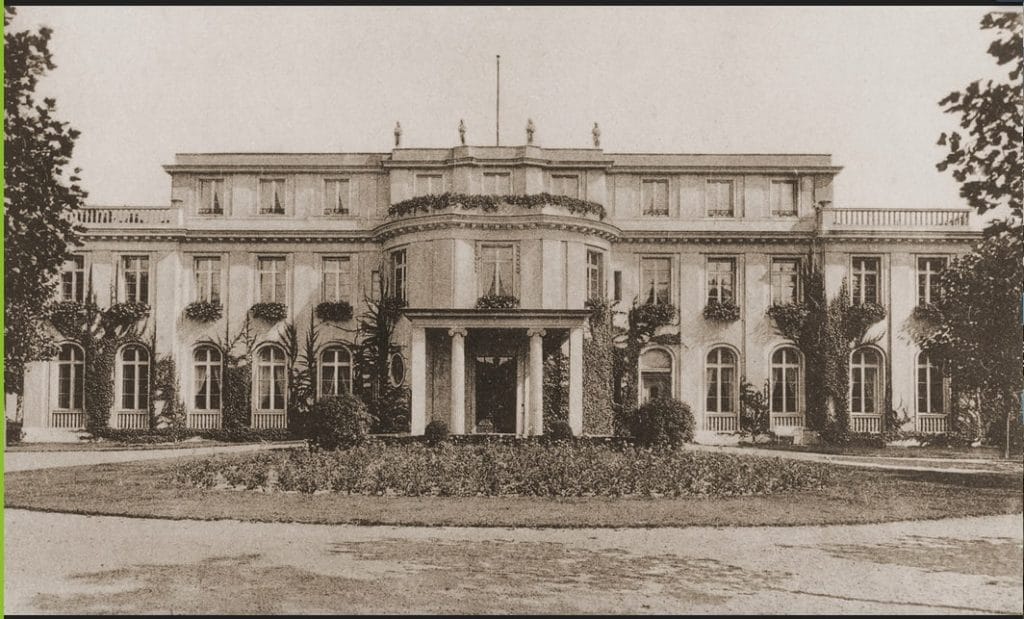
On January 20, 1942, at the Marlier Villa (in the Berlin-Wannsee district), Nazi leaders decided on the organization of the “Final Solution to the Jewish Question.”
Documents
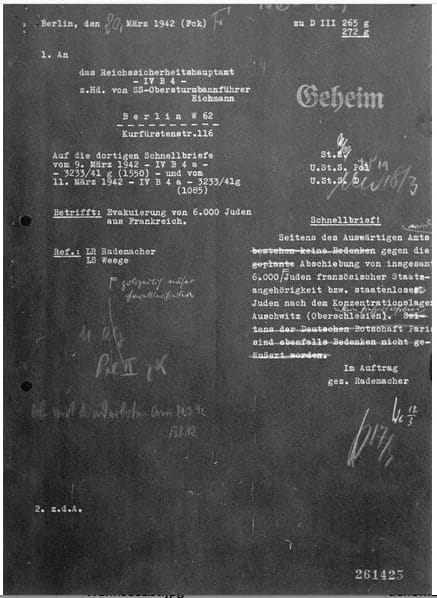
Confidential memo dated March 20, 1942, from F. Rademacher to A. Eichmann regarding the deportation of 6,000 French Jews to Auschwitz, in accordance with the decisions of the Wannsee Conference.
Notes
Final Solution
Documents
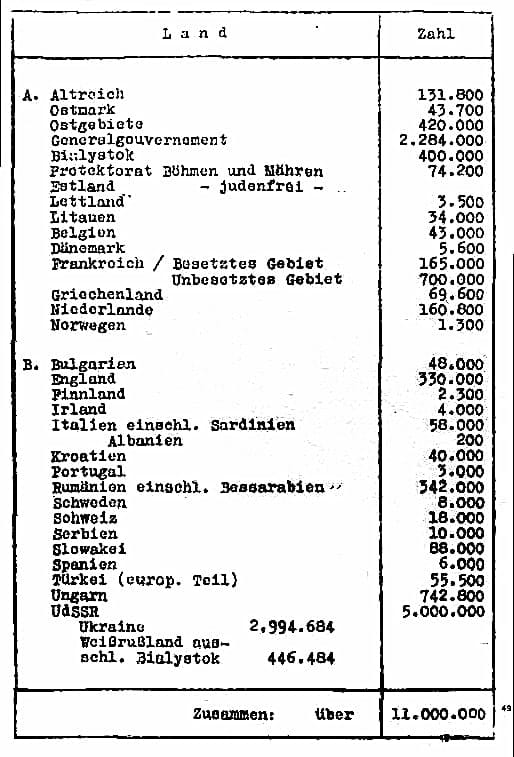
Census of the Jewish population in Europe (in 1942) according to the “Wannsee Protocol.”
Photos
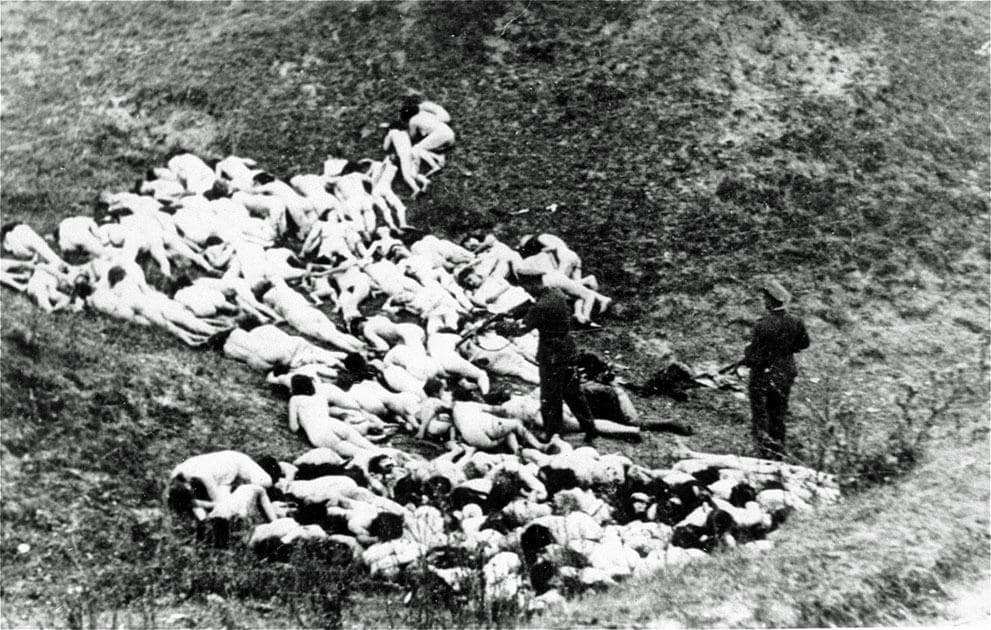
Jews and children massacred by an Einsatzgruppe (mobile extermination unit) in 1942 (Ukraine).
Notes
Genocide
Documents
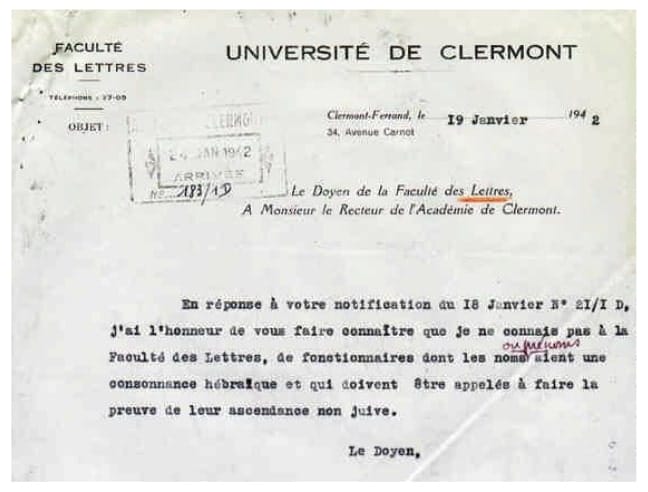
Letter from the Dean to the Rector of the Clermont-Ferrand Academy assuring him that the Faculty of Letters does not employ any Jews as civil servants (January 19, 1942).
Documents
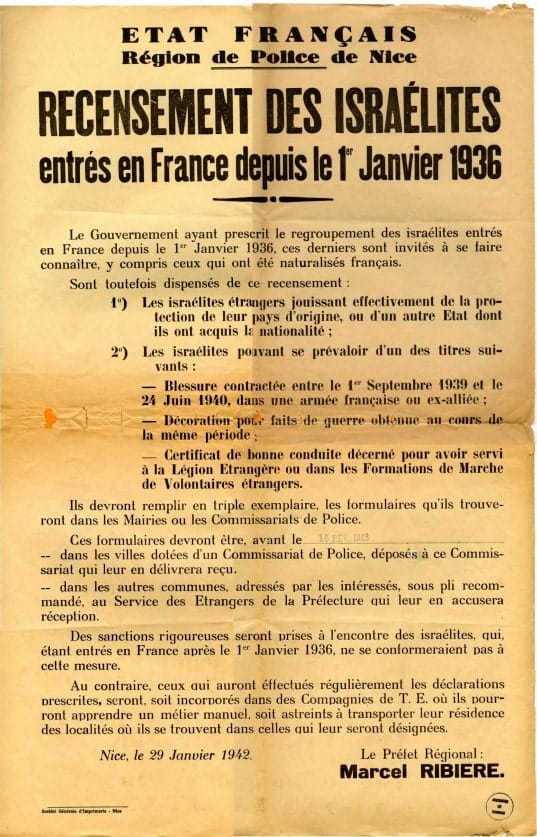
The census of Jews who had entered France since January 1, 1936, in the Nice region (January 29, 1942).
Postcards
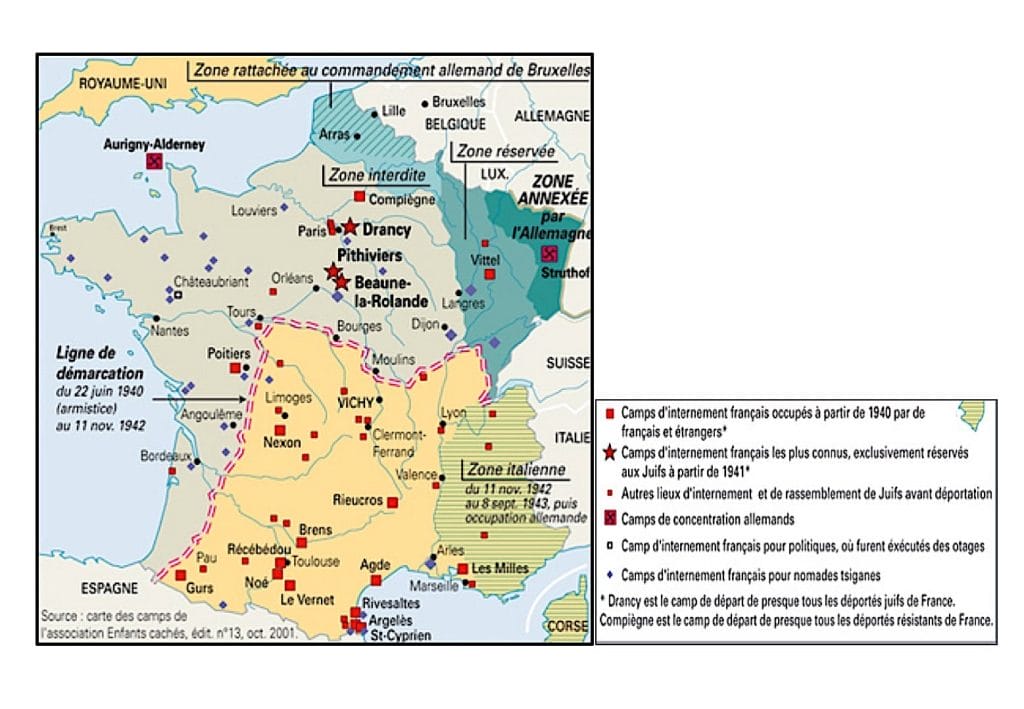
Internment Camps in France.
Documents
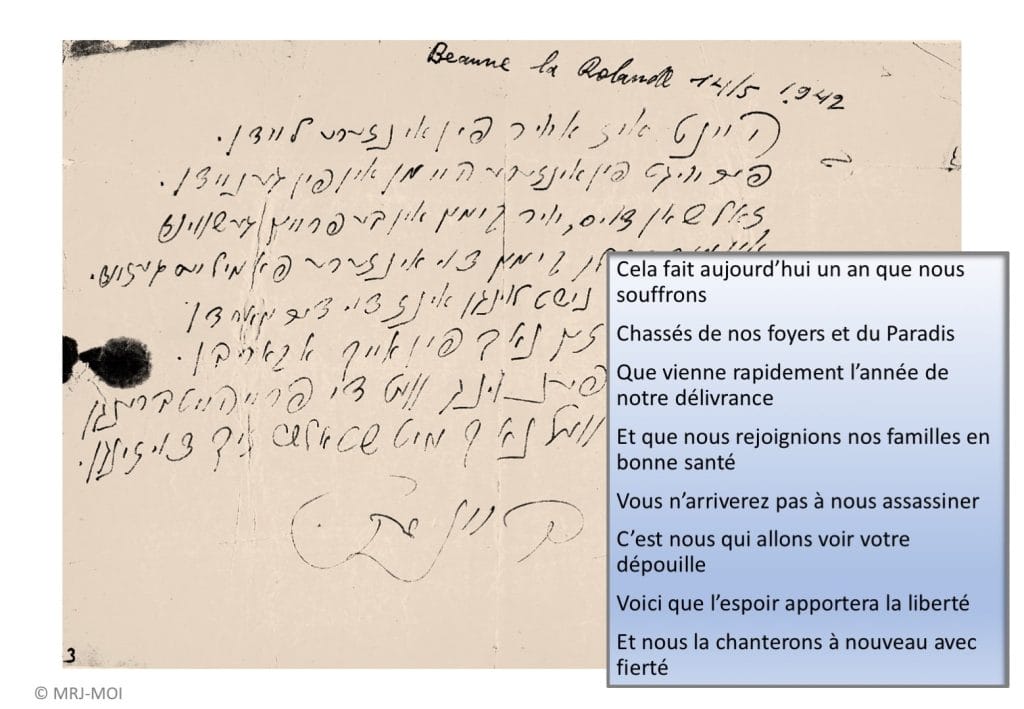
A handwritten poem in Yiddish written in Beaune-la-Rolande on May 14, 1942.
Photos
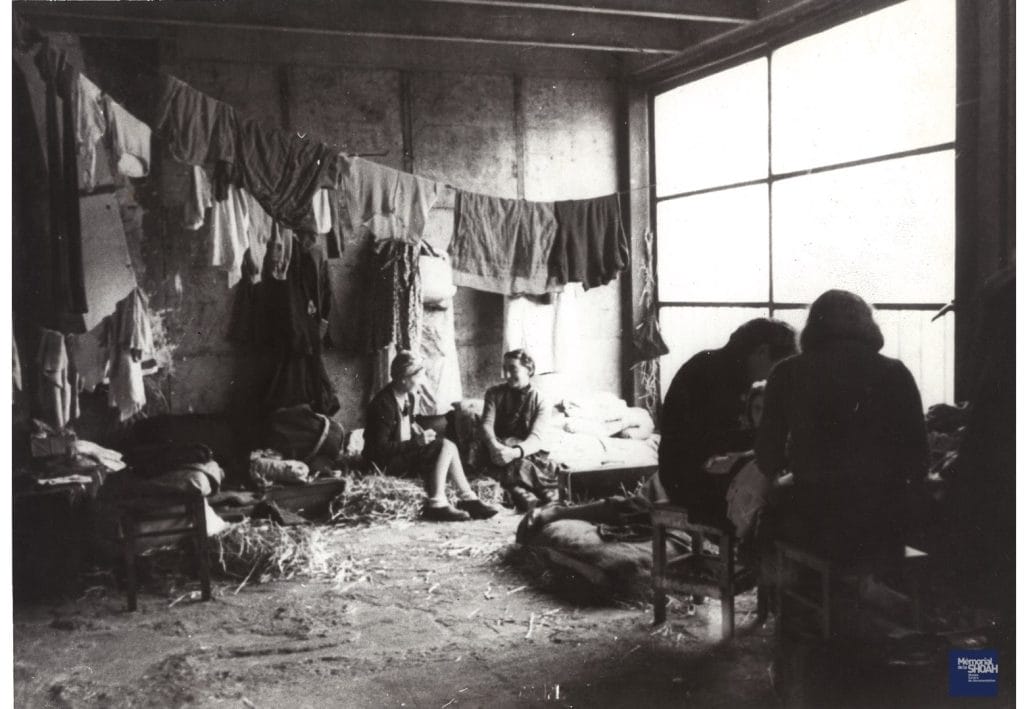
Jews interned at the Drancy camp (1942).
Photos
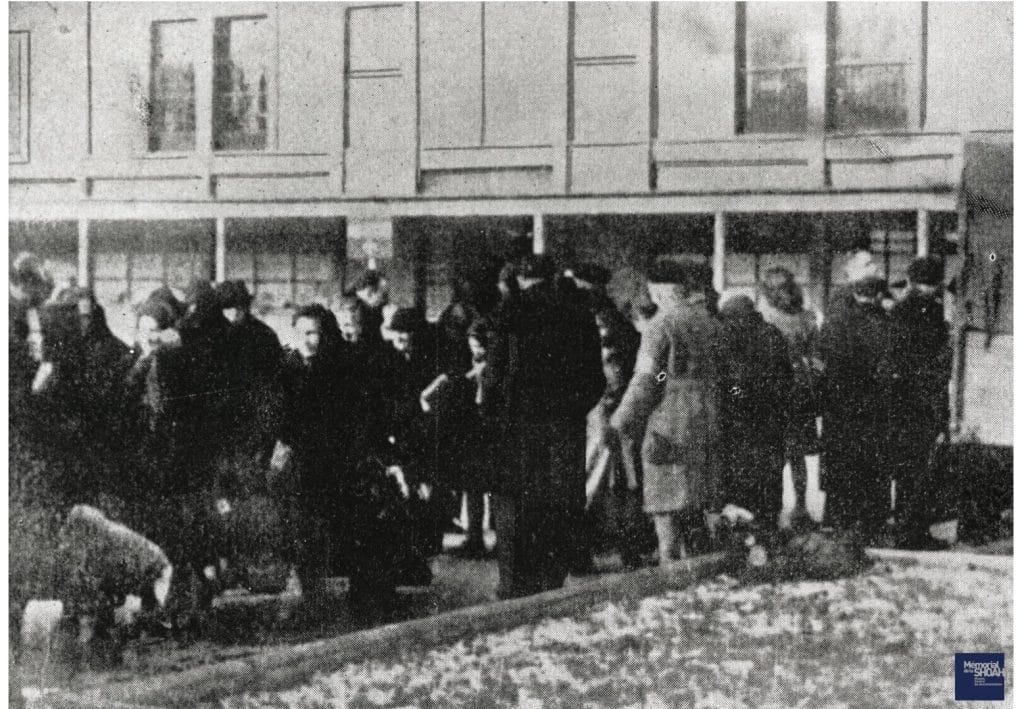
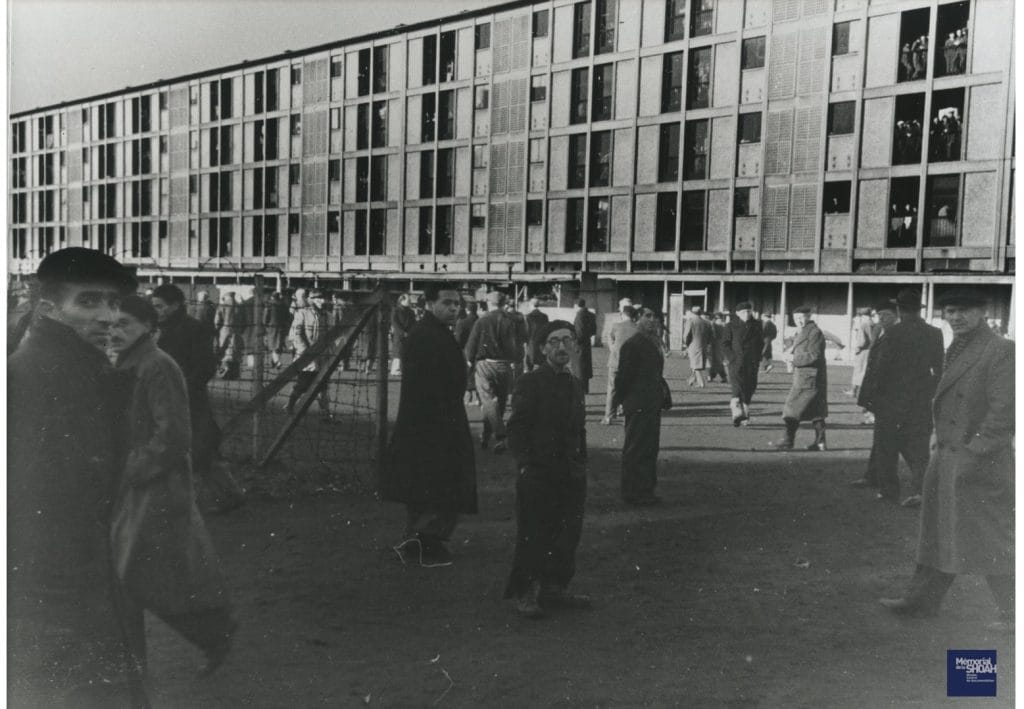
Jews of all ages gathered in the courtyard of the Drancy camp.
Photos
Jewish prisoners in Drancy. In 1942, this camp became a transit camp for Jews prior to their deportation.
Documents
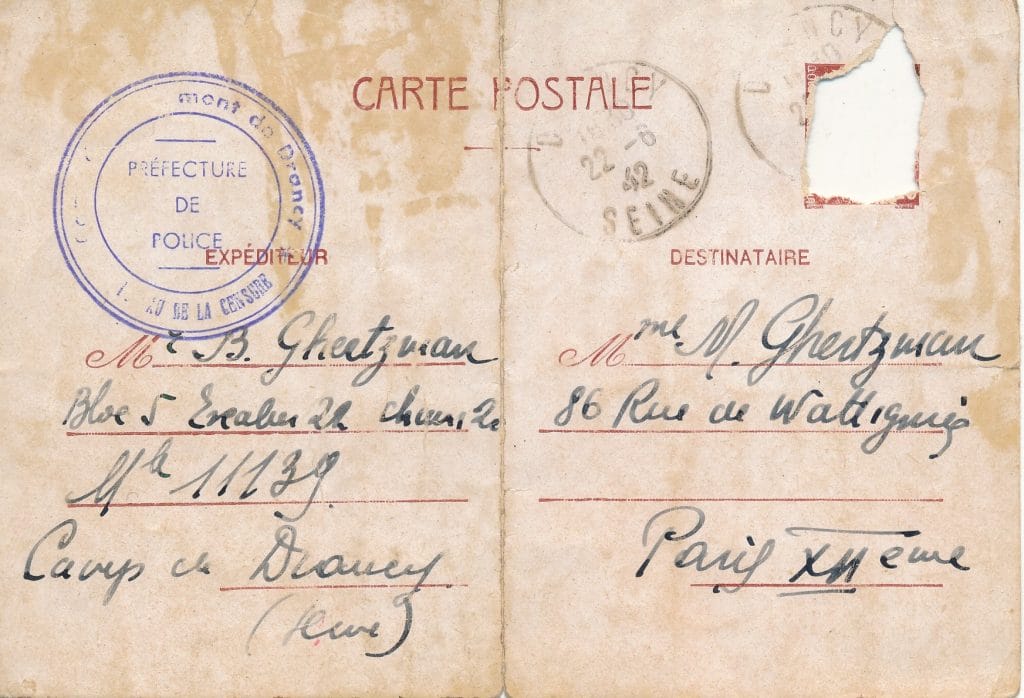
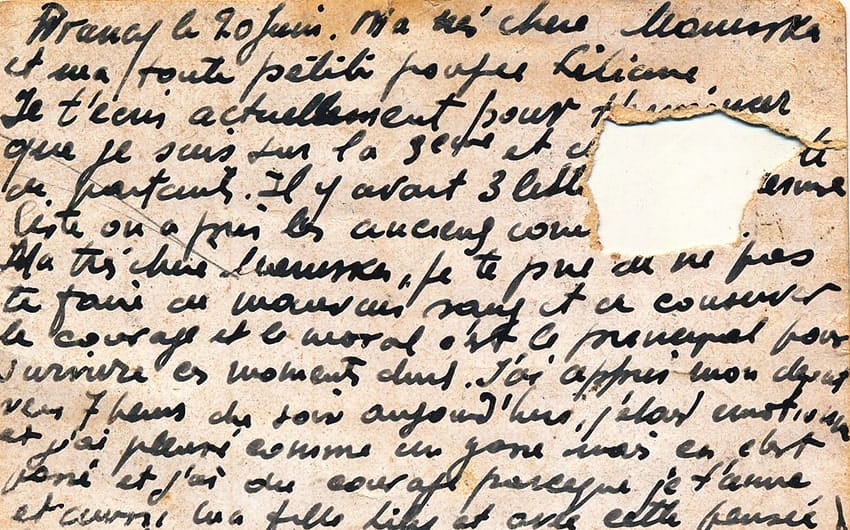
A postcard written by an inmate of the Drancy camp on June 20, 1942, and mailed to his wife on the 22nd.
Documents
Back of the postcard: The prisoner announces that he will be deported that same evening at 7 p.m. He will not return.
Photos
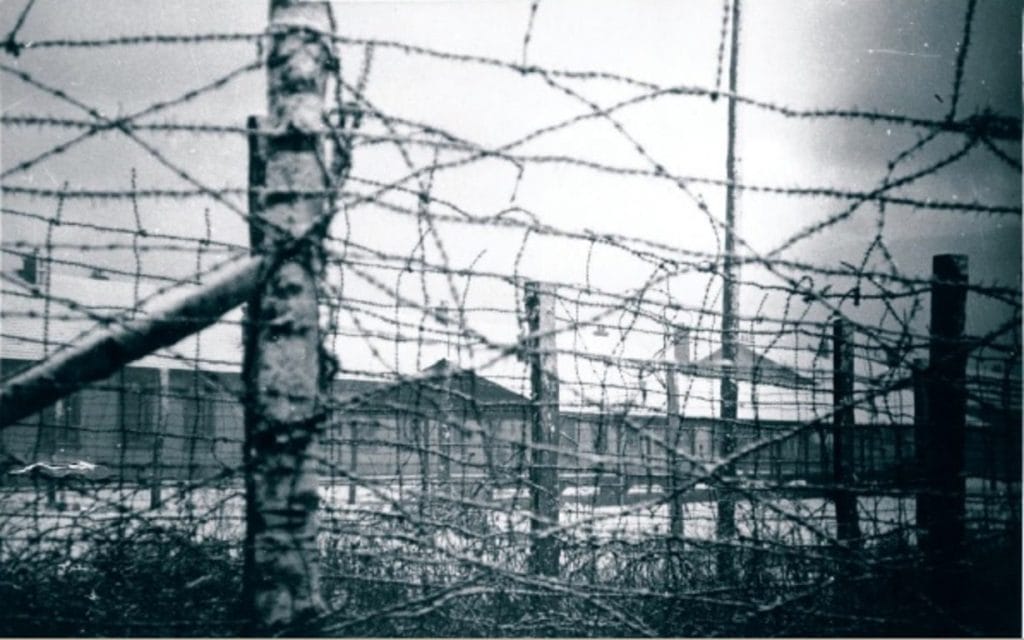
The Royallieu camp (Frontstalag 122) in Compiègne, winter 1941–1942, the only internment camp in France run by the SS. The first transport to Auschwitz departed from there on March 27, 1942.
Documents
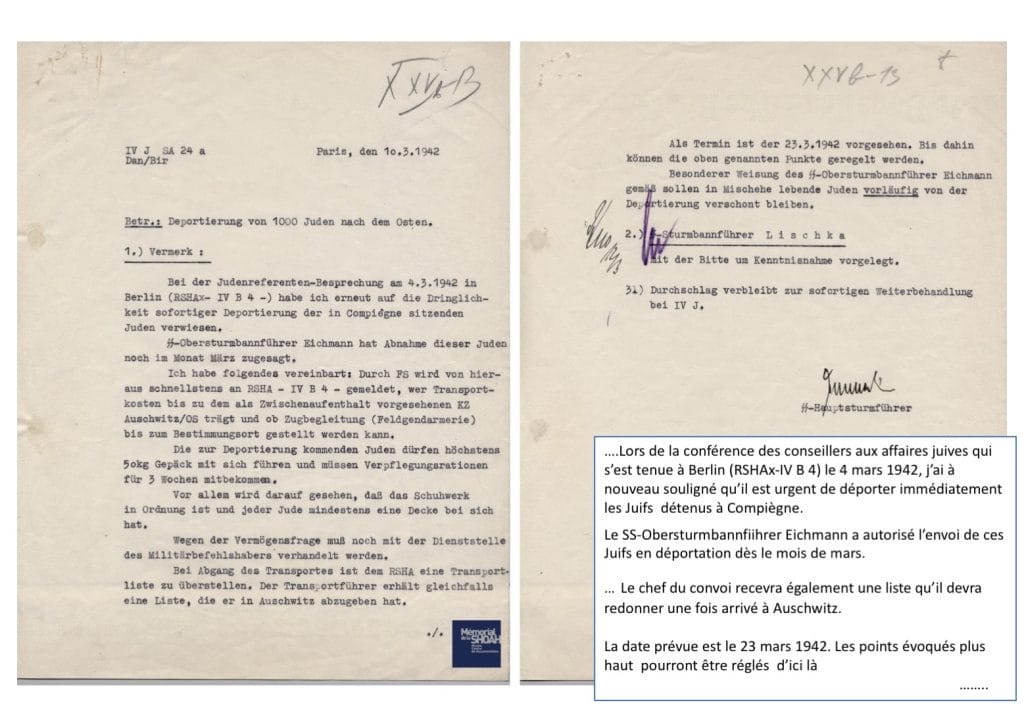
Memo dated March 10, 1942, from T. Dannecker (SS captain in charge of “the Jewish question”), regarding the deportation to Auschwitz of Jews interned in Compiègne: instructions concerning the transport.
Photos
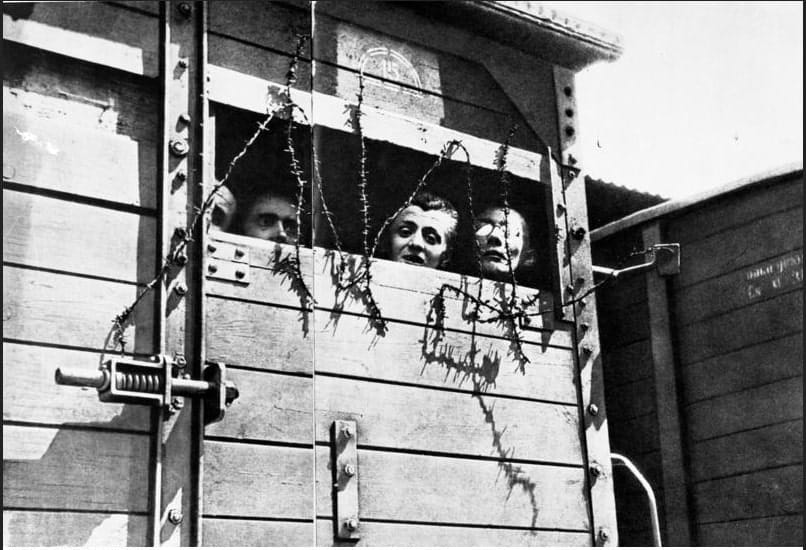
Deported by train to a concentration camp.
Postcards
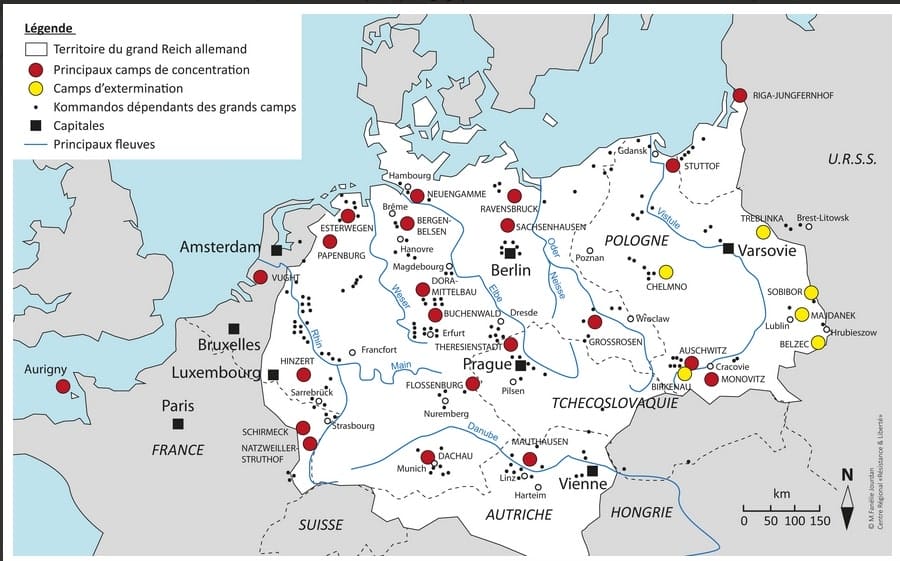
The Nazi concentration camp system in Europe (concentration camps and extermination camps).
Notes
Convoys of deportees
Photos
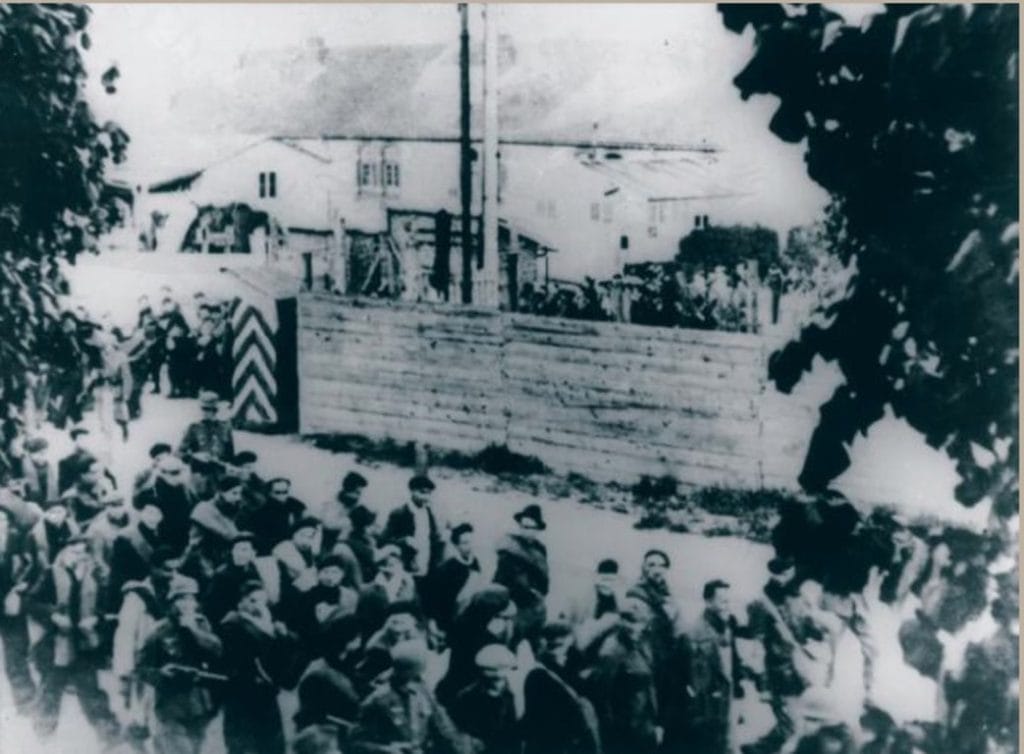
SS soldiers escorting prisoners on their way from the Royallieu camp to the Compiègne train station for their deportation to the East.
Videos
Roger Trugnan (Trugman) describes the recruitment of young people from the Jewish section into the FTP-MOI.
Documents
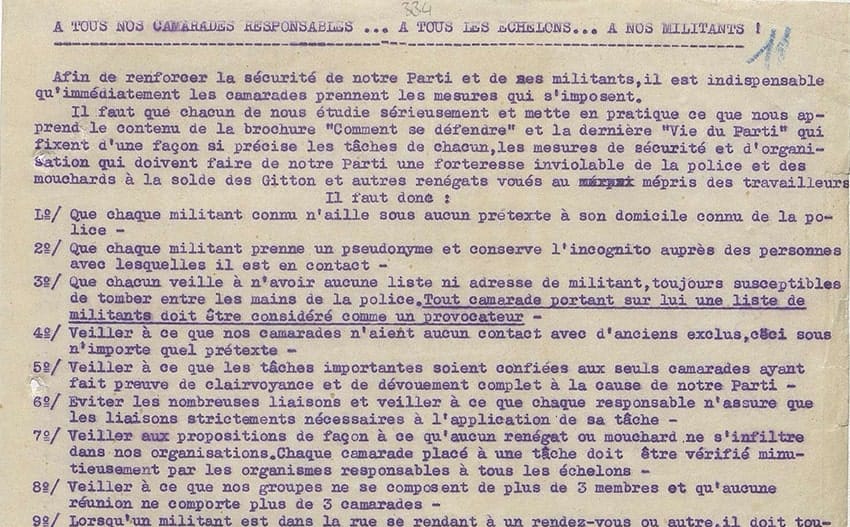
Summary of Safety Guidelines for Members of the Underground Communist Party (1942).
Documents
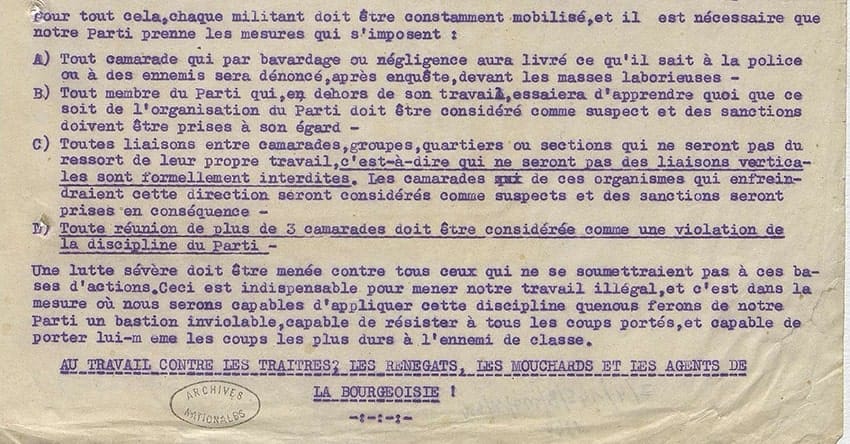
Second page of the summary of safety guidelines for members of the underground Communist Party (1942).
Page
1
Page
2
Page
3
Page
4