The “Final Solution to the Jewish Question” is the term used by the Nazis to refer to the policy of extermination carried out against the Jews during World War II.
Beginning in 1939, the Nazis confined the Jews of Poland to ghettos. The Final Solution was conceived in the spring of 1941 by Hitler, along with Göring, Himmler, and Heydrich, senior Nazi officials.
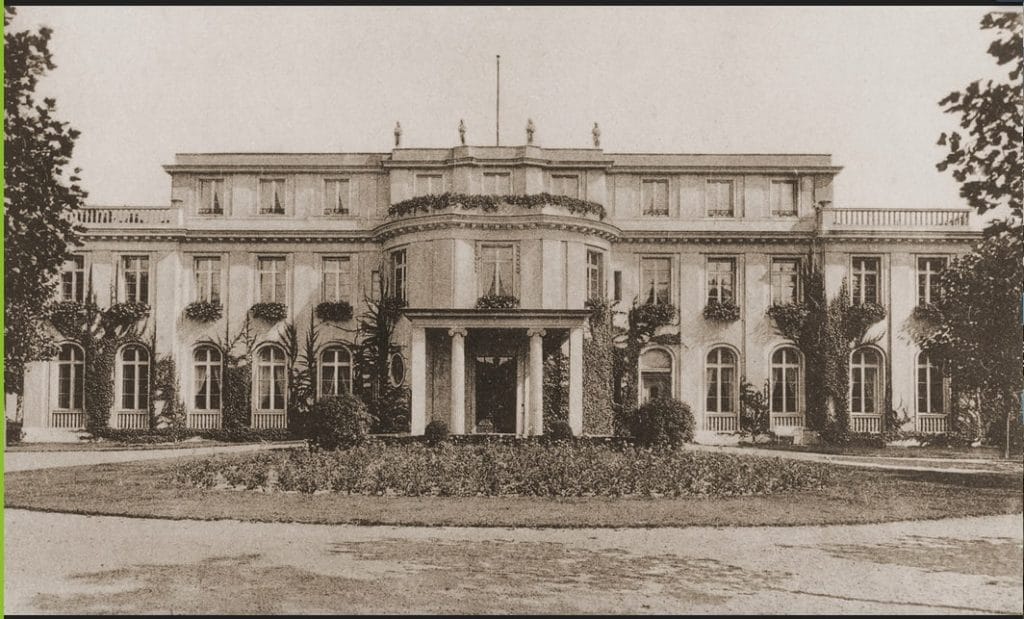
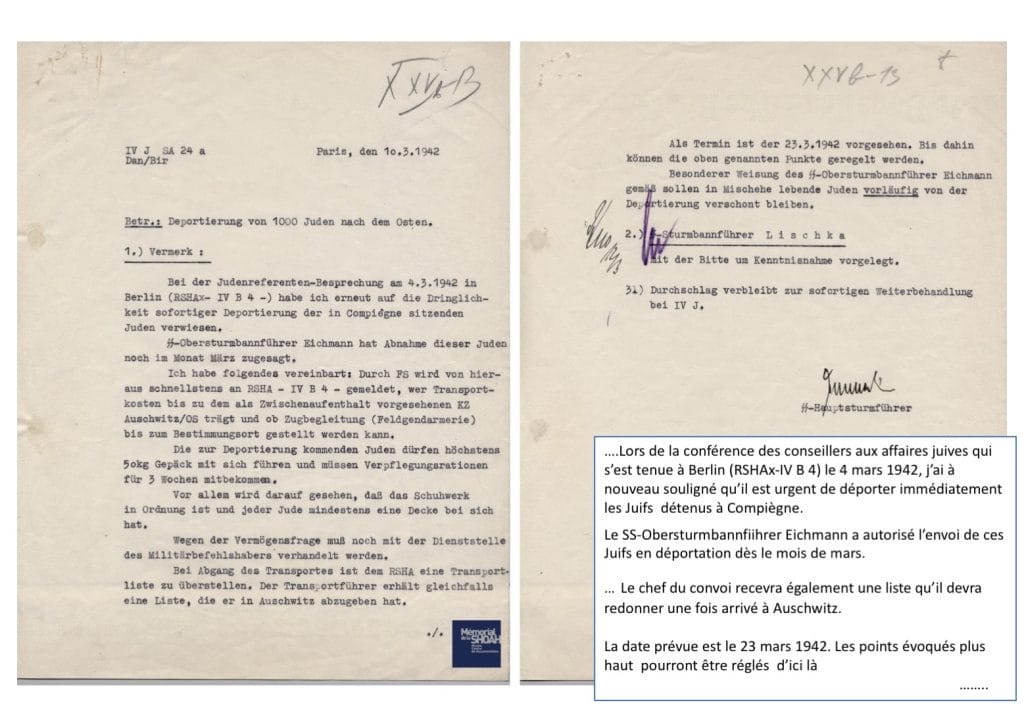
The Einsatzgruppen, or mobile strike forces, were responsible for the mass killings (or “Shoah by bullets”) in Eastern Europe, the first stage in the physical extermination of the Jews. In January 1942, at the Wannsee Conference, Heydrich brought together 14 representatives from various government agencies to implement “the Final Solution to the Jewish Question.”
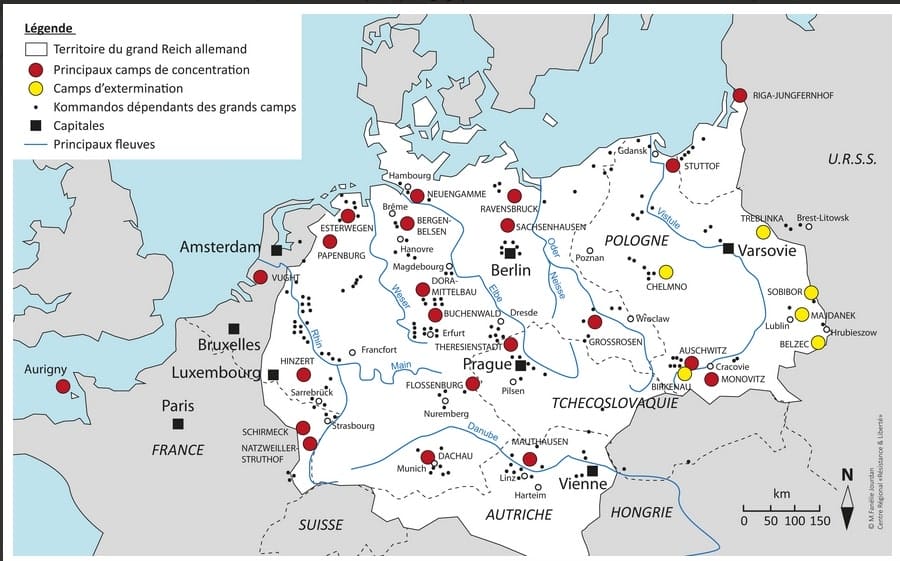
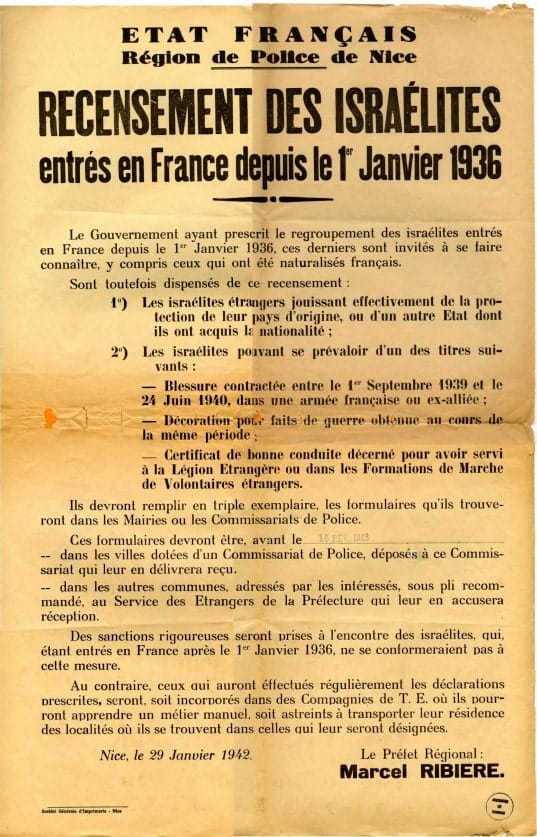
The term has been officially adopted. It refers to the planned extermination of all Jews across Europe. The plan also includes Jews from North Africa and the eastern coast of the Mediterranean.
This conference established Heydrich as the person in charge of the process of exterminating the Jews.
The use of poison gas in special trucks or in extermination camps, along with the construction of crematoria, accelerated the killing process.
“Shoah,” “Holocaust,” “destruction,” and “extermination” are terms commonly used as synonyms for the “Final Solution to the Jewish Question,” which resulted in 5,700,000 deaths.
References:
Bruttmann Tal, Christophe Tarricone, 2020, *The 100 Words of the Shoah*, Que Sais-je? PUF (Thematic Fact Sheets from the Shoah Memorial).