Skip to content
Flyout Menu
A visit to the museum
Documentary research
About the Museum
Our achievements
Our film
Our blog
Our database of Resistance fighters from the M.O.I.
Contact
English
Français
(
French
)
A visit to the museum
Documentary research
About the Museum
Our achievements
Our film
Our blog
Our database of Resistance fighters from the M.O.I.
Contact
English
Français
(
French
)
A visit to the museum
Documentary research
About the Museum
Our achievements
Our film
Our blog
Our database of Resistance fighters from the M.O.I.
Contact
English
Français
(
French
)
Search
Home
Photos
All the rooms
1.
Before 1934
The Jewish Section of the M.O.I.
2.
1934 - 1939
Against Fascism | Beginning of the War
3.
Jan 1940 - Sept 1940
The Occupation | Creation of “Solidarity”
4.
Sept 1940 - June 1941
State Antisemitism | Responses
5.
June - August 1941
Armed resistance
6.
August - Oct 1941
Execution of hostages
7.
Oct - Dec 1941
Persecutions | The Resistance
8.
Jan–Jul 1942
Vel’ d’Hiv Roundup | The FTP-M.O.I.
9.
July 1942 - Feb 1943
Rescue of Jewish Children
10.
August 1942 - May 1943
Stalingrad | Warsaw Ghetto Uprising
11.
1943
Creation of the UJRE
12.
Jan 1943 - Mar 1944
Repression | The Major Surveillance Operations
13.
Apr 1943 - March 1944
Unification of the Resistance
14.
Apr - Sep 1944
Insurrection and Liberation
15.
Oct 1944 - Nov 1945
End of the War | Reconstruction
See all the museum's galeries
GALLERY 15 - Fin de la guerre | Reconstruction
oct 44 - nov 45
15. End of the war | Reconstruction
Photos
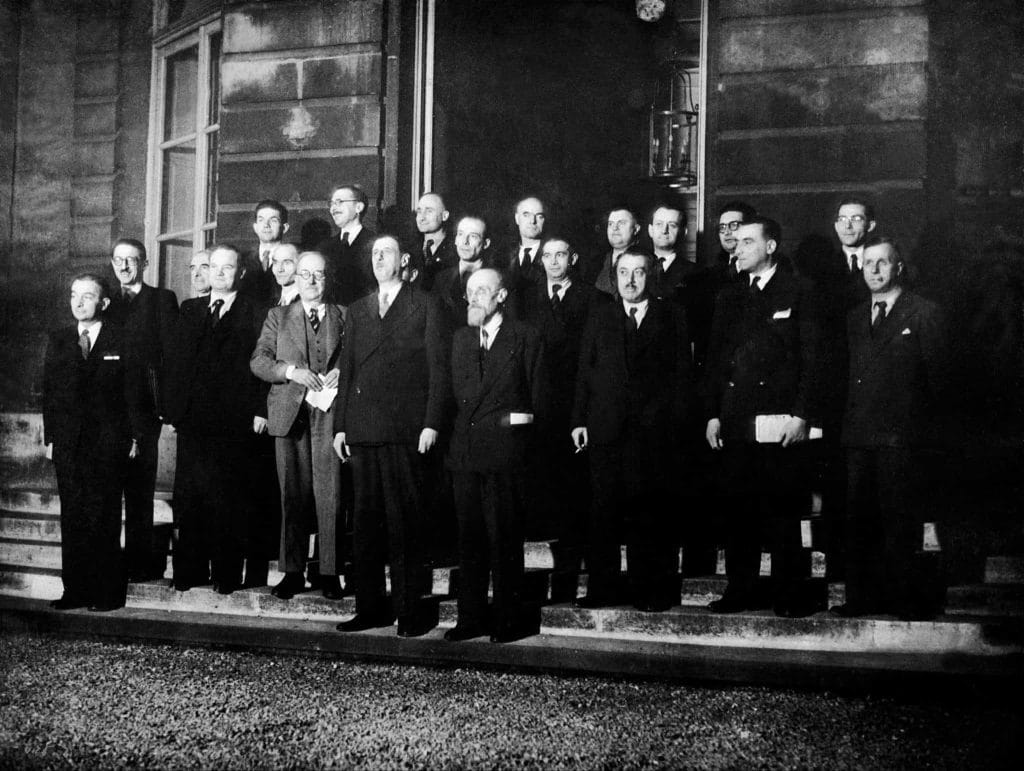
General de Gaulle’s second government included five Communist ministers (November 13, 1945).
Postcards
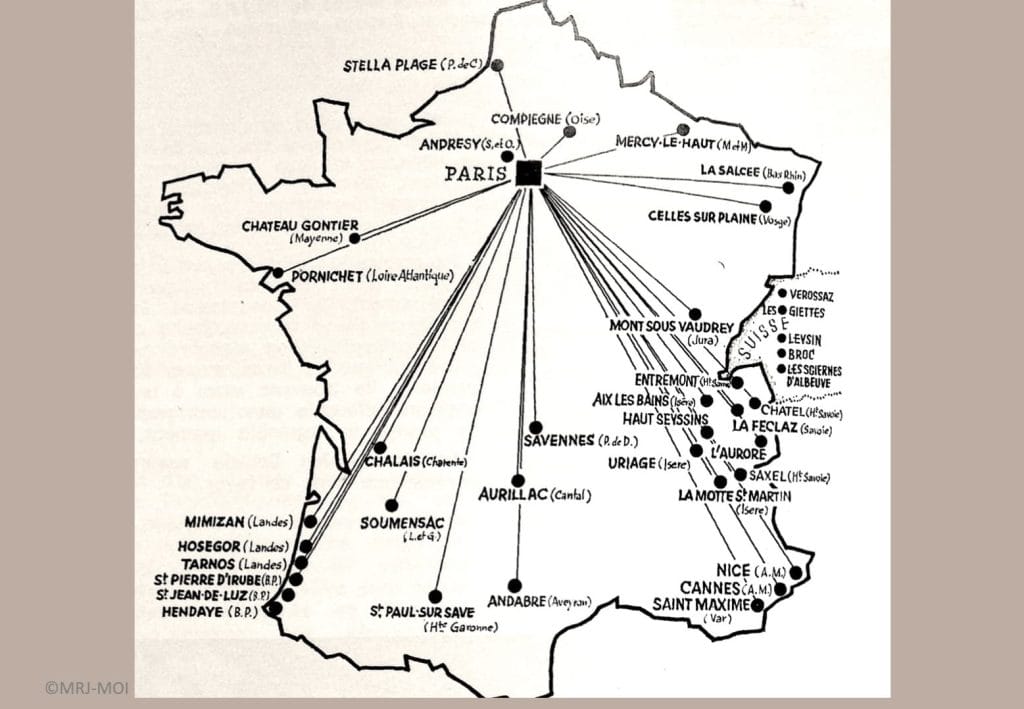
The homes run by the Commission Centrale de l’Enfance (CCE) for the children of those who were executed and deported.
Newspapers
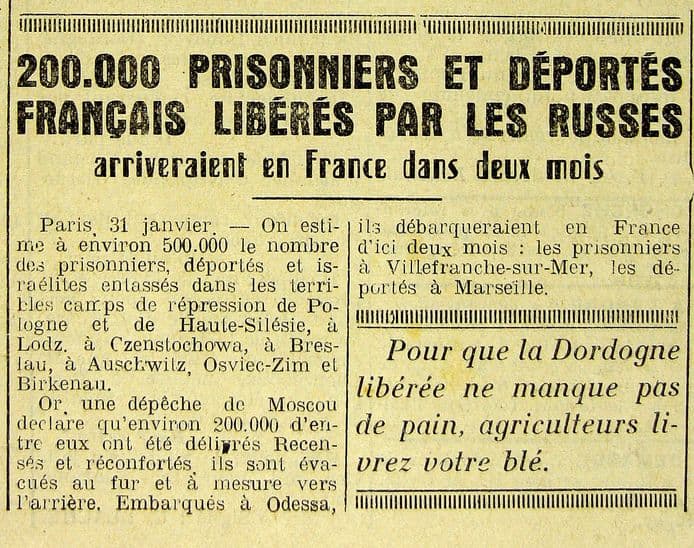
The January 31, 1945, issue
of *La Dordogne Libre*
reported the return of 200,000 prisoners and deportees who had been liberated by the Soviets.
Photos
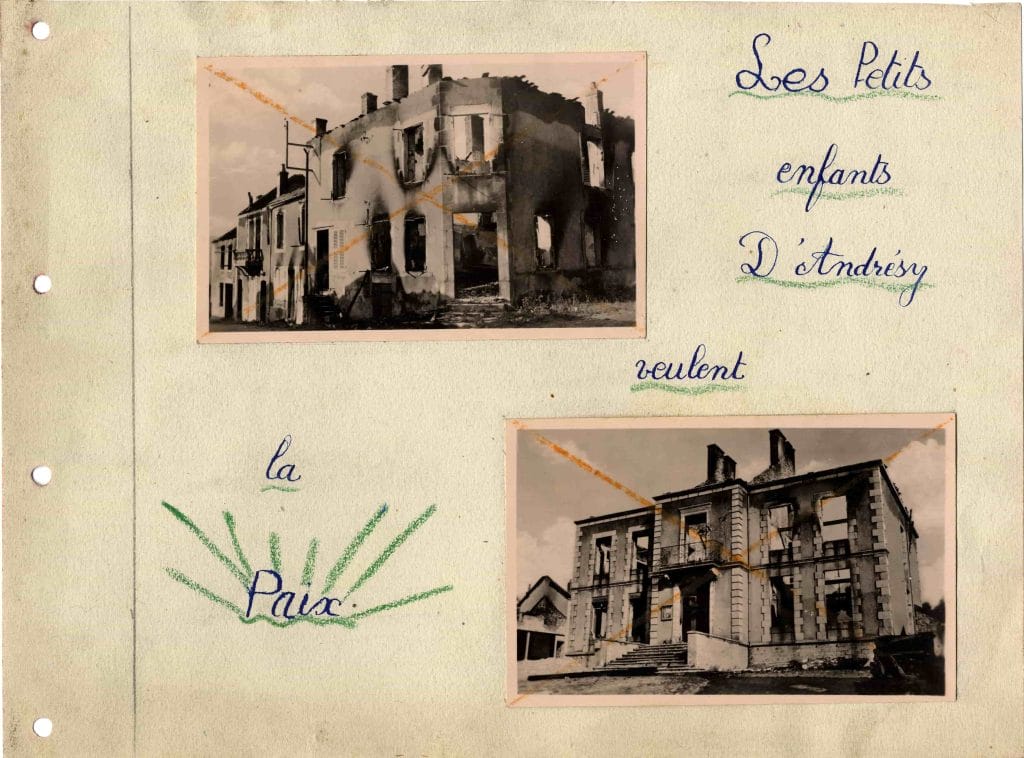
The Manoir de Denouval in Andrésy, acquired by the CCE on Dec. 28, 1945, took in Jewish orphans who had survived the deportations. Between 1945 and 1949, nearly 200 children aged 5 to 13 stayed at the manor.
Photos
A collage created by the Jewish orphans living at the Maison d’Andrésy.
Photos
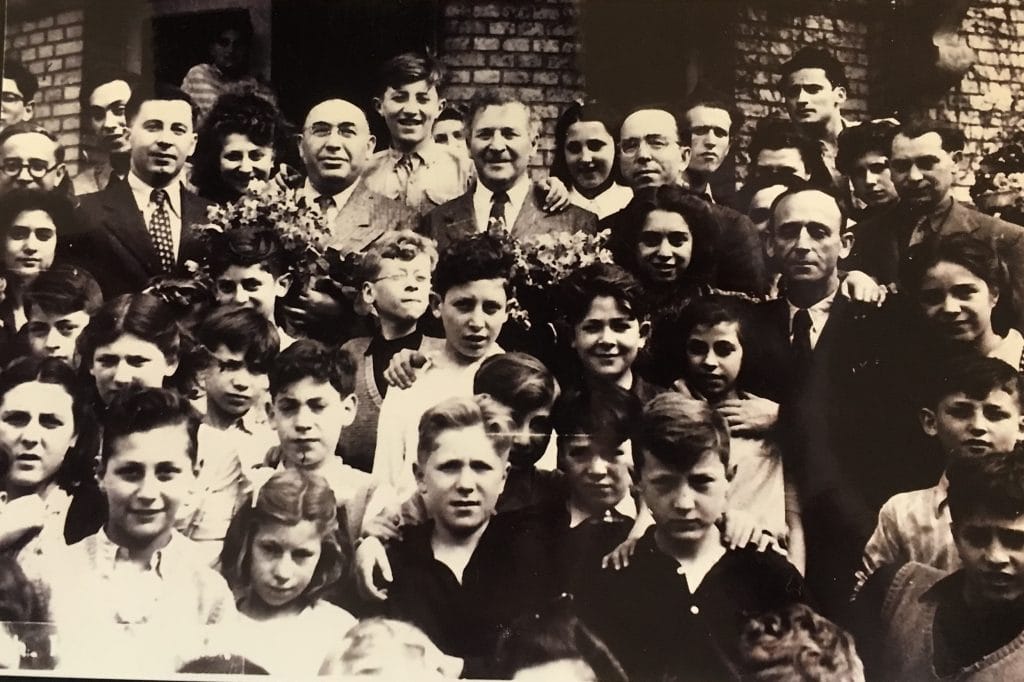
The painter Marc Chagall (center) at the Denouval manor in Andrésy, in 1946.
Photos
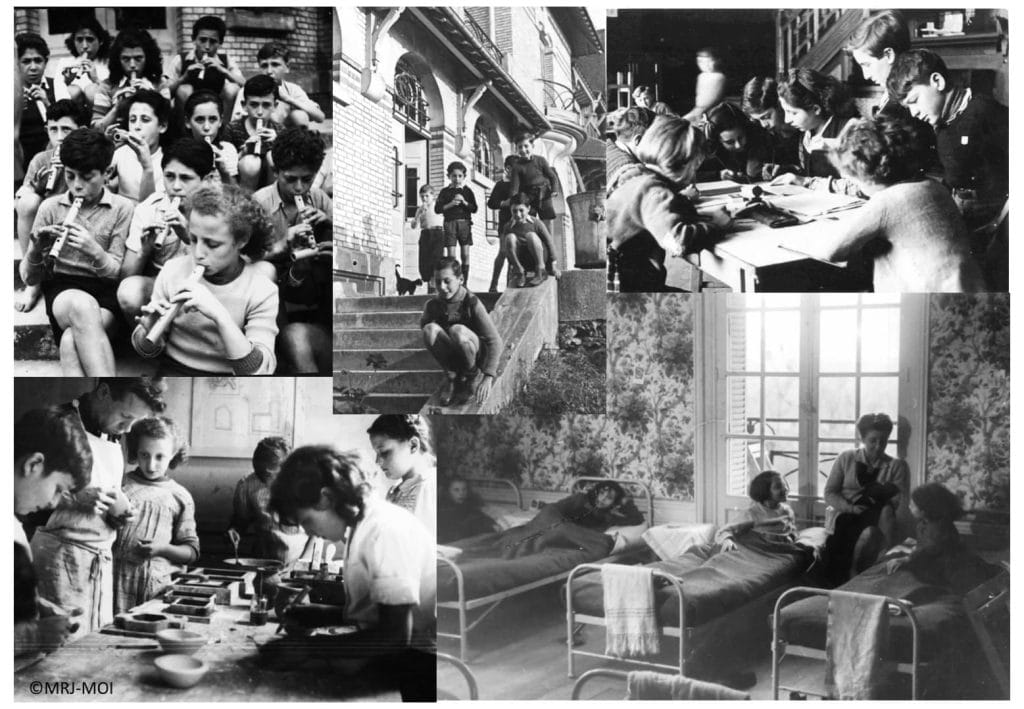
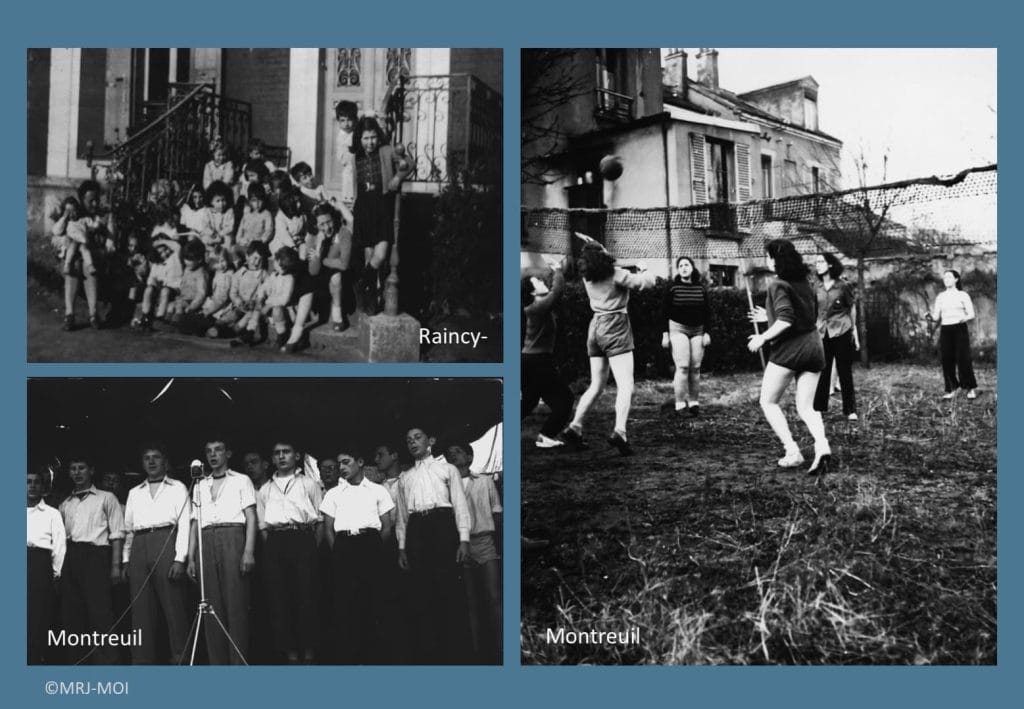
Scenes from the Commission Centrale de l’Enfance (CCE) shelters for Jewish orphans in Le Raincy and Montreuil.
Photos
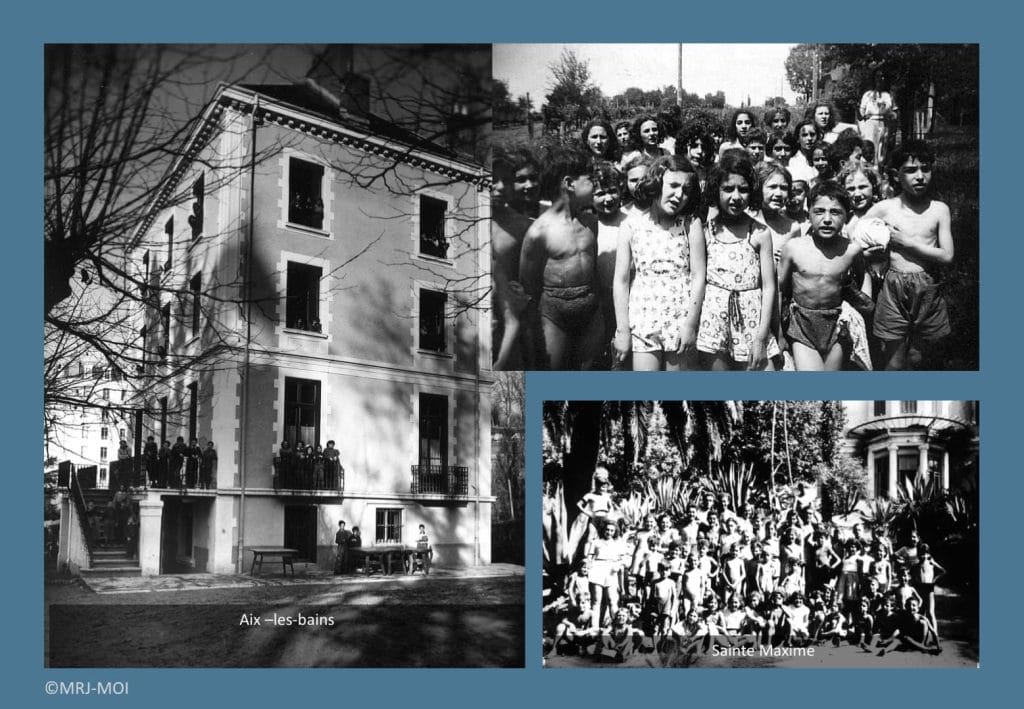
Scenes from the shelters run by the Commission Centrale de l’Enfance for Jewish orphans in Aix-les-Bains and Sainte-Maxime.
Photos
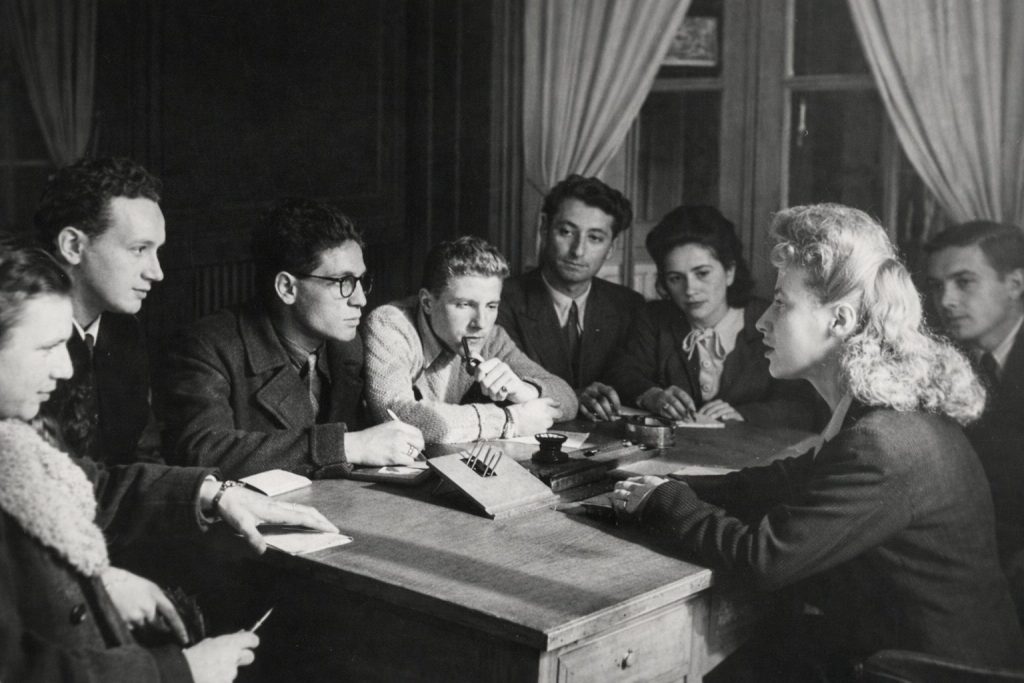
A meeting at the headquarters of the UJJ, affiliated with the M.O.I., on Boulevard des Belges in the Brotteaux neighborhood of Lyon, fall 1944.
Photos
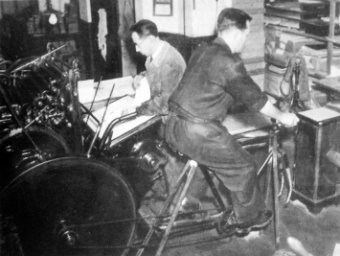
The clandestine printing press of the Francs Tireurs and Partisans Français (FTP) in the Lot
Notes
Statistical Overview of FTP-MOI Activities
Notes
U.S. Trusteeship
Photos
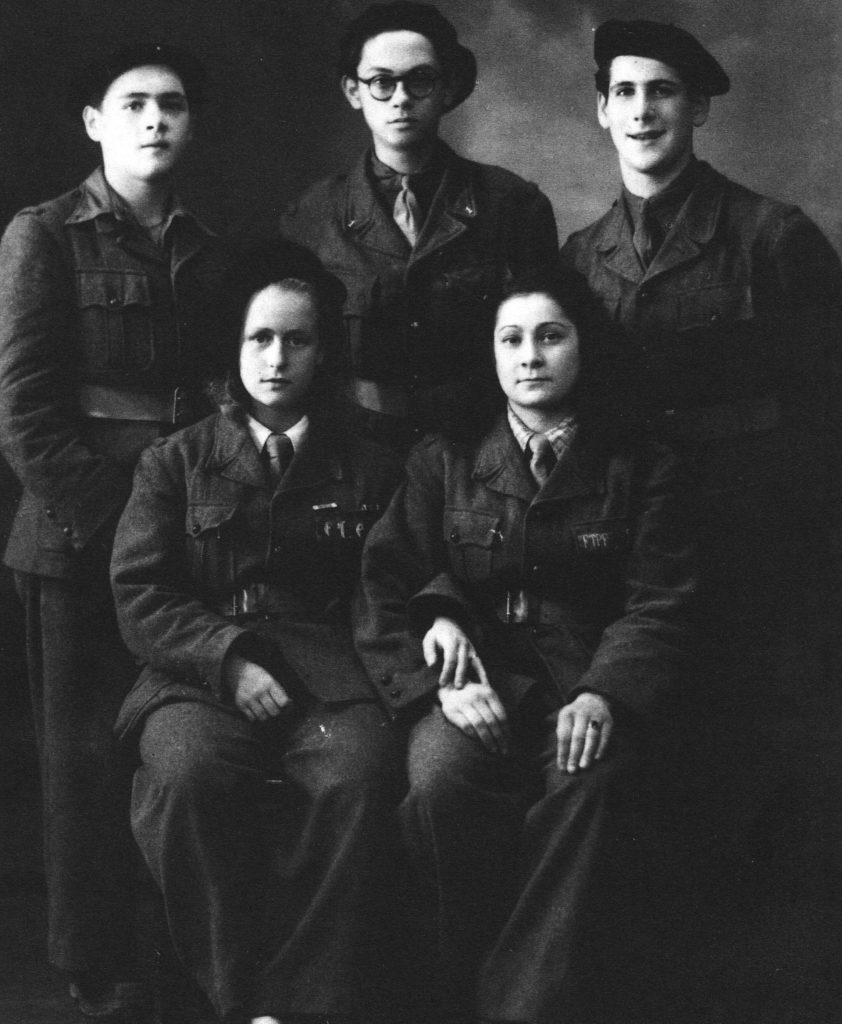
UJJ youth enlisted in the 1st Rhône Regiment. Sept. 1944
Photos
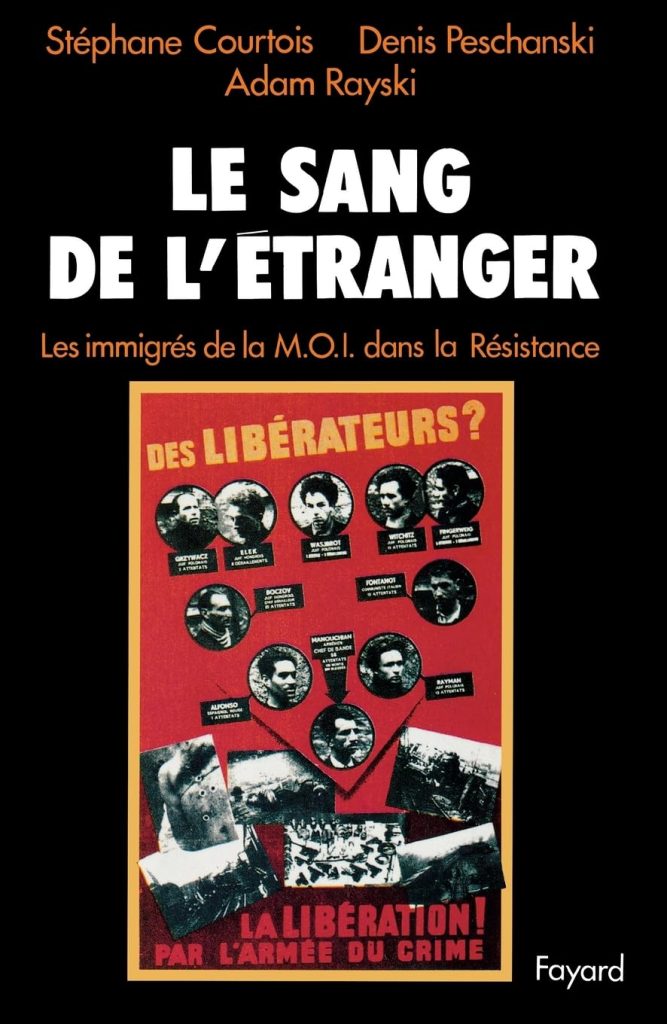
Cover of the book “The Stranger’s Blood.”
Videos
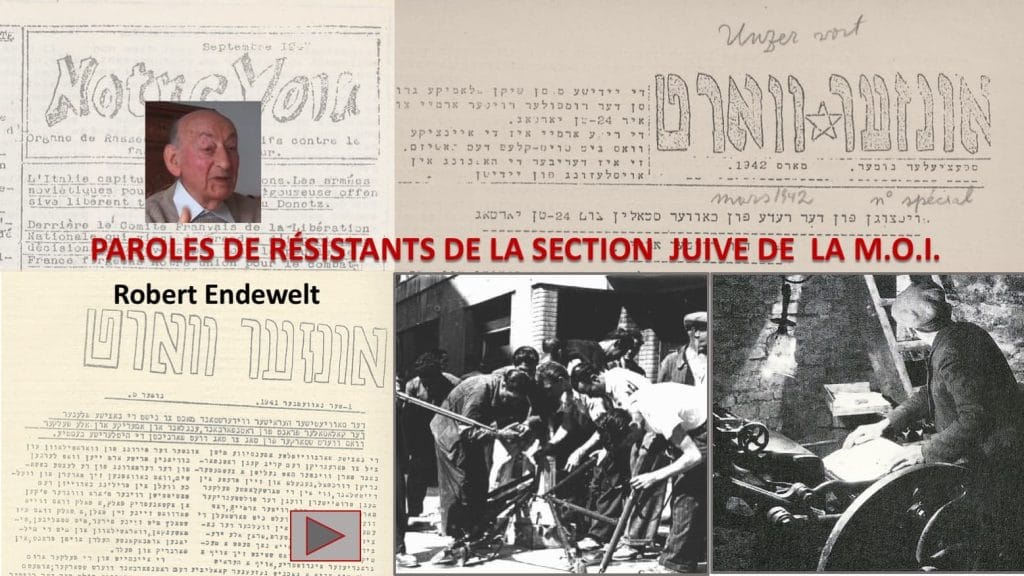
Robert Endewelt (former head of the UJJ in Paris) discusses the importance of preserving history and defines the Resistance as the actions taken by people in the face of a situation deemed irreversible.
Notes
National Narrative
Photos
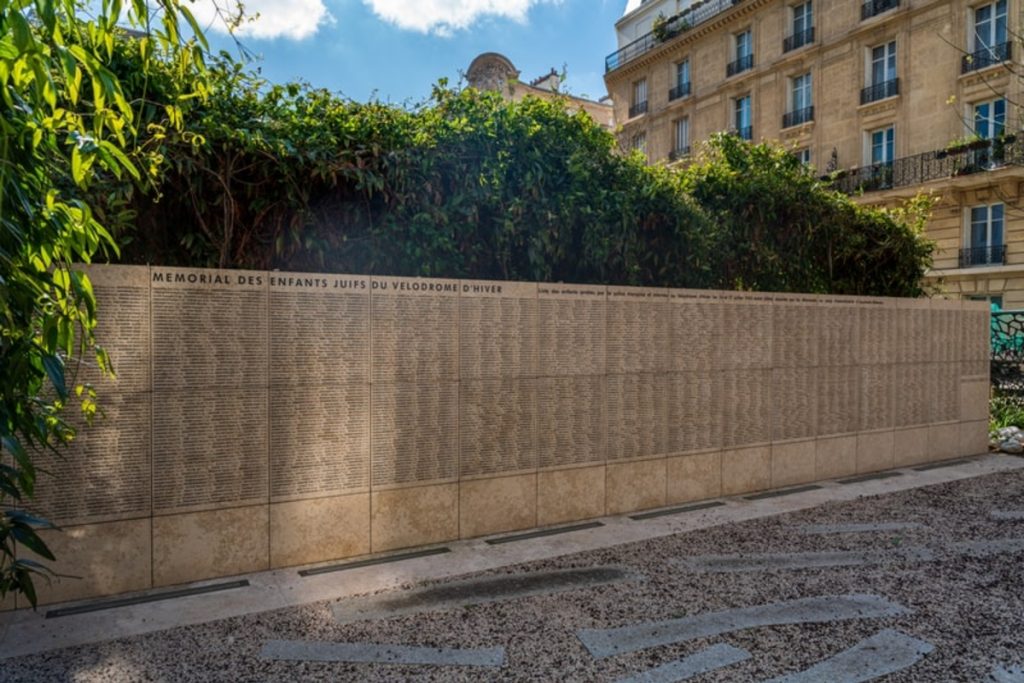
Memorial to the Jewish children herded into the Vélodrome d’Hiver in July 1942 and exterminated at Auschwitz. Paris, 15th arrondissement.
Photos
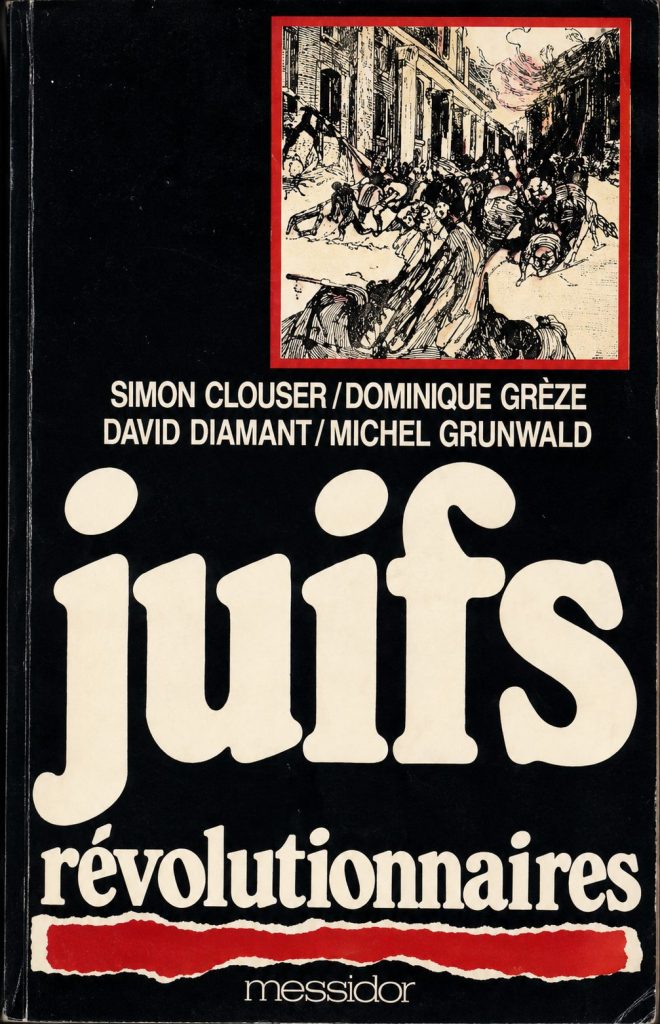
Book cover: Revolutionary Jews
Photos
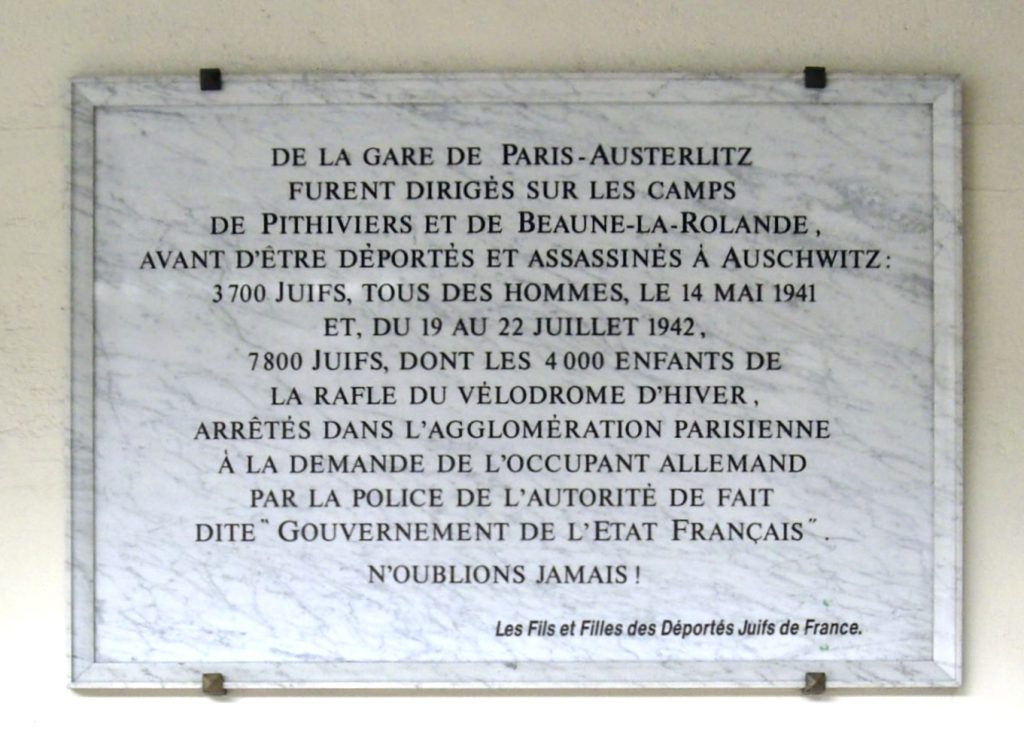
Plaque commemorating those rounded up under the “green ticket” operation, interned in camps in the Loiret, and exterminated at Auschwitz. (Plaque at the Austerlitz train station in Paris).
Documents
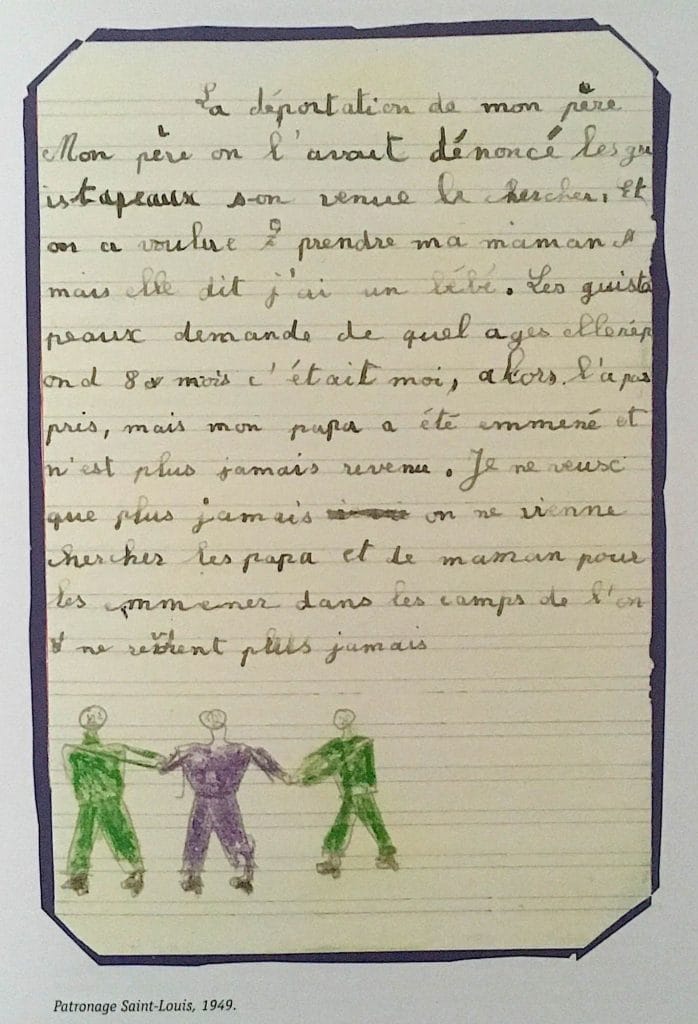
A child’s account of his father’s deportation.
Photos
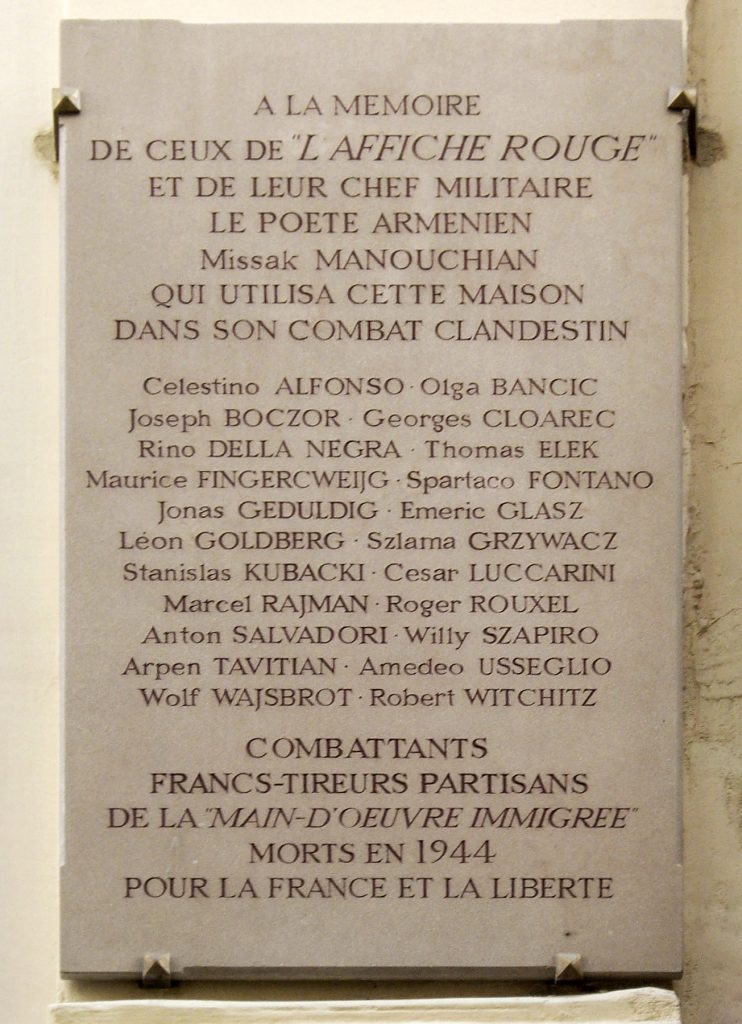
Plaque honoring the FTP-MOI Resistance fighters of the “Affiche rouge” movement. 19 rue au Maire, Paris 3rd arrondissement
Photos
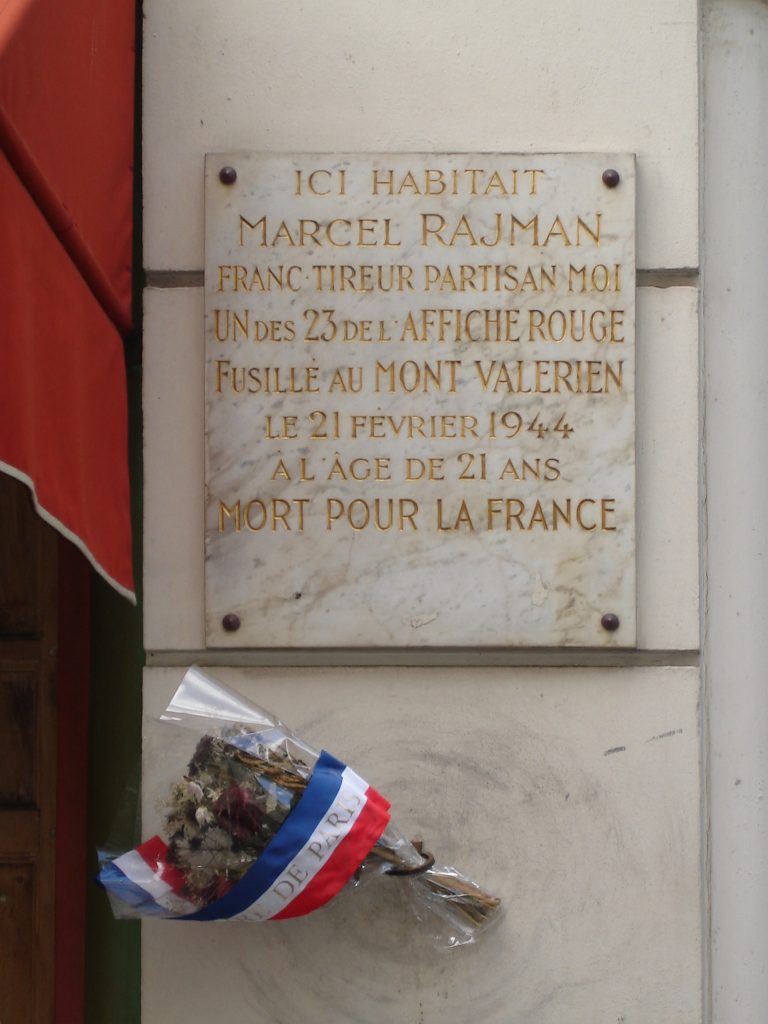
Plaque commemorating Marcel Rajman, one of the members of the “Affiche Rouge” Resistance group. 1 Rue des Immeubles Industriels, 11th arrondissement, Paris.
Photos
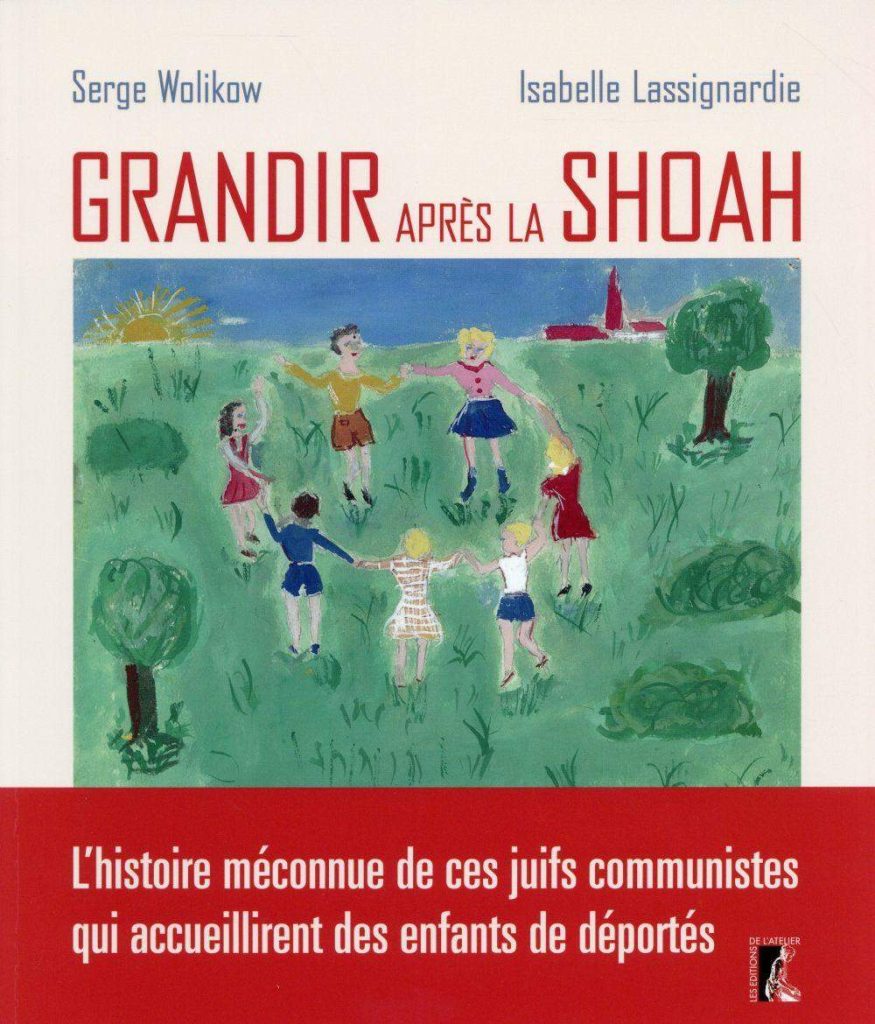
Book cover: Growing Up After the Shoah.
Photos
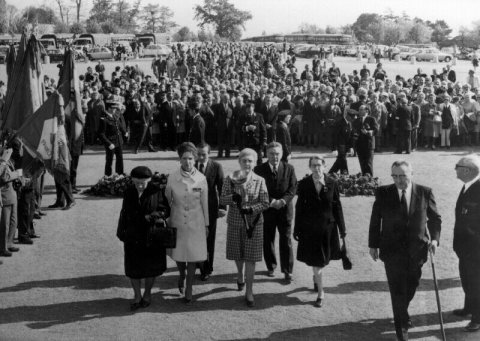
In 1962, a tribute was paid to those executed at Mont-Valérien in 1942.
Page
1
Page
2
Page
3
Page
4