In the aftermath of the Liberation, an official national narrative (or “novel”) began to take shape regarding the period that had just come to an end. From the very beginning of the Occupation, the French people were said to have been committed to the Resistance, and collaboration was attributed solely to a handful of traitors with no legitimacy whatsoever. The true France is said to have liberated itself, with the help of the Allies.
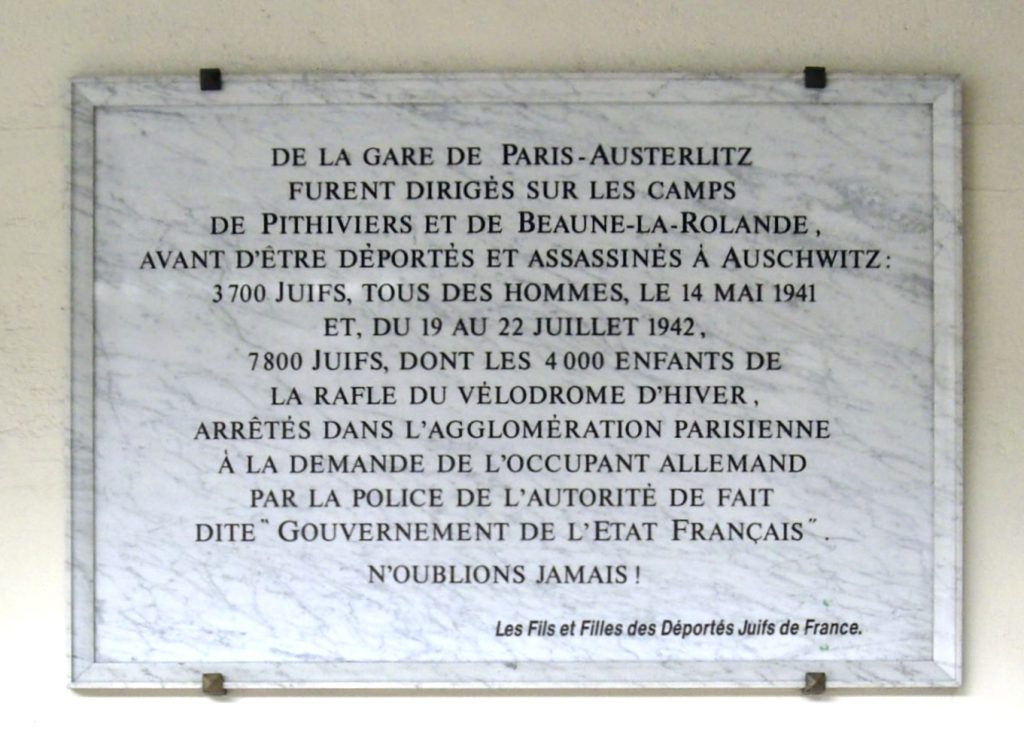
General de Gaulle’s Provisional Government of the French Republic quickly downplayed the role played by the Vichy regime and its police as active collaborators with the Occupying Forces in the repression of Resistance fighters and the persecution of Jews.
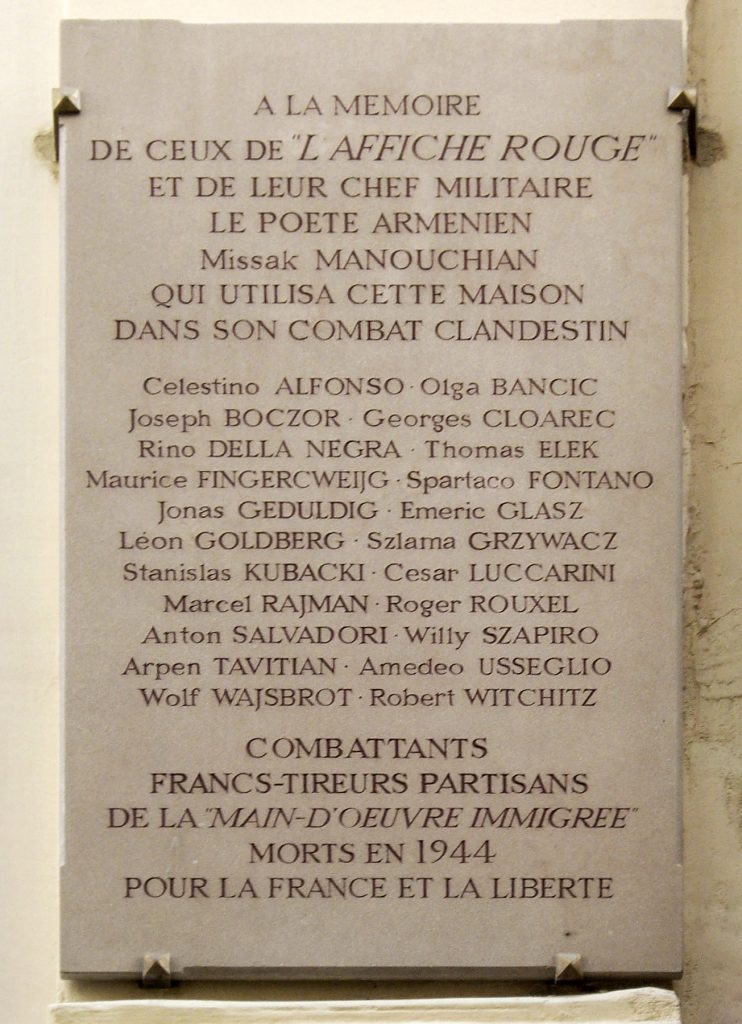
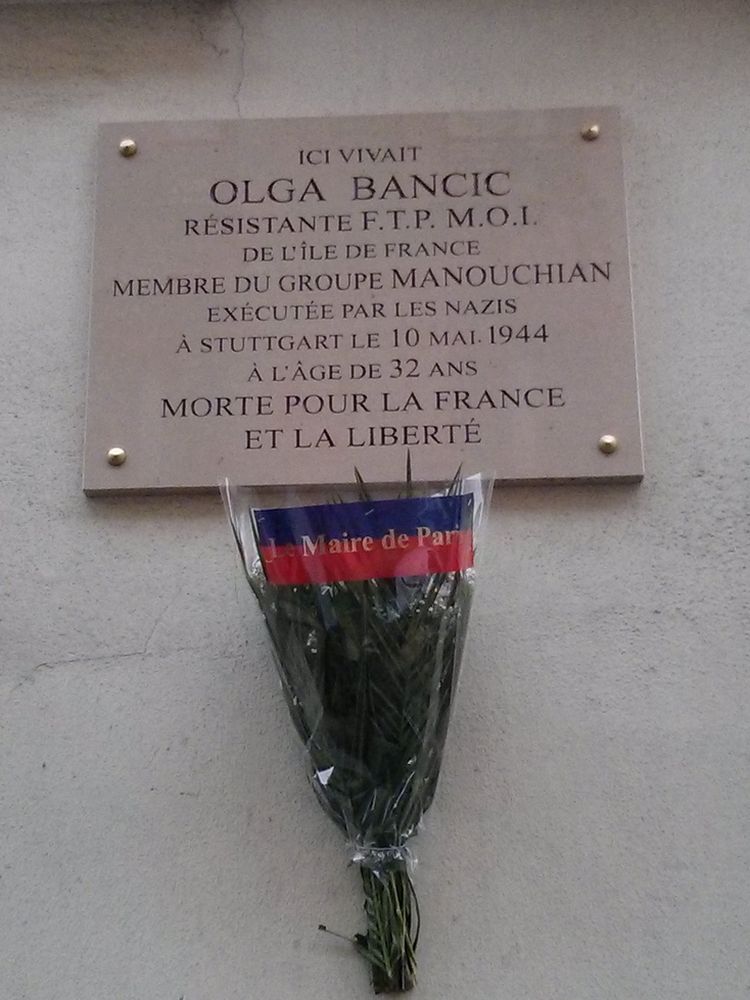
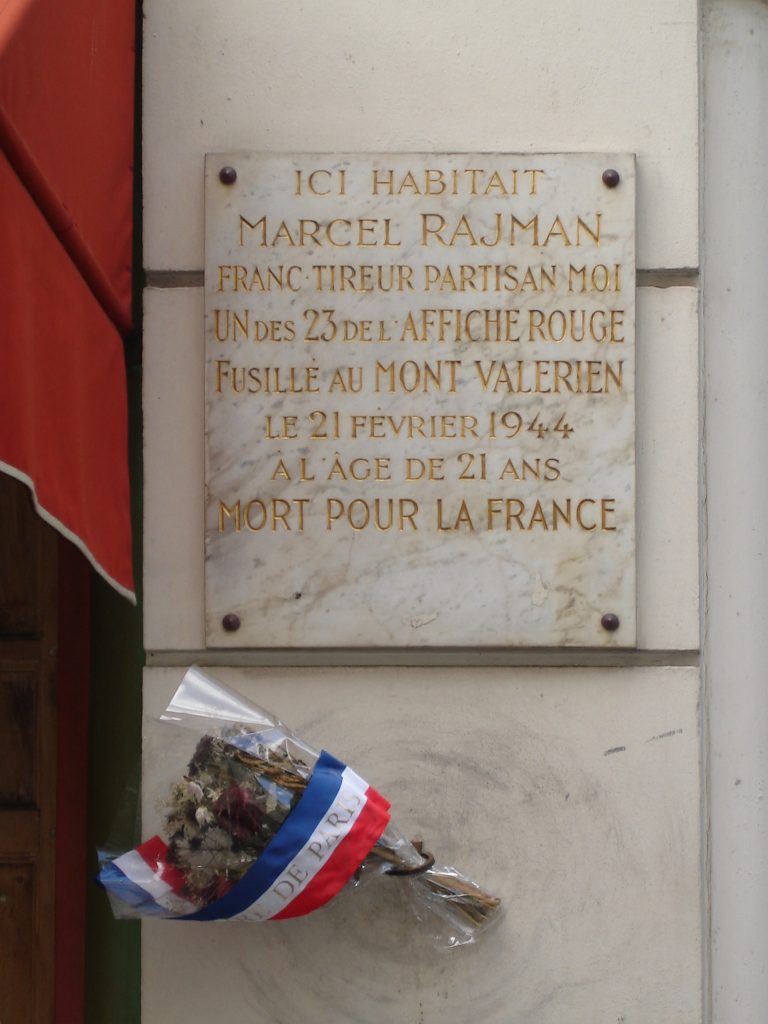
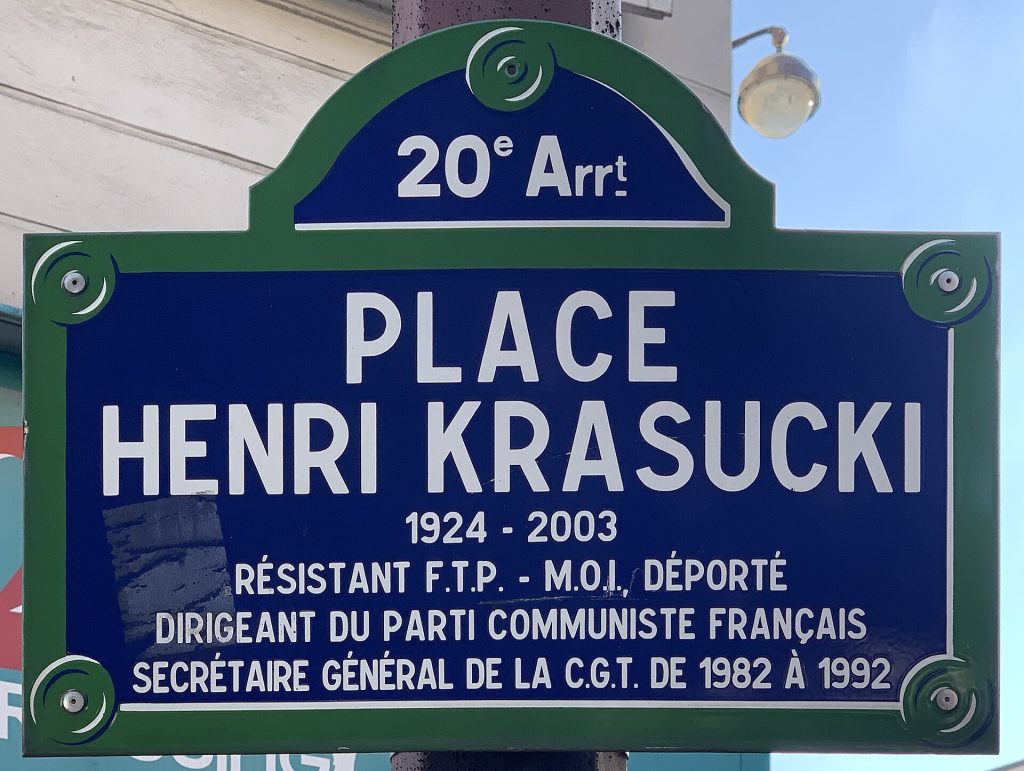
The contribution of colonial soldiers from the Maghreb and sub-Saharan Africa to the “Free French” army was also overlooked at the end of the war. The Communist Party, for its part, considers itself the representative of a French people that it claims was entirely part of the Resistance. In doing so, it obscures the role played by immigrant Resistance fighters from the M.O.I. in the anti-Nazi struggle in occupied France.
This portrayal of the past—a purely French, military, and male-centered national narrative—justifies France’s place among the victors of the conflict and allows for the continuation of institutions and individuals who held office during the Occupation.
This national narrative remained dominant for a generation. The cover-up came to an end in the 1970s, after the first statements denying the Holocaust, when numerous witnesses and historians spoke out publicly.
Reference:
Citron, Suzanne, 1987, *The National Myth*. Éditions de l’Atelier.