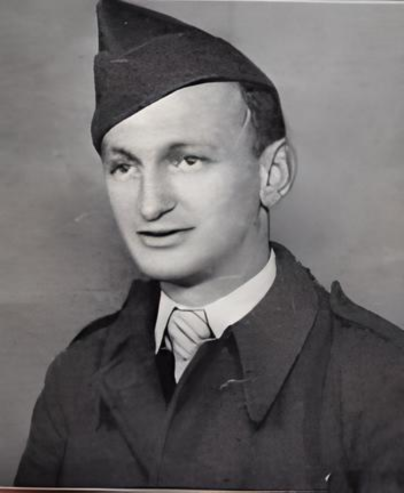
(1909-1972)
Jakob Elimajlech Gromb, known as G. Kenig, was born on October 19, 1909, in Warsaw to a modest Jewish family. He was among those who believed that one could be a Jew without being religious, with the Yiddish language and culture defining this national identity. He was a member of the S. Anski folklore circle in Warsaw, which was affiliated with the Jewish Scientific and Cultural Institute in Vilnius (YIVO), collecting proverbs, folktales, customs, and Yiddish songs…
Jakob Gromb published a study cataloging the cries of Jewish merchants in the streets and courtyards of Warsaw. A staunch communist, he was an ardent activist.
In November 1931, he emigrated to Paris, where he earned a living as a knitter while actively participating in labor unions and organizations within the Jewish section of the M.O.I. He was arrested during the anti-fascist Communist demonstration on February 6, 1934, and was issued a deportation order. He remained in Paris illegally and was sentenced in March 1935 to 15 days in prison, which he served at the Fresnes prison. Subsequently, he was granted temporary residence in France.
He adopted the pen name G. Kenig and served as a staff writer for the Yiddish daily *Naïe Presse* from the newspaper’s founding in January 1934.
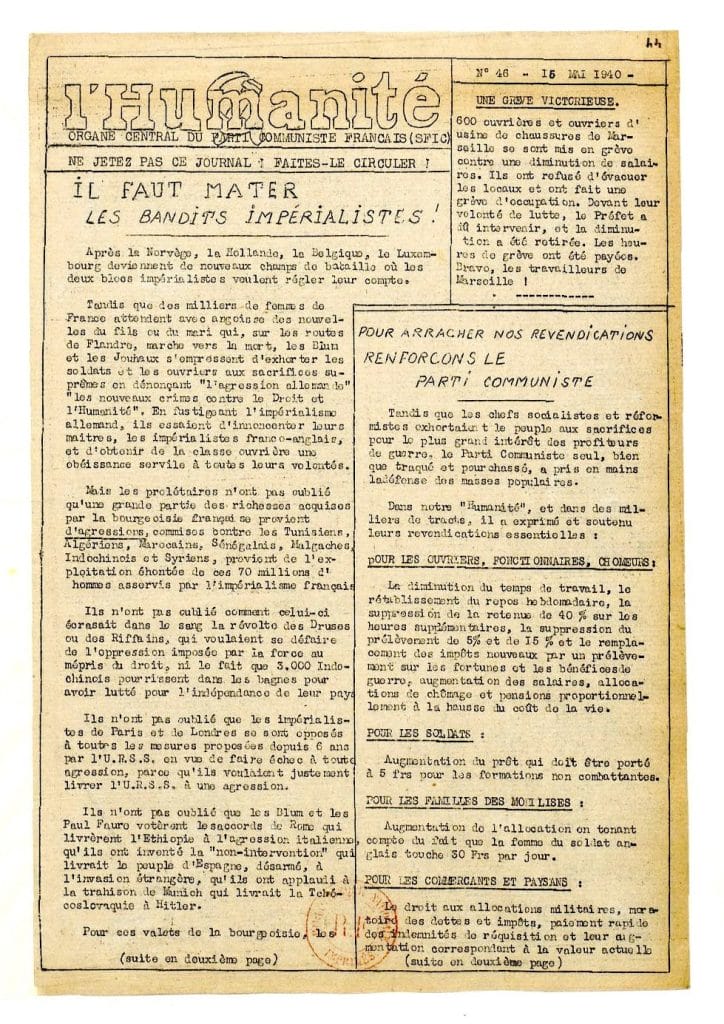
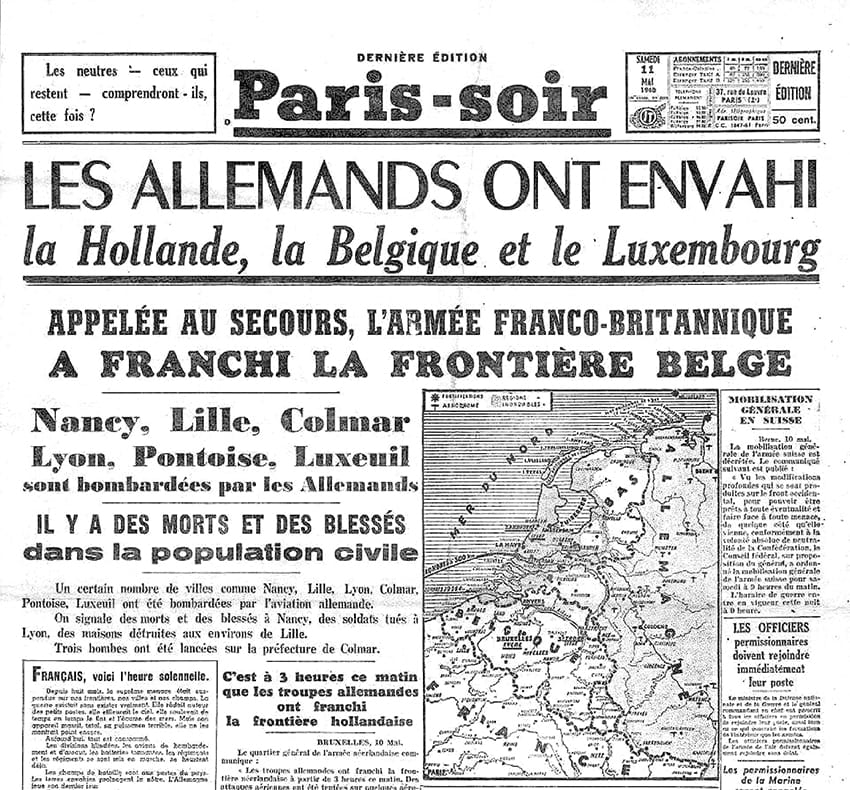
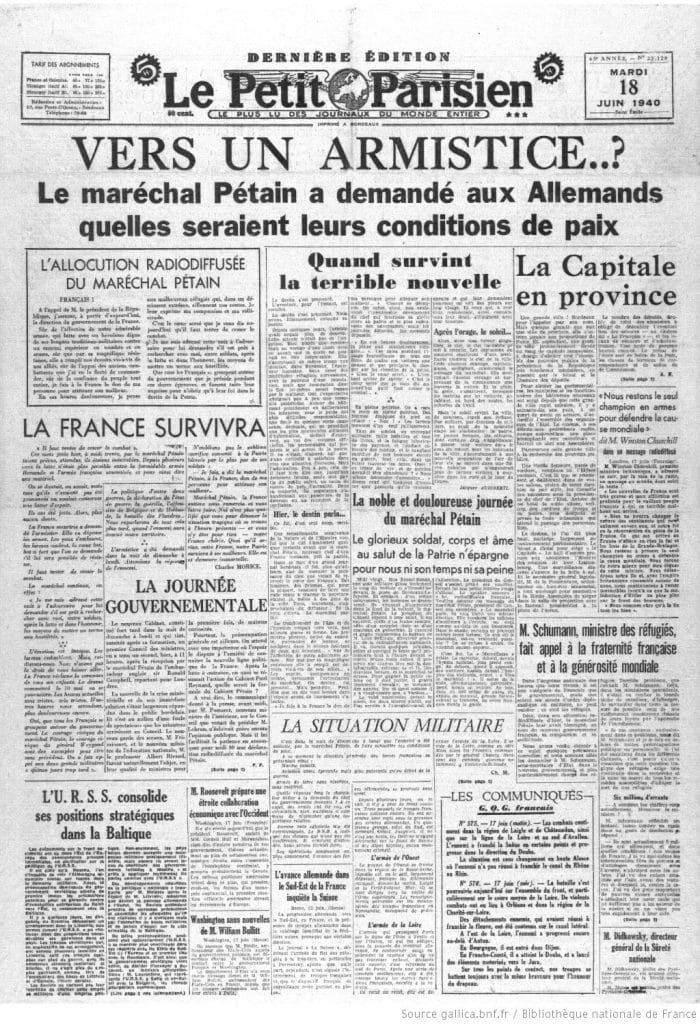
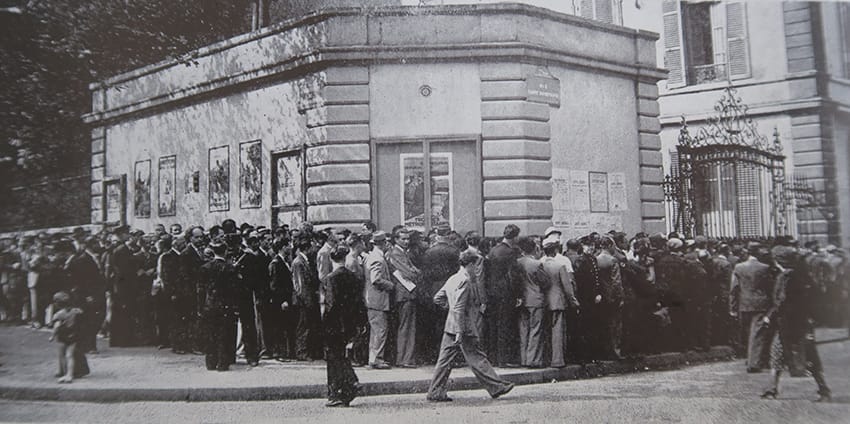
When war was declared, G. Kenig enlisted and was assigned to the poorly equipped 22nd Foreign Volunteer Marching Regiment—the “string regiment”—and took part in the battles of the Somme, where many soldiers were killed. Kenig was taken prisoner on June 6, 1940. He was interned in Prussia, where he spent five years of the war and helped organize the Resistance among the prisoners. Liberated by Soviet troops, he returned to France on June 6, 1945, and was demobilized in Paris in November.
G. Kenig is active in the Union of Jews for Resistance and Mutual Aid (UJRE), founded during the Resistance, the Union of Jewish Veterans and Volunteers (UEVACJ), of which he was vice president; and, above all, *Naïe Presse*, which had once again become legal and of which he served as editor-in-chief until the end of his life.
The deportation order issued against him in 1934 was rescinded in light of his service during the war. He was naturalized as a French citizen on August 9, 1948.
However, due to a repressive policy toward activists of foreign origin, Kenig was stripped of his French citizenship “for insufficient assimilation” and subjected to a deportation order that also affected his wife and children. The UJRE and organizations affiliated with the Communist Party organized an effective protest campaign. On January 1, 1952, the Council of State ruled that the revocation of citizenship was unlawful and therefore null and void.
Jacob Gromb, known as G. Kenig, died of a heart attack in Paris during a meeting on February 14, 1972.
References:
— Spire, Alexis, 2005 , *Étrangers à la carte: Immigration Administration in France (1945–1975)*, Paris : Grasset.
— Photo: private collection, A. Gromb