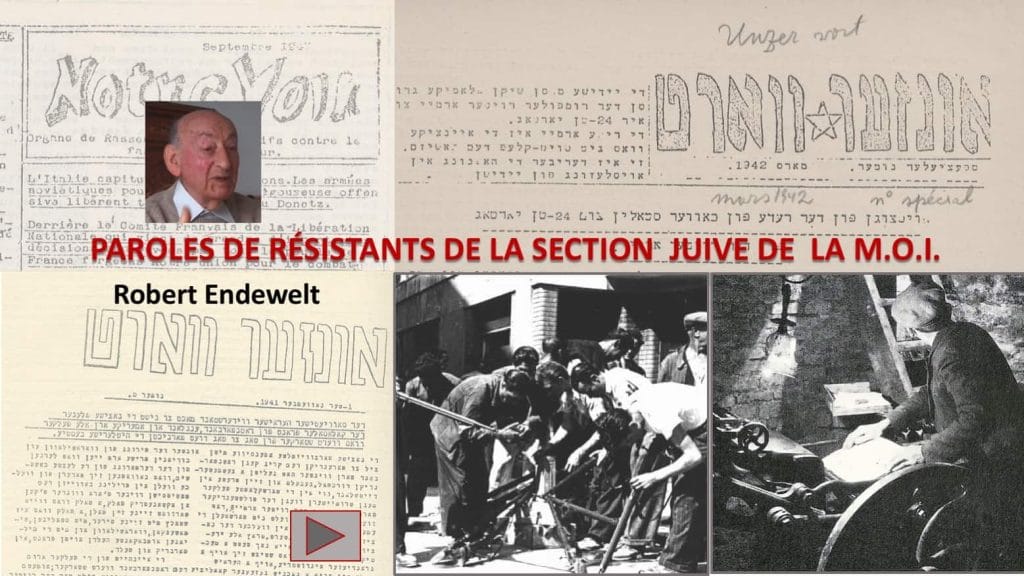
In 1941 and 1942, Jewish immigrant workers carried out acts of sabotage against goods intended for Nazi troops, both in home workshops and in factories.
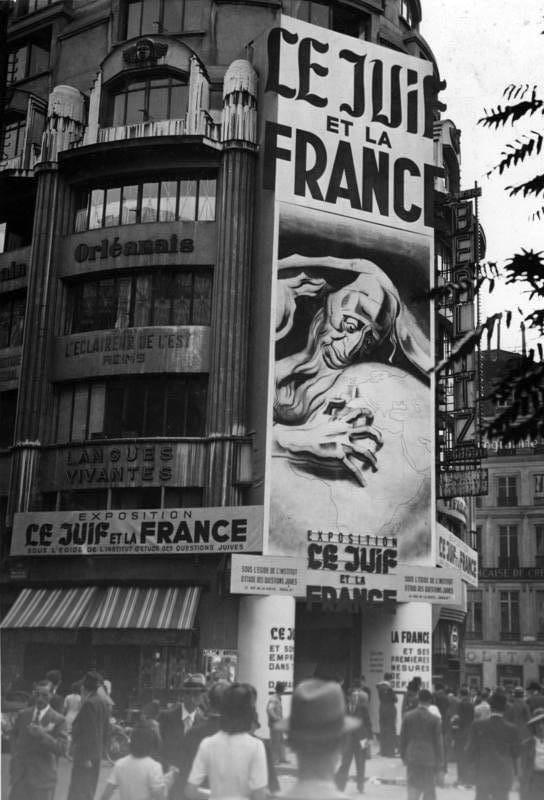
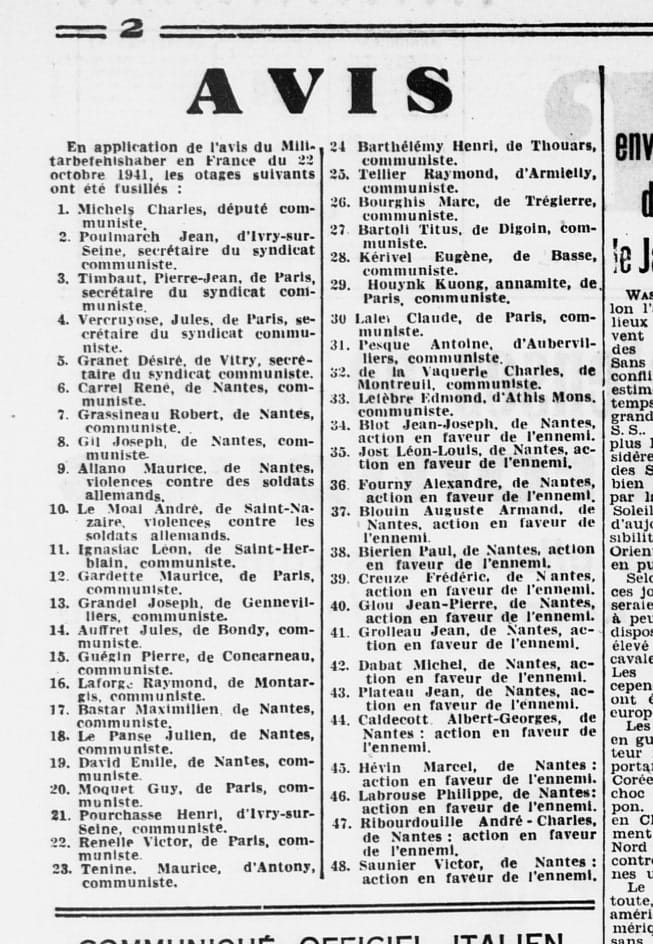
Anti-Jewish persecution, the plundering of the country’s resources, and the execution of hostages to crush the Resistance prompted Jewish labor activists to devise a new form of struggle.
Internationally, Nazi Germany had been at war with the USSR since the breakdown of the non-aggression pact in June 1941.
As early as September 1941, union activists drew up an initial plan of action targeting goods intended for German troops. Young Jewish communists worked to convince Jewish workers of the importance of sabotage.
The dangers of these operations are obvious, but the problem is quickly spreading to all sectors of industry. Knitters, for example, are producing sleeves that are too short and openings that are unusable. Glove makers are producing gloves with fingers that are too tight and thumbs on the wrong side…
In December 1941, they launched a general strike that lasted four weeks: the real goal of the strike was to target the Germans, who lost 160,000 pairs of gloves.
Acts of vandalism against machinery are taking place in large companies. Essential engine parts are being stolen or damaged, and electrical systems are being destroyed.
During the winter of 1941–1942, sabotaging the fur workshops was vital. Warm clothing intended for German soldiers had to be sent to the front, where bitter cold prevailed. Jews who worked in fur factories were issued Ausweise—special certificates that temporarily protected them from arrest and deportation—but they sabotaged their production.
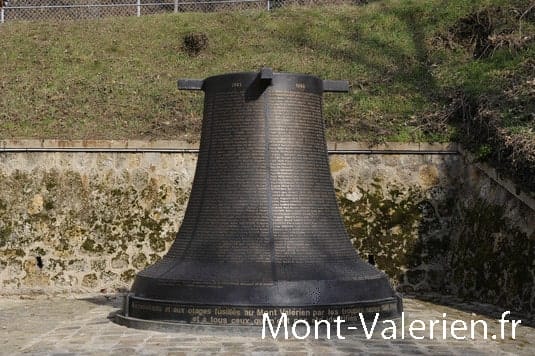
Small explosive devices are widespread in workshops across all trades; they cause fires that destroy merchandise. In June 1942, during one such operation, two young Jewish Resistance fighters were arrested by the Nazis and shot in July. Other fighters were imprisoned.
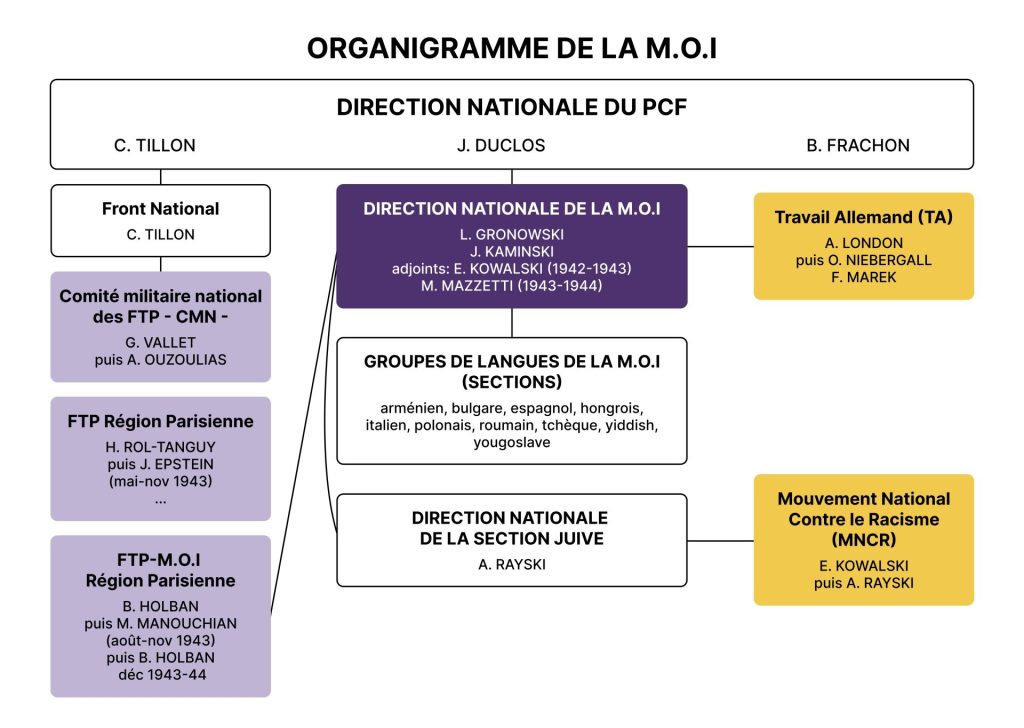
Nevertheless, their commitment did not waver; many young Jewish immigrant workers from workshops or factories joined the ranks of the Jewish section, the M.O.I., in its civil or armed struggle.
References:
– A commemorative collection dedicated to Jewish immigrant activists of the CGT who fell in the struggle against fascism. *Combattants de la liberté*, 1948 , Paris, published by the Jewish Inter-Union Commission of the CGT
– The Jews of France (1940–1945) experienced Resistance, 2009, an account by Robert Endewelt. Published by AACCE.