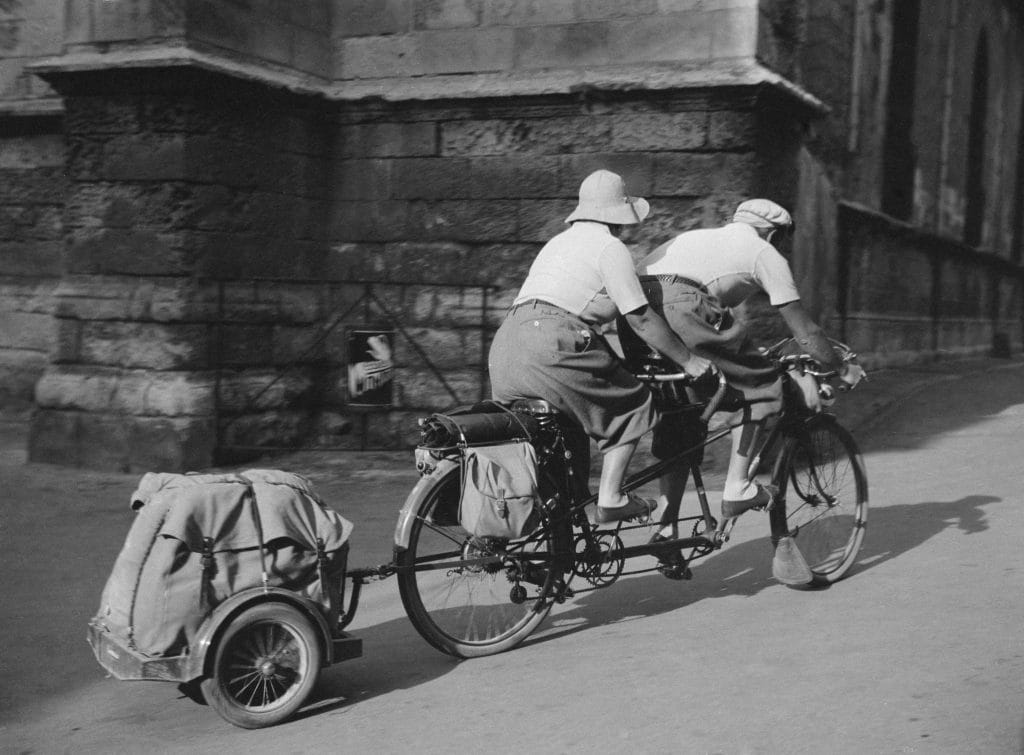
In France, the Popular Front (a pact of unity among left-wing parties) of 1936 and the strikes that followed the electoral victory led to major social reforms, such as paid vacation.
These reforms were detested by the far right, which eventually adopted the slogan “Better Hitler than the Popular Front.” By 1938, the Popular Front—and the democratic and anti-fascist hope it had inspired—were a thing of the past.
In the wake of the stock market crash of October 1929, the global economic crisis began to be felt in France starting in 1931. Against this backdrop and amid political instability, the French far right experienced a veritable surge.
On February 6, 1934, a rally organized by the “Leagues” (various far-right movements) took place in front of the National Assembly; the demonstration was interpreted as an attempt at a fascist coup d’état.
The Daladier government resigned on February 7.
On February 9, at the call of the Communist Party, a demonstration was organized against fascism. The demonstration was banned and ended in violent clashes (nine dead and hundreds injured).
In July 1934, a “pact of unity of action” was signed between the Communist Party, the Socialist Party, and the Radical Party to form a “Popular Front for Freedom, Labor, and Peace.” It was a defensive alliance against fascism and poverty.
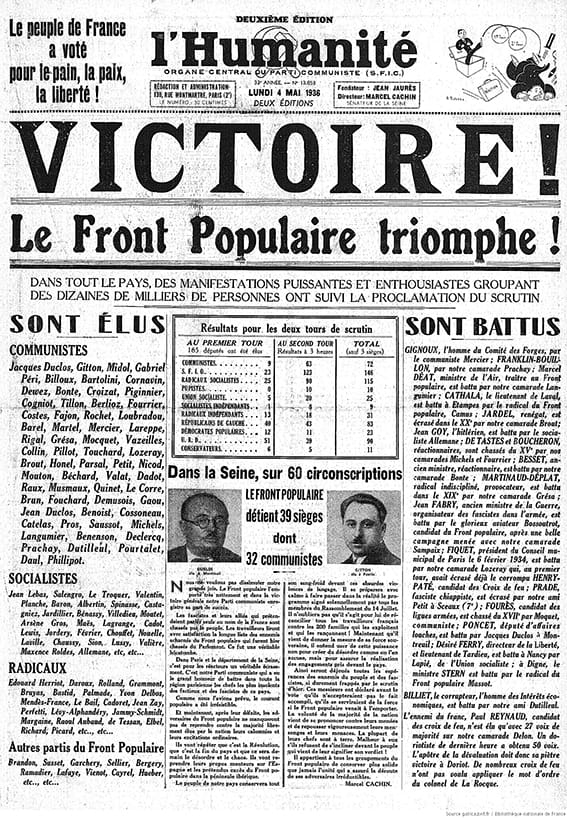
In the legislative elections of April–May 1936, the Popular Front won an absolute majority. Léon Blum, leader of the Socialist Party, formed a government composed of Socialists and Radicals; the Communists supported it without joining it.
A powerful wave of strikes led to the signing of the “Matignon Agreements” between the unions and Léon Blum on June 7, 1936: wage increases, a 40-hour workweek, 15 days of paid vacation, and the establishment of collective bargaining agreements within companies.
Structural reforms were also carried out: the democratization of the Banque de France and the nationalization of the railroads, leading to the creation of the SNCF.
At the same time, significant efforts are being made in the areas of education and culture.
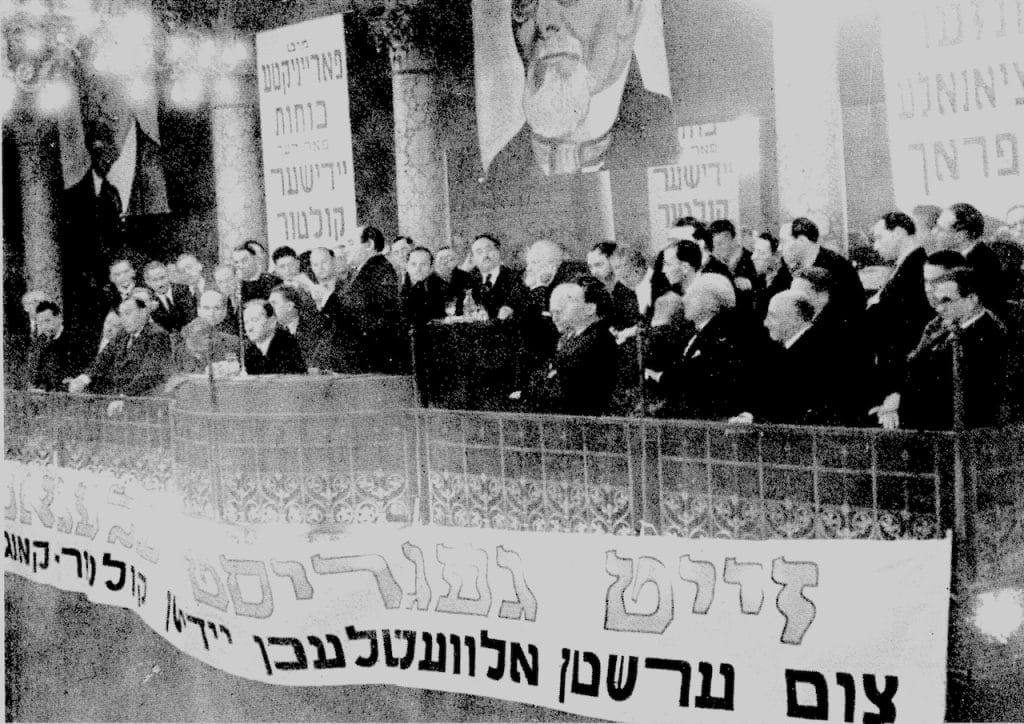
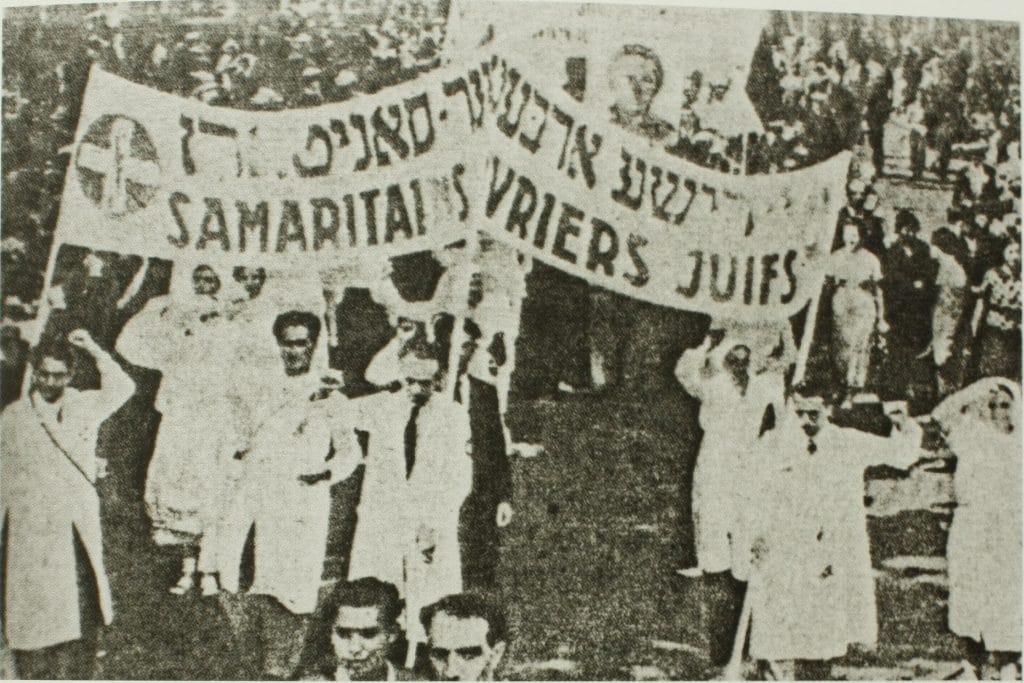
Activists from the Jewish branch of the M.O.I. are enthusiastically supporting the Popular Front.
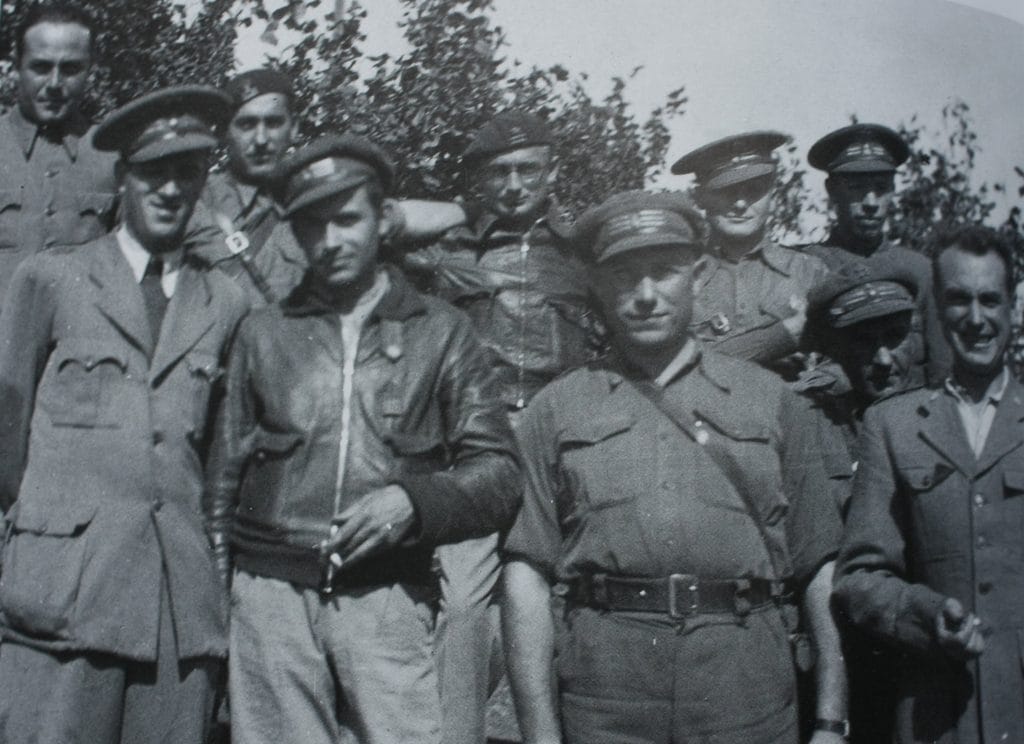
But difficulties arose: the Spanish Civil War, pitting Franco’s fascists against the Republicans, broke out in 1936. Léon Blum agreed to a “non-intervention” treaty supported by most of the Radical ministers and some of the Socialist ministers.
This decision to step down has distanced him from the Communist Party.
The economic situation is deteriorating: capital flight, spending on rearmament. Virulent anti-Semitism is on the rise, directed at Léon Blum in particular and Jews in general, especially progressive Jews.
In the fall of 1938, on September 30, the “Munich Agreement” was signed; Hitler had a free hand in the East; war was brewing, and this led to a reassessment of the social gains made by the Popular Front.
The democratic anti-fascist rally is over.
Reference:
– Diatkine, Daniel, and Gayman, Jean-Marc, 1997, *History of Economic Events*, Vol. 2,
Growth and Crises in France, 1895–1974, Paris : Nathan.
– Tartakowsky, Danielle, 2004, *The Popular Front: Life Belongs to Us*, Paris , Gallimard,
“Découvertes Gallimard” series.