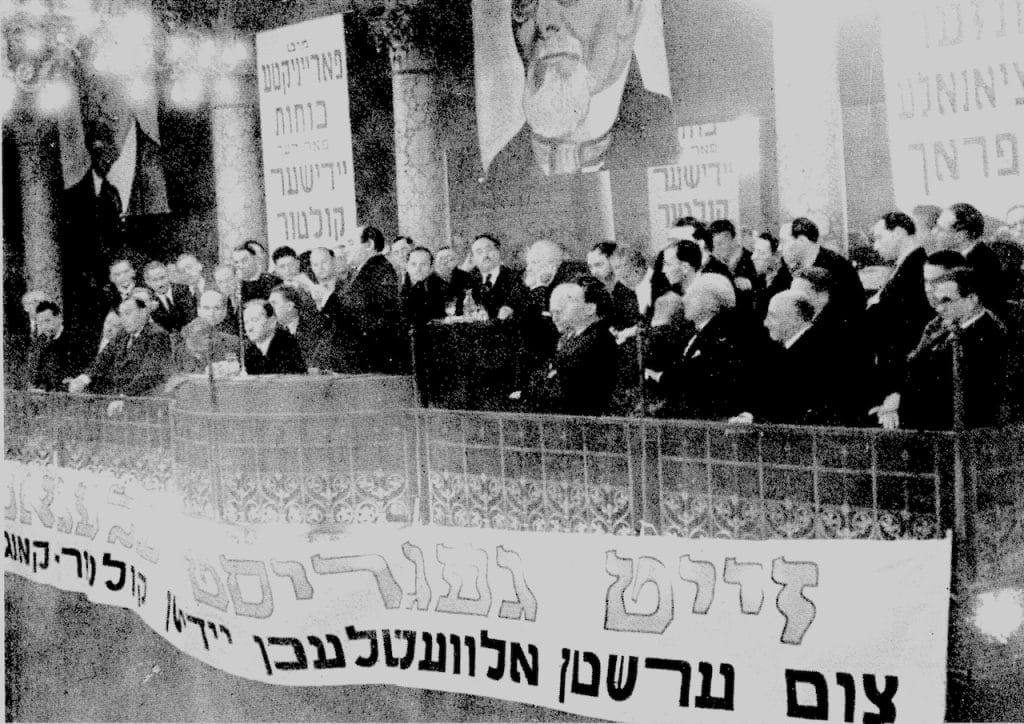
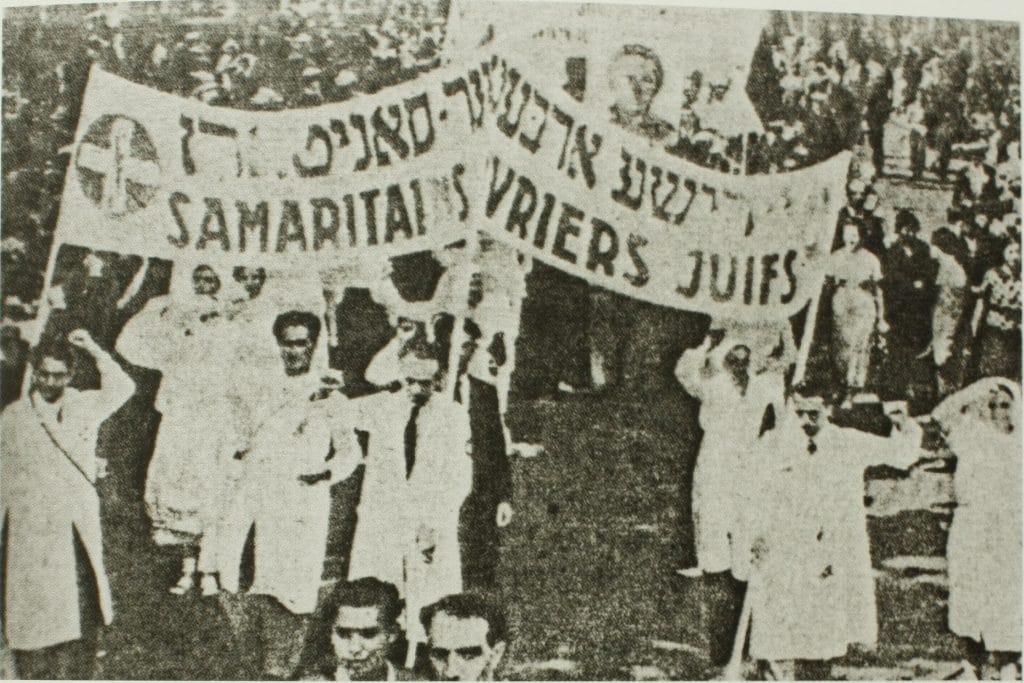
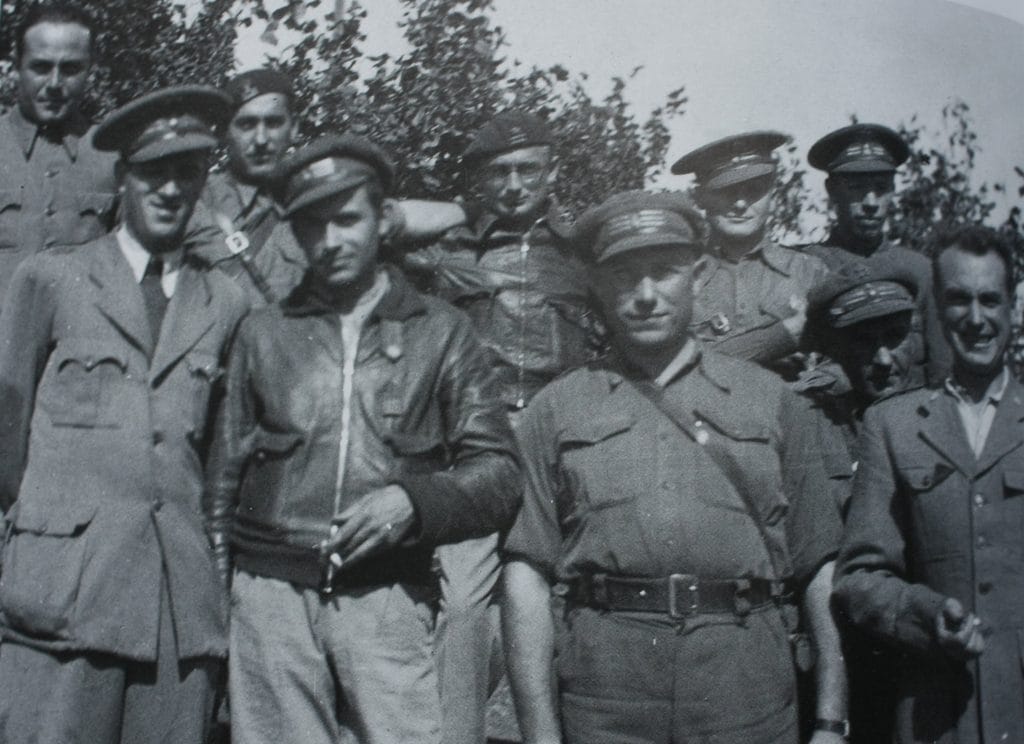
In 1937, the World Jewish Congress for the Defense of Yiddish Culture—convened at the initiative of Jewish progressives—brought together delegations from around the world to counter fascism, Nazism, and anti-Semitism.
As early as 1933, several prominent Zionist figures proposed the idea of a World Jewish Congress to counter Nazism. In France, the Yiddish-language newspaper *Naïe Presse* supported this initiative in its May 7, 1936, issue. The Nazi anti-Jewish Nuremberg Laws, enacted in Germany, stripped Jews of all their civil and civic rights. Anti-Semitism was also present in France and was worsening in Eastern Europe. Pogroms were ravaging Poland.
There is an urgent need for a World Jewish Congress.
A first Zionist congress was held in Geneva in August 1936 and ended in failure due to open discord among the participants.
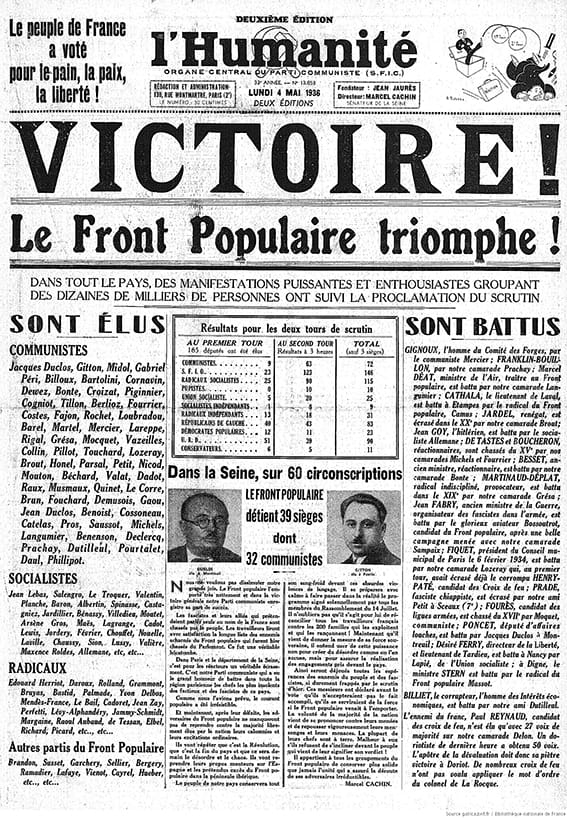
Progressive Jews in France, for their part, were not giving up. They used the 1937 World’s Fair in Paris as a pretext to revive the idea of a World Congress for the Defense of Jewish Culture against Fascism and Nazism.
From the progressives’ perspective, Jewish culture is linked to Yiddish—the language of the people and of literature—rather than to Hebrew, the language of religion and tradition.
The issues to be examined by the Congress include politics, philosophy, the press, education, the arts, science, language, and literature… In France, the highly active social and cultural network of the Jewish section of the M.O.I. is driving the preparations for the event.
On September 15, 1937, the opening session of this first World Congress for the Defense of Jewish Culture was held in Paris.
Five continents are represented. Some of the most prestigious Jews who are intellectuals or artists engage in debate with complete freedom of expression. The sessions address all the major issues of the time and the place of Yiddish culture within a global and humanistic vision of society.
But these were dark times. The Soviet delegation was conspicuously absent from the Congress; advocates of Jewish culture were targeted by Stalin’s purges, which were claiming numerous victims in the USSR at the time.
Nazi barbarism would soon spread throughout Europe and wipe out a vibrant Yiddish culture.
Reference:
– Cukier, Simon; Decèze, Dominique; Diamant, David; Grojnowski, Michel, 1987, Revolutionary Jews, Paris, Messidor/Éditions sociales.
– Brossat, Alain, and Sylvia Klingberg, 1983, *Revolutionary Yiddishland*, Paris: Éd. Balland