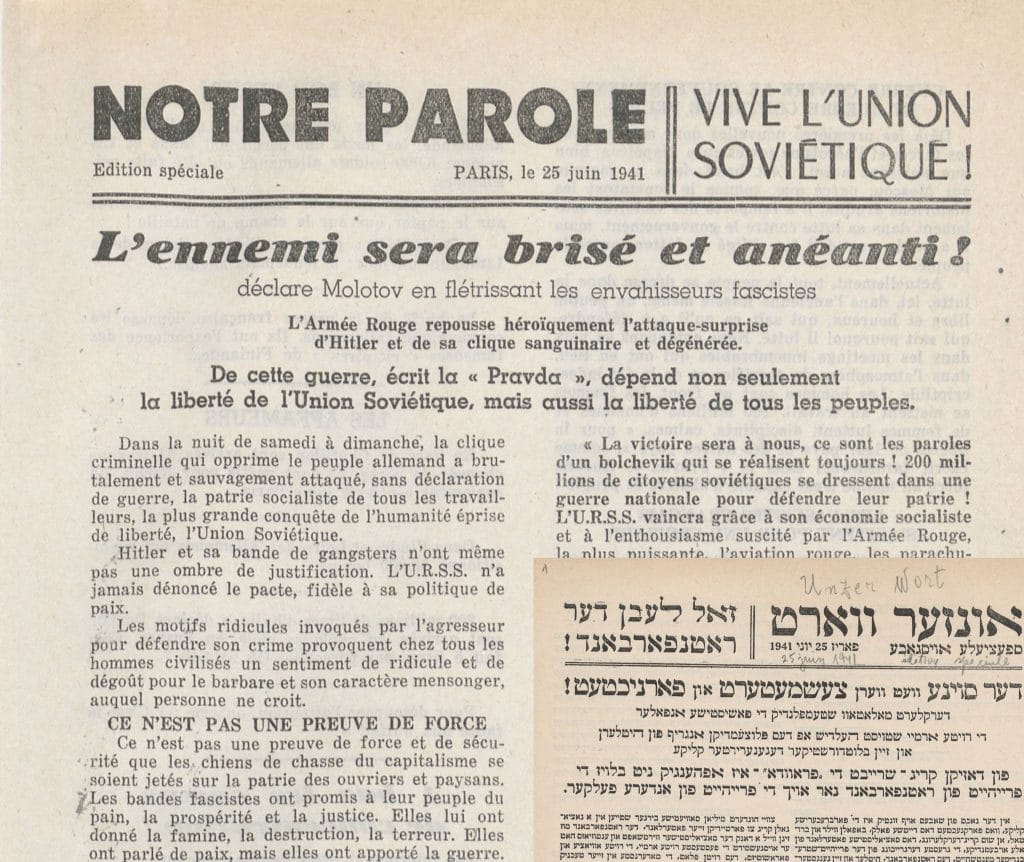
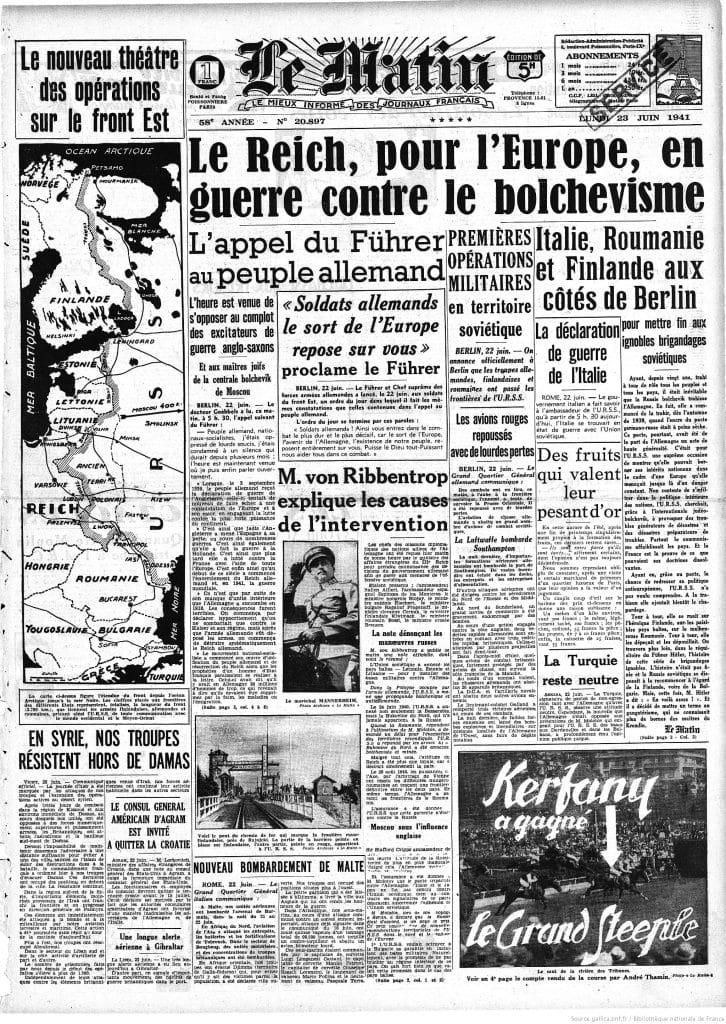
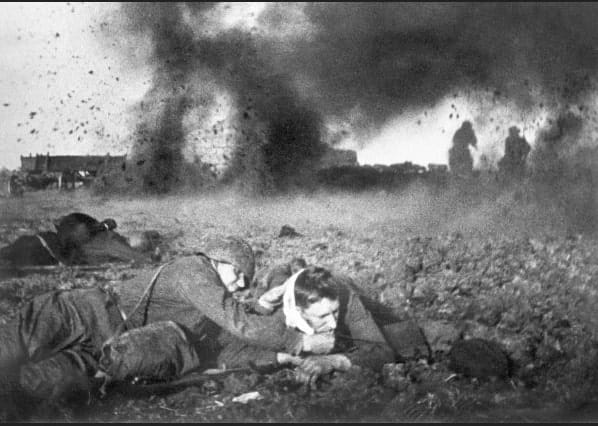
Operation Barbarossa, which began on June 22, 1941, was the code name for the German army’s invasion of the Soviet Union (USSR) during World War II. In December, during the Battle of Moscow, the Soviet counteroffensive repelled the German army.
In June, the Wehrmacht had the element of surprise on its side. The Red Army, though weakened by Stalin’s massive purges intended to eliminate opponents, nevertheless had significant manpower reserves and substantial industrial capacity.
After initial successes, the Battle of Smolensk slowed the Wehrmacht’s advance, forcing it to halt for about fifteen days as the roads had become impassable. Nevertheless, German divisions continued to advance to the north, east, and southeast. From June to October 1941, they took more than three million prisoners, who were treated barbarically.
The German army faced significant Resistance. The Wehrmacht’s lines of communication became the target of partisan groups. Faced with the exhaustion of his troops and the inevitable failure of Operation Barbarossa, Hitler finally launched Operation Typhoon, aimed at Moscow.
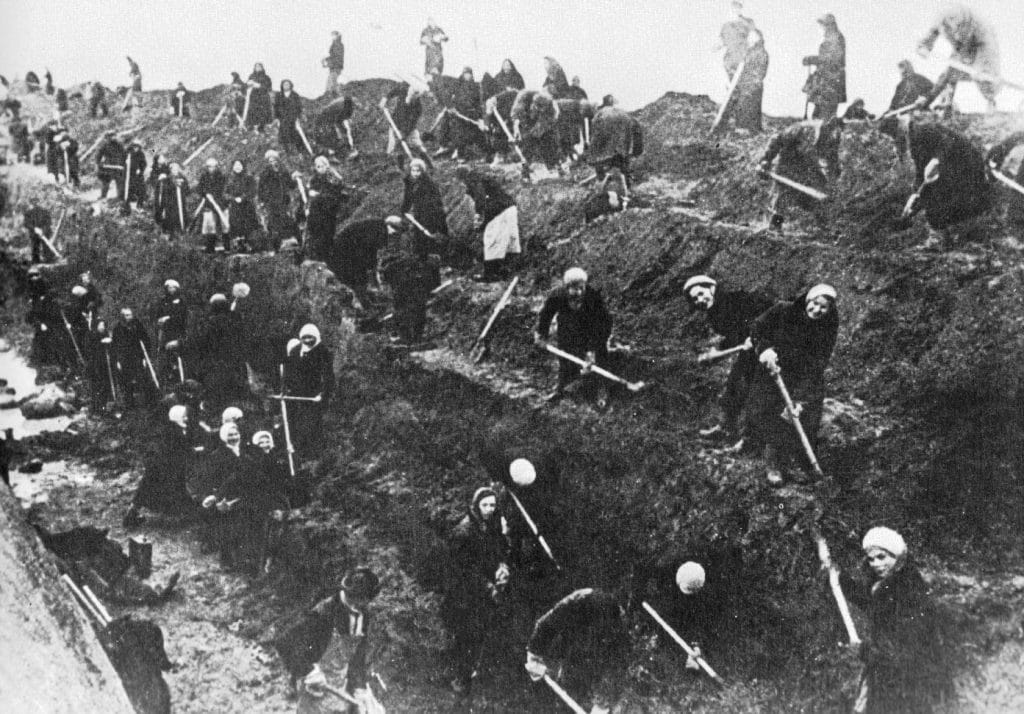
Between July 1941 and January 1942, during Operation Barbarossa, 17 million Soviet workers kept more than 1,500 large industrial enterprises—converted to war production—running in the Urals, the Volga region, Central Asia, and Siberia. In the areas occupied by the Wehrmacht, the first mass killings of Russians, Roma, and, predominantly, Jews by mobile extermination units (the Einsatzgruppen) began just a few weeks after the start of Hitler’s invasion.
In late 1941 and early 1942, Operation Barbarossa ended in Nazi Germany’s first strategic defeat.
Reference:
Lopez, Jean, and Otkhmezuri, Lasha, 2019, *Barbarossa. 1941. The Total War*, Paris: Éditions Passés/composés.