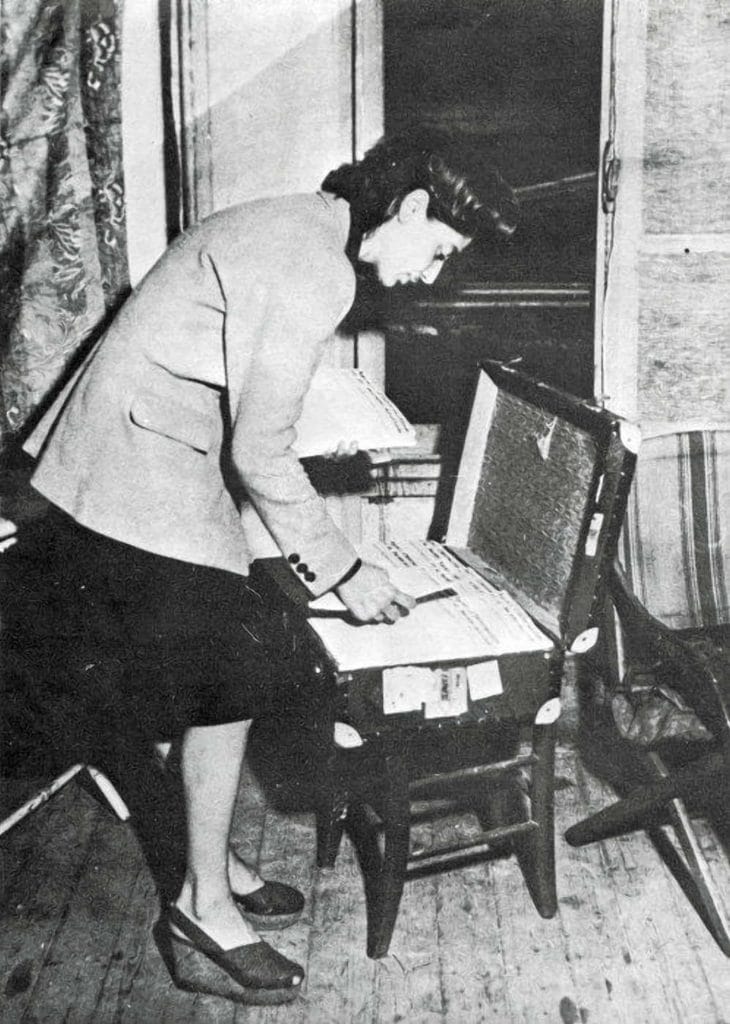
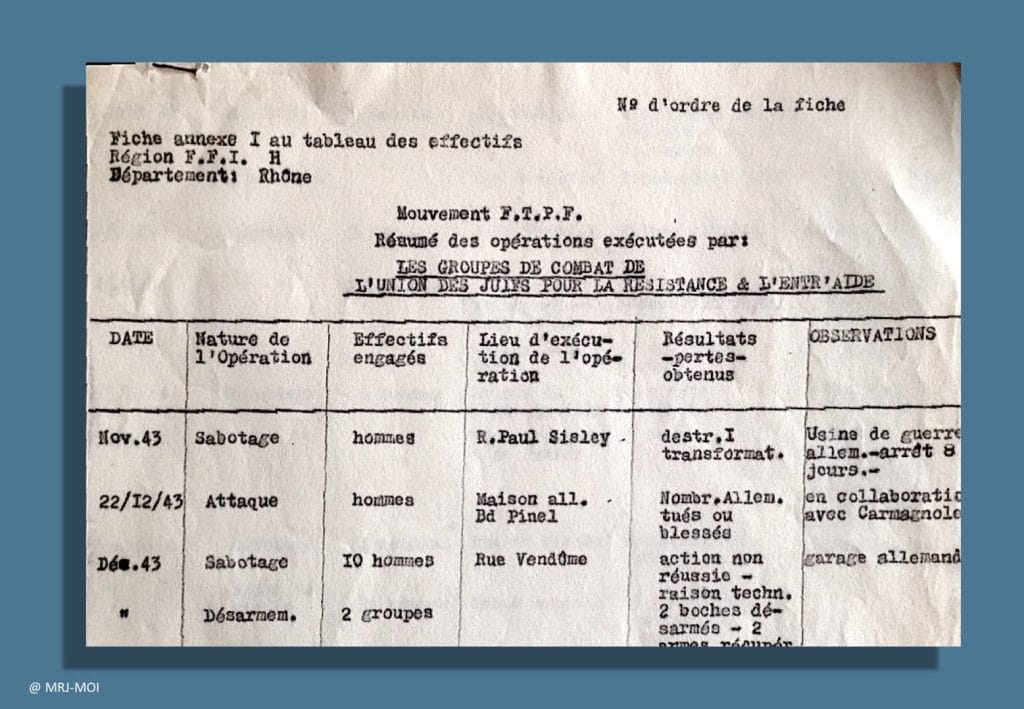
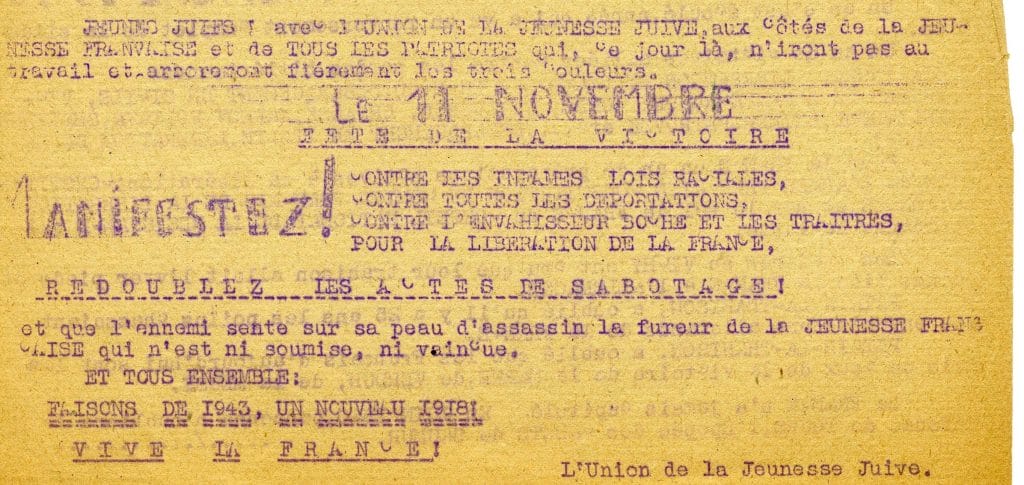
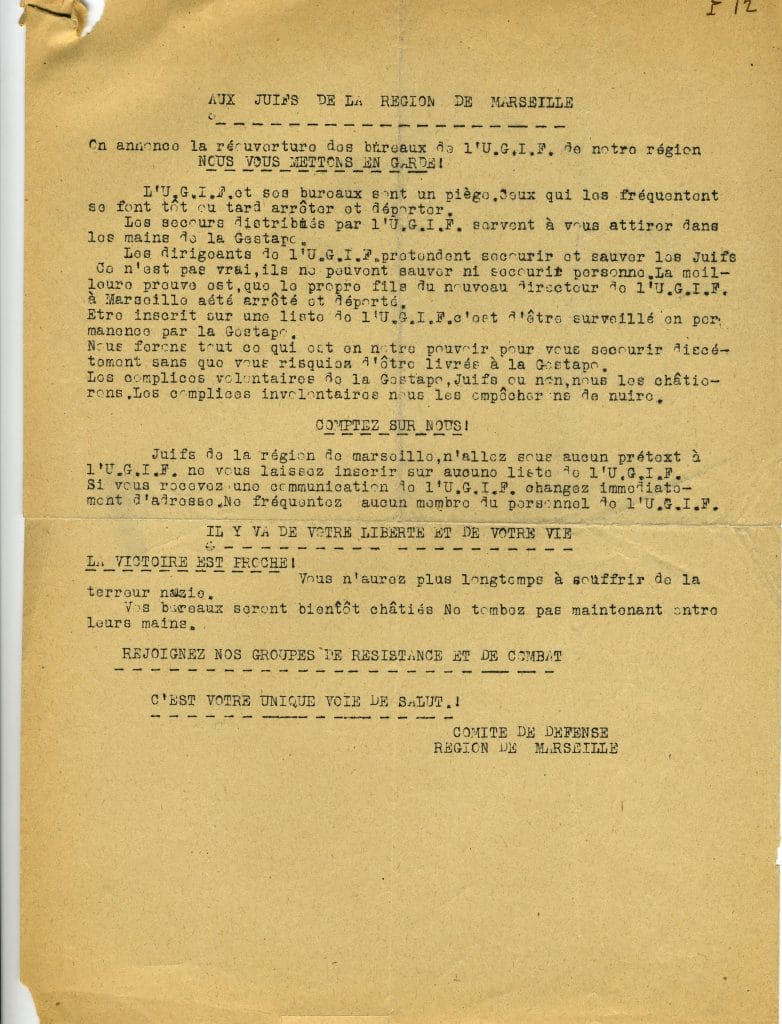
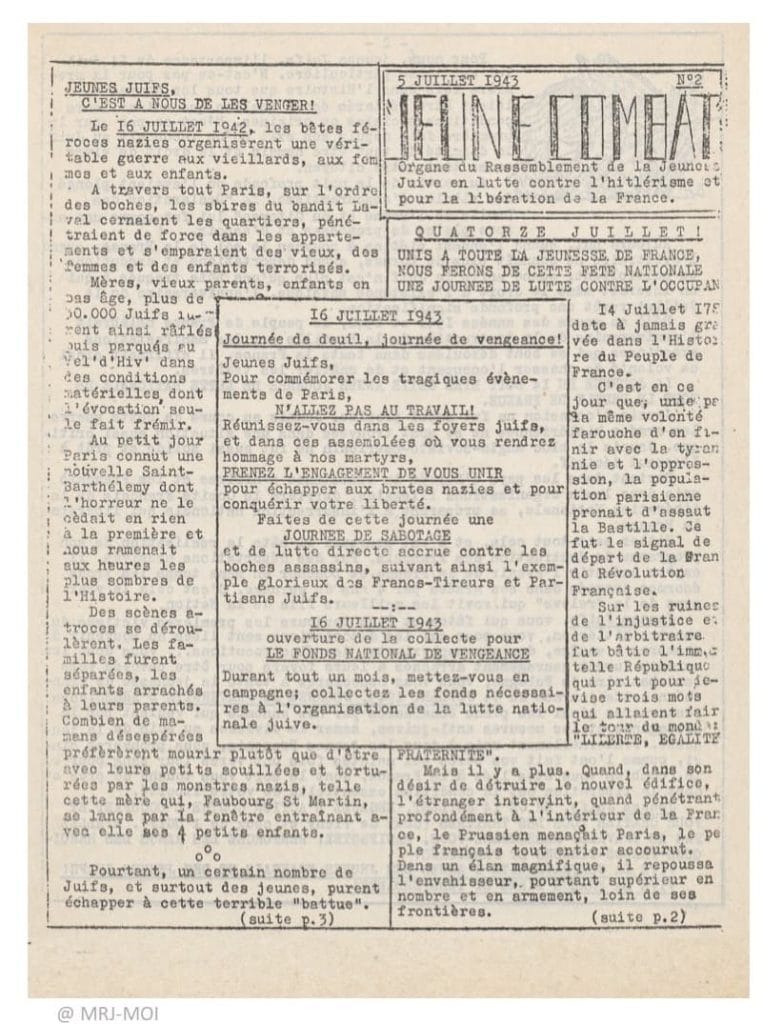
To bypass the controlled postal and telephone systems, Resistance fighters entrust their messages to “liaison agents,” who serve as their “mail carriers.” These agents’ missions are varied. They carry clandestine letters that cannot be mailed to those who, for safety reasons, are constantly changing their addresses; they maintain contact between their leaders and various networks, between cities, and with the maquis; and they transport false papers, explosives, and printing equipment…
Meeting locations and times, contact aliases, and information to be conveyed must be memorized. The liaison agent must also often travel long distances on foot, by train, or—preferably—by bicycle, which is the preferred mode of transportation because it allows one to avoid the very frequent checks at train stations and on trains.
It is often young people—and very often young women—who carry out these missions because they attract less attention than young men, who are stopped more often.
It is also less surprising to see young women with children—they are often tasked with “hiding” Jews in the countryside. In addition, they must ensure that child support payments are made for these children, to ensure their continued placement with host families, which often involves traveling from village to village.
When liaison agents are arrested, they are subjected to inhumane interrogations because the police know that they serve as essential intermediaries. Working as a liaison agent often leads to deportation and death.
Reference:
Chantal Dossin, 2018, *They Were Jews and Members of the Resistance*. Sutton Publishing