Through various associations whose leaders belonged to the Jewish section, the M.O.I.’s influence before the war extended far beyond its own membership. There were about 200 truly active M.O.I. activists, most of whom lived in Paris.
Within the unions affiliated with the CGTU (General Confederation of Unitary Labor), there are about a dozen Jewish sections (leather and hides, apparel, textiles, baking, etc.) grouped together in a “Jewish Inter-Union Commission.”
- The Kultur Ligue (Cultural League), whose official name is “Jewish Educational League,” was founded in 1918 in Kyiv and established in Paris in 1923. Its goal was to promote Yiddish culture and to establish a library and a workers’ university.
- The Arbeter Orden (Workers’ Order), a mutual aid society, was founded in 1933. It organized a legal aid clinic, established a health clinic, and founded an association called “Friends of the Jewish Workers’ Children,” which ran a summer camp.
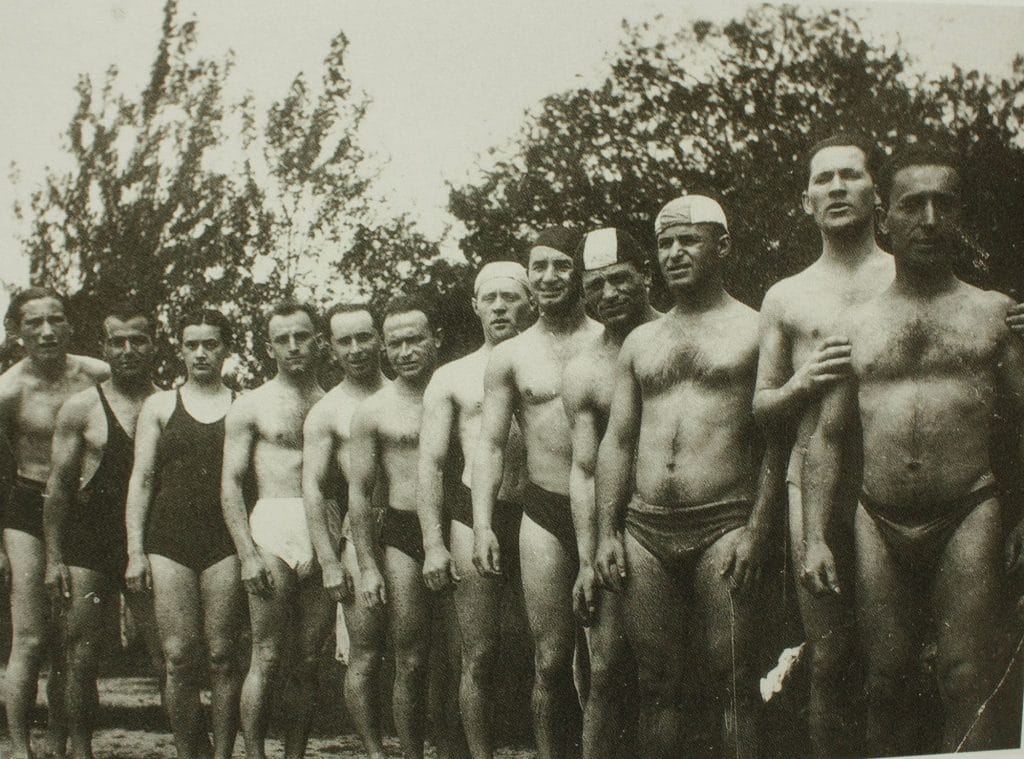
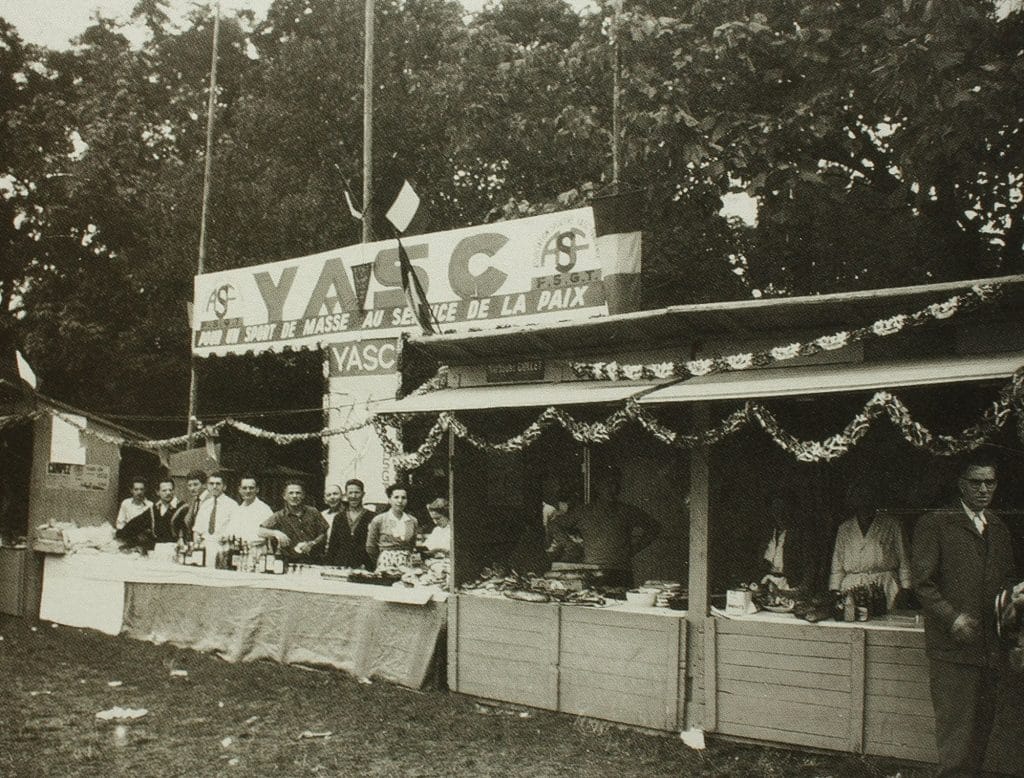
- The founders of YASK (the Jewish Workers’ Sports Club), which had 500 members in 1934, were young people from the Kultur Ligue.
- Other members of the Kultur Ligue founded the AYK (Young Workers’ Club), which became a platform for political and social activism.
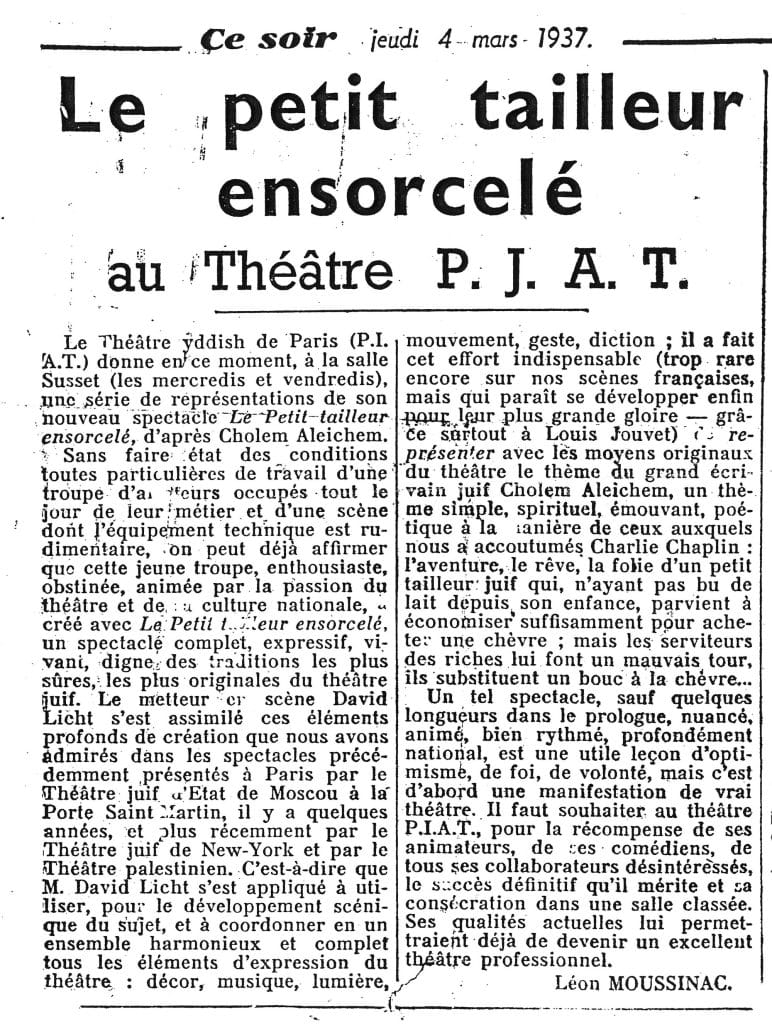
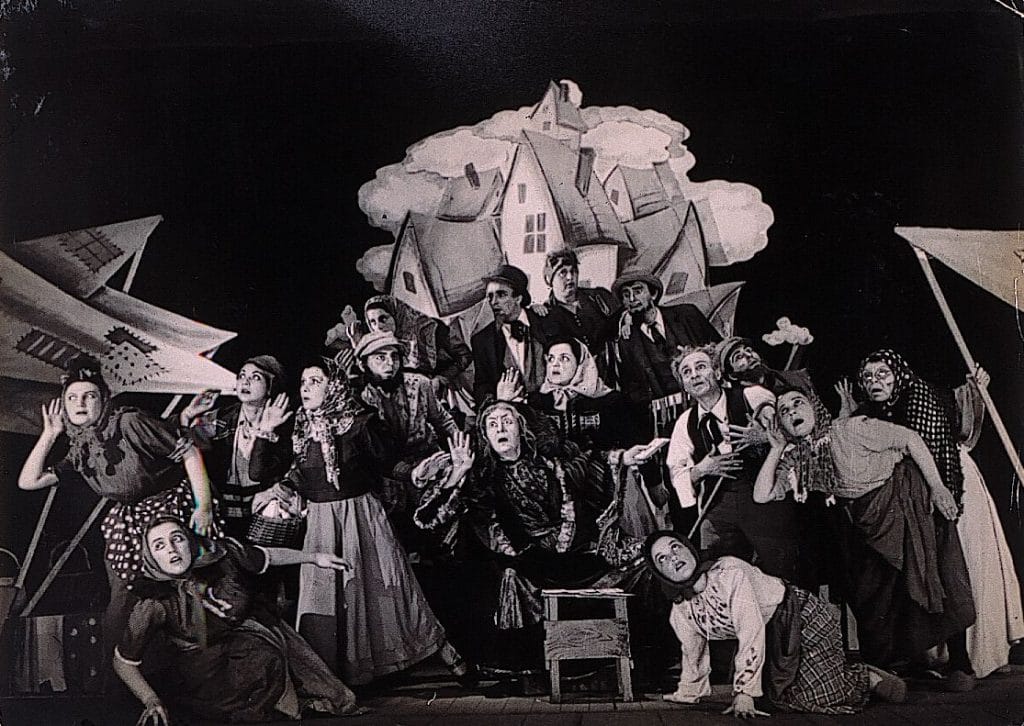
Many theater companies were founded in the 1920s. In 1934, the Pariser Yidisher Arbeter Teater (PYAT) was established: this Jewish theater on Rue de Lancry in Paris presented a full Yiddish repertoire.
Other activists lead“Patronati,” committees that provide aid to political prisoners in Poland and in Palestine under British mandate.
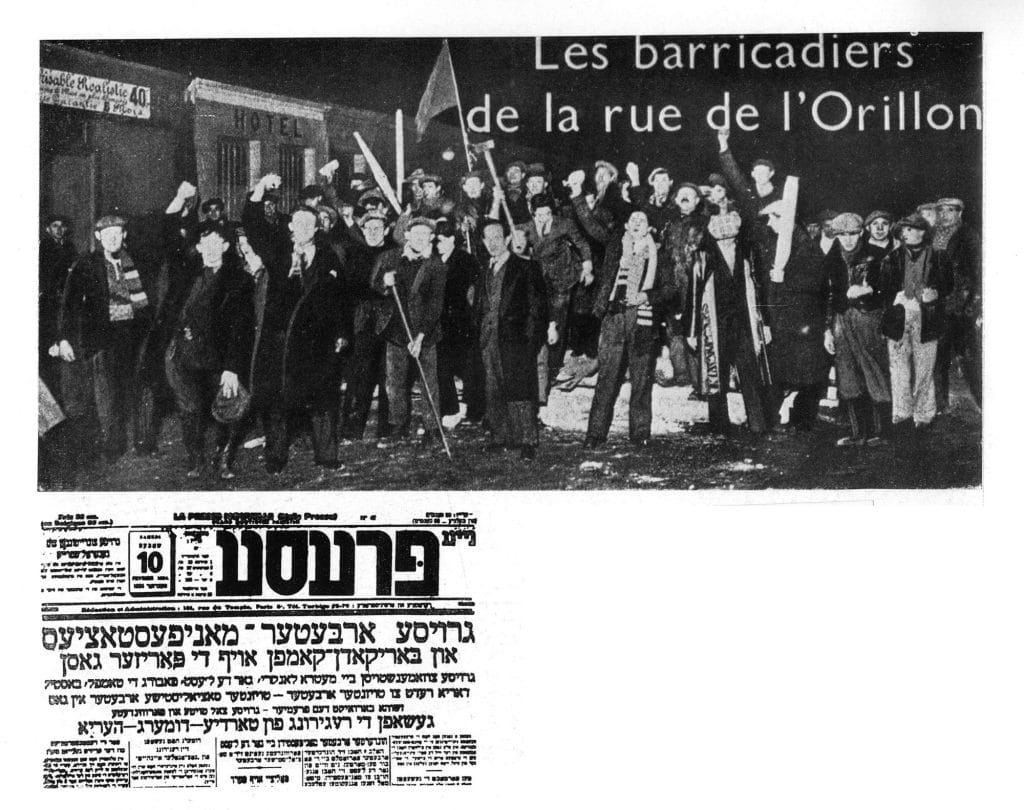
The“Friends of Naïe Presse” association distributes the newspaper, supports it, and maintains ties with its readership.
In addition, the“Jews’ Women’s Movement Against Fascism and War”was founded in 1935.
Reference:
Simon Cukier, Dominique Decèze, David Diamant, Michel Grojnowski, 1987, Revolutionary Jews, Messidor/Éditions Sociales