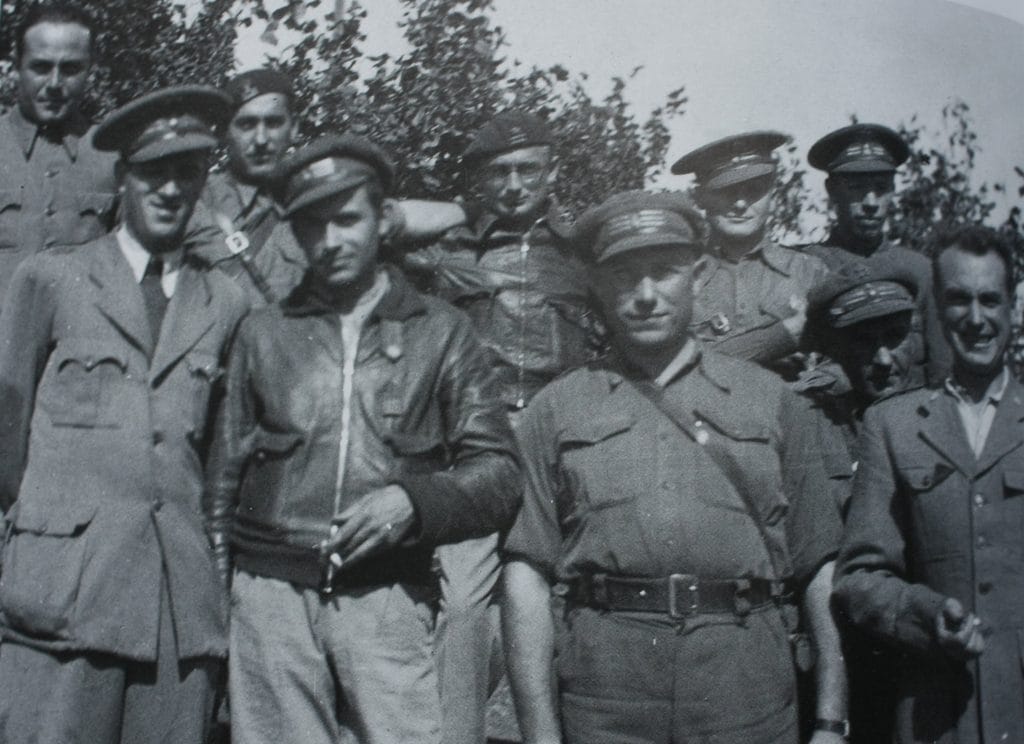
During the Spanish Civil War, on December 12, 1937, a company of the International Brigades (formed to come to the aid of the Spanish Republic, which was in danger) took the name Naftali Botwin, in tribute to a young Polish Jewish activist who was executed by firing squad in 1925. This specifically Jewish company highlights the participation of Jews from Eastern Europe in the anti-fascist struggle in Spain.
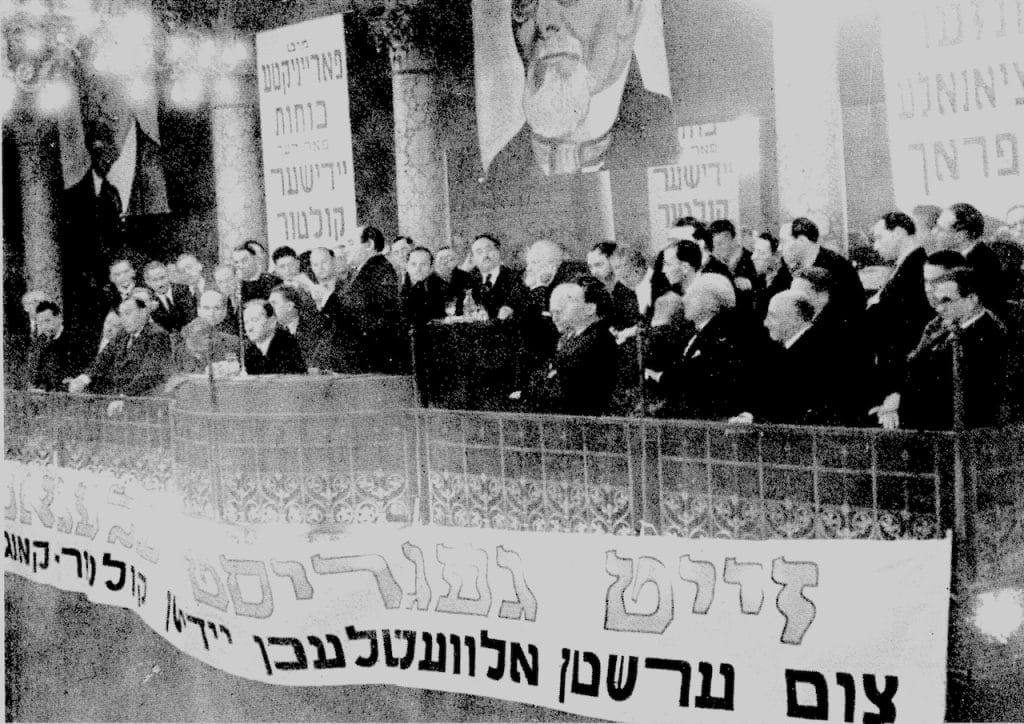
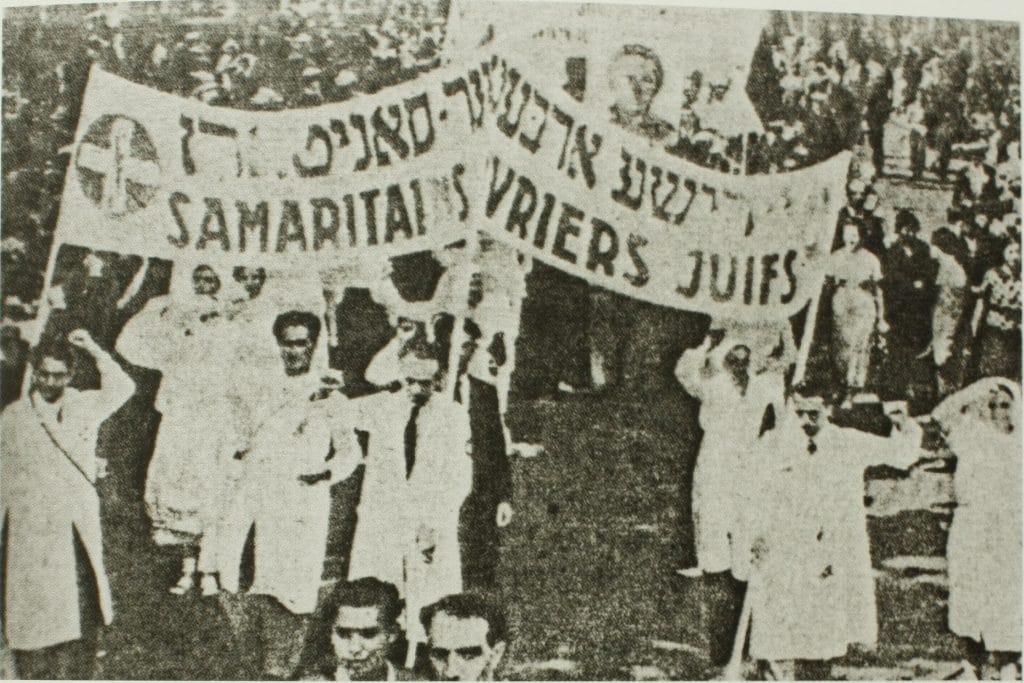
Approximately 6,000 to 8,000 Jews, originally from Eastern Europe, joined the International Brigades—driven by democratic ideals—which had been formed to come to the aid of the Spanish Republic, which was under threat from the Nationalists.
Jews, who had fought against fascism in their various countries of origin, were acutely aware of the danger that General Franco’s offensive posed to them. They were also aware that the fate of Europe was at stake in this civil war. They fought in various units, but Yiddish-speaking Jews wanted to create a specific military unit to express their solidarity in the struggle.
On December 12, 1937, the Second Company of the Dombrowski Brigade was renamed the Naftali Botwin Company, in honor of a young Polish Jewish activist: On July 28, 1925, in Lvov, Naftali Botwin shot and killed an informant for the secret police who had infiltrated the Communist Party. During his trial, Botwin pleaded guilty. He was executed by firing squad on August 6, 1925.
The “Botwin Company” adopted the motto: “For our freedom and yours” and published, among other things, a Yiddish-language newspaper titled *Botwin*. The military might of the fascist coalition (Spain, Italy, Portugal, and Germany) was overwhelming. “The Botwin” was largely decimated during the February 1938 offensive in Extremadura. Karl Gutman, its first commander, was killed in action. Emmanuel Mink would be its last commander before the fall of the Spanish Republic on September 21, 1938.
The members of the brigades, survivors of the conflict, were interned in camps in southern France; the Jews were subsequently deported to extermination camps by the Nazis and their French collaborators.
Most Jews who had survived the Holocaust continued the fight against fascism in the Resistance. In France, they were particularly active in the Jewish section of the M.O.I.
Reference:
– Diamant, David, 1979, Jews in the Spanish Republican Army, Ed. Renouveau.
– Wuzek-Gruszow, Larissa, and Wuzek, Efraïm, 2012, The Botwin Company: Jews in the Spanish Civil War, Syllepse.