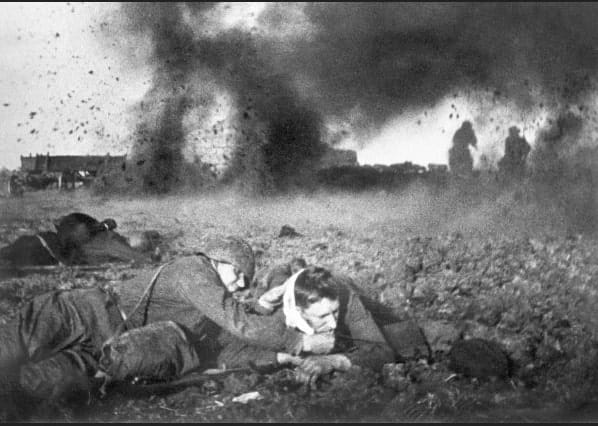
(October 1941 – January 1942)
The Battle of Moscow encompasses the fighting to capture Moscow between October 1941 and January 1942. It began with the German offensive (Operation Typhoon) and ended with the Soviet counterattack in December. It was one of the major turning points of World War II on the Eastern Front, along with the subsequent battles of Stalingrad and Kursk.
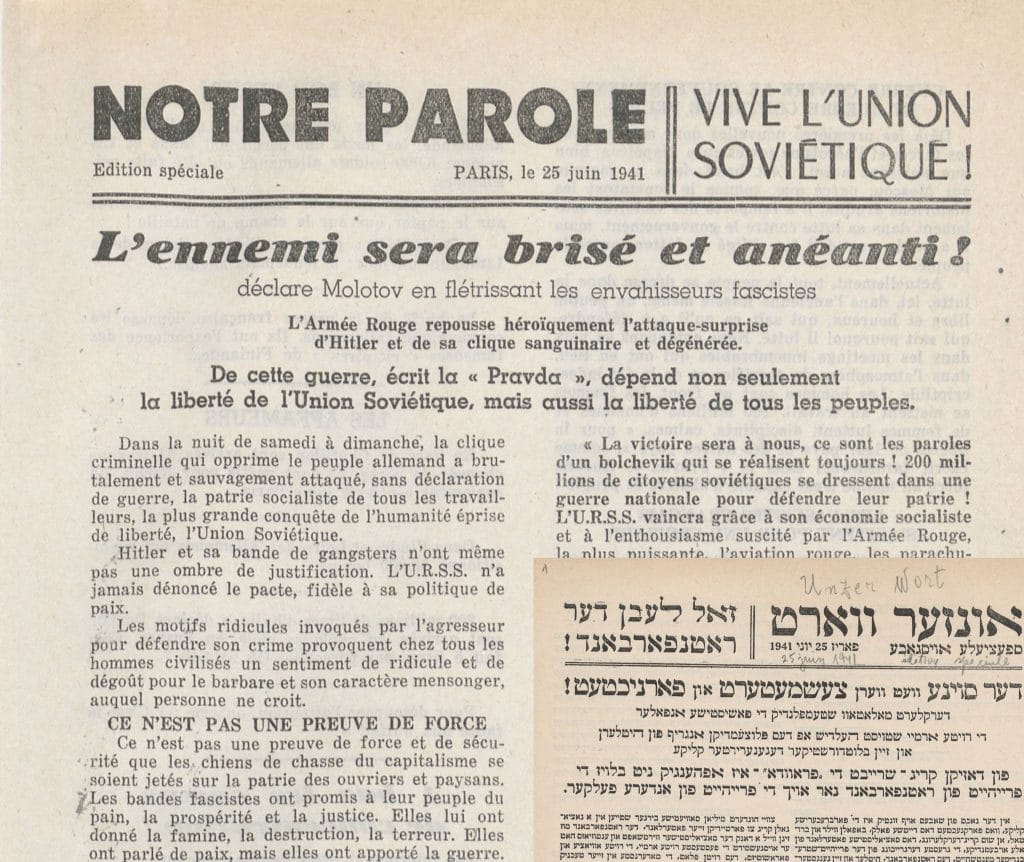
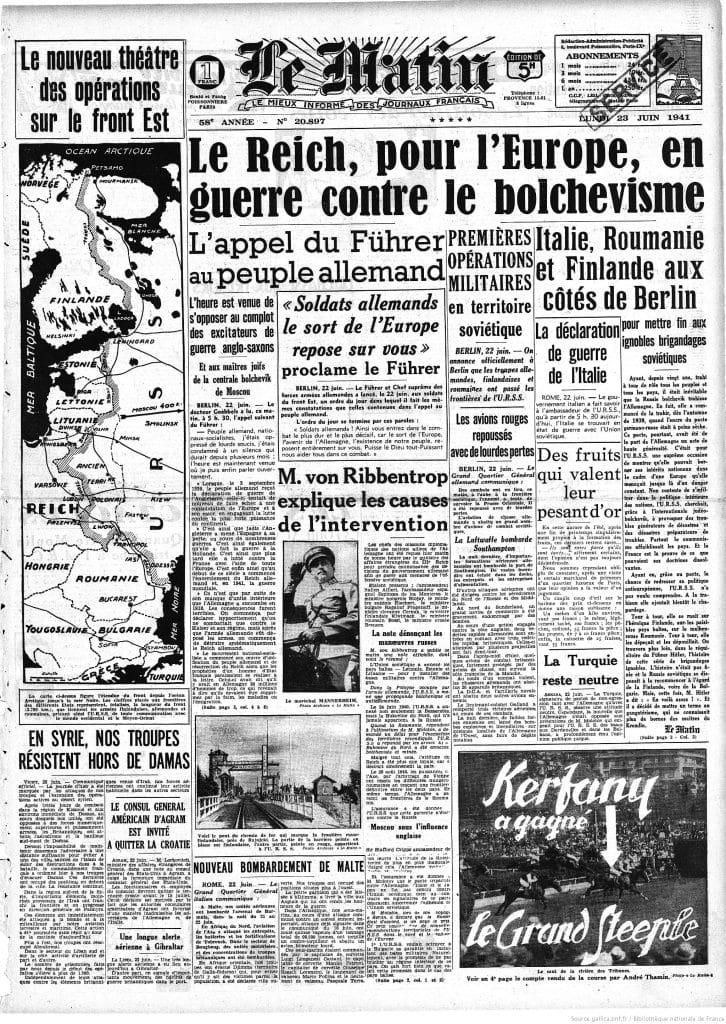
In planning Operation Barbarossa against the USSR, Hitler and his generals anticipated a short war, underestimating the capabilities of a Red Army that had been decimated by Stalin’s purges of 1937 and had performed poorly during the Winter War. After June 22, 1941, the German army advanced deep into the east, and the Red Army suffered enormous losses.
By August, the Germans had occupied Smolensk, but Soviet Resistance around the city continued until September 10, slowing the Nazi advance. Upon capturing Moscow, Hitler still believed that the German army would end the war before winter. On October 2, 1941, the Germans launched their final offensive toward the Soviet capital (Operation Typhoon), with nearly one million men, 1,700 tanks, and 14,000 artillery pieces. The Soviets fielded exhausted troops: 1,250,000 men, 1,000 tanks, and 7,600 artillery pieces. Because they had not been put on alert, the Soviet air force was virtually wiped out on the ground during the first days of Operation Barbarossa.
However, the Soviet forces did not surrender, which reduced the German offensive potential—which had already been severely hampered by the raspoutitsa (the mud season). In this context, the 4th Panzer Division, bogged down in the mud, fell into an ambush dominated by the new Soviet T-34 tanks, which were more maneuverable in the mud.
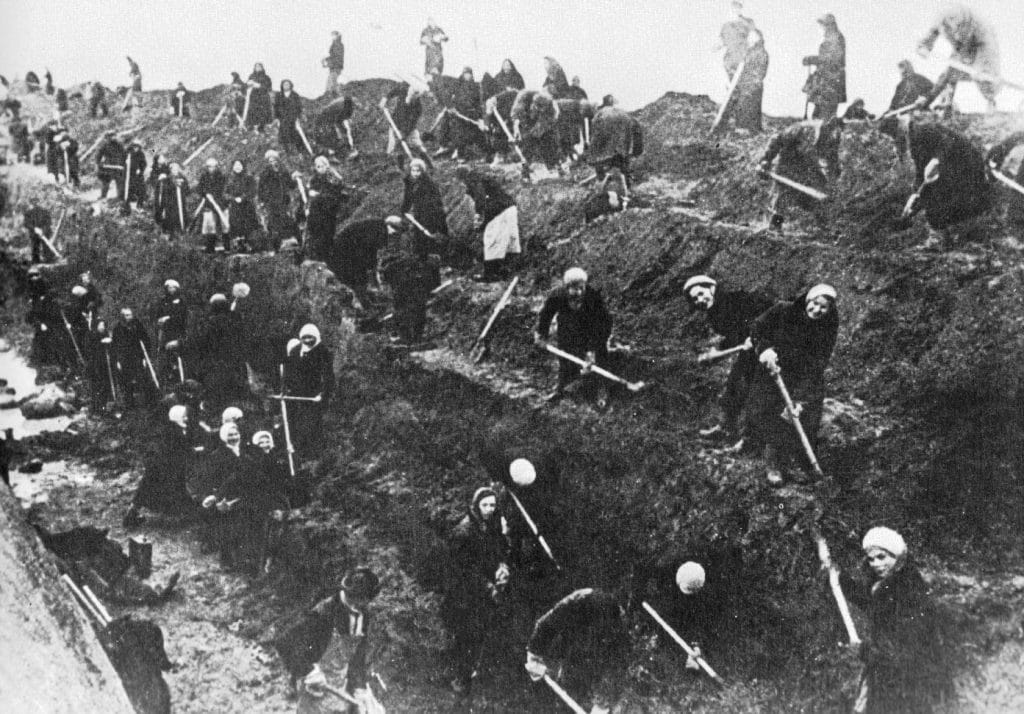
Meanwhile, Moscow was fortifying its defenses. 250,000 women and teenagers dug 8,000 km of trenches and anti-tank ditches. After November 15, temperatures plummeted to -30 °C. German soldiers had not been provided with winter clothing by a general staff stubbornly clinging to the illusion of an autumn victory.
In late September 1941, Soviet spy Richard Sorge claimed that Japan would not attack the USSR. The Red Army then redeployed some thirty Siberian divisions, which, on December 5, 1941, reoccupied the inner suburbs of Moscow. The German front was breached. In March, when the Soviet counteroffensive ended, the Nazis realized that Operation Barbarossa had failed and that the war would be a long one.
Reference:
Lopez, Jean, and Otkhmezuri, Lasha, 2019, *Barbarossa. 1941. The Total War*, Paris: Éd. Passés composés.