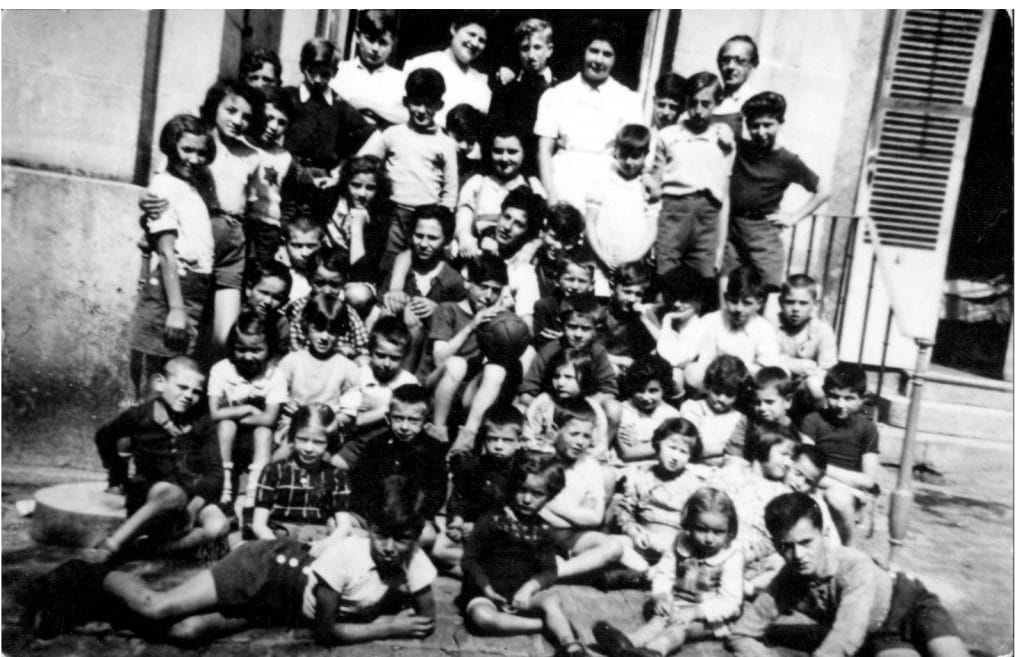
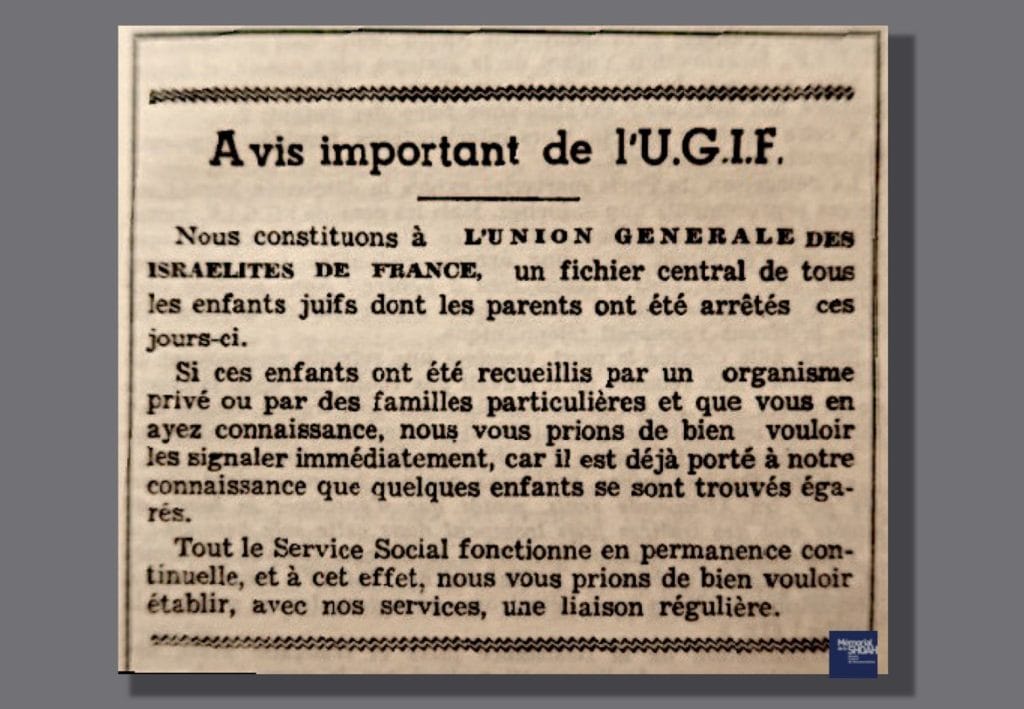
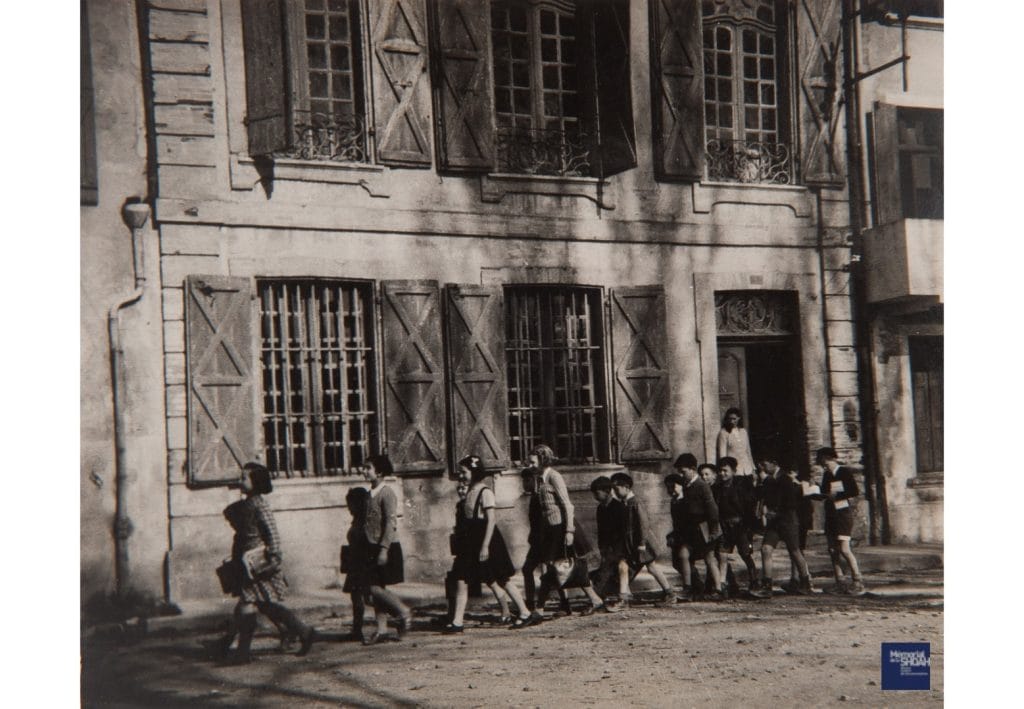
Following the mass roundups of foreign Jews in the southern zone, Joseph Bass—known as Monsieur André, a Jew of Russian origin who had escaped from the Vernet internment camp—joined the group of Resistance fighters at the Musée de l’Homme in Marseille and devoted himself to rescuing Jews.
The “Service André” (also known as the Action Group Against Deportation or the André Network), founded in late 1942, produced false documents and organized the hiding of many Jews. In the early days of the group’s activities, Joseph Bass financed the organization out of his own pocket. The Joint, an American Jewish relief organization, subsequently took over.
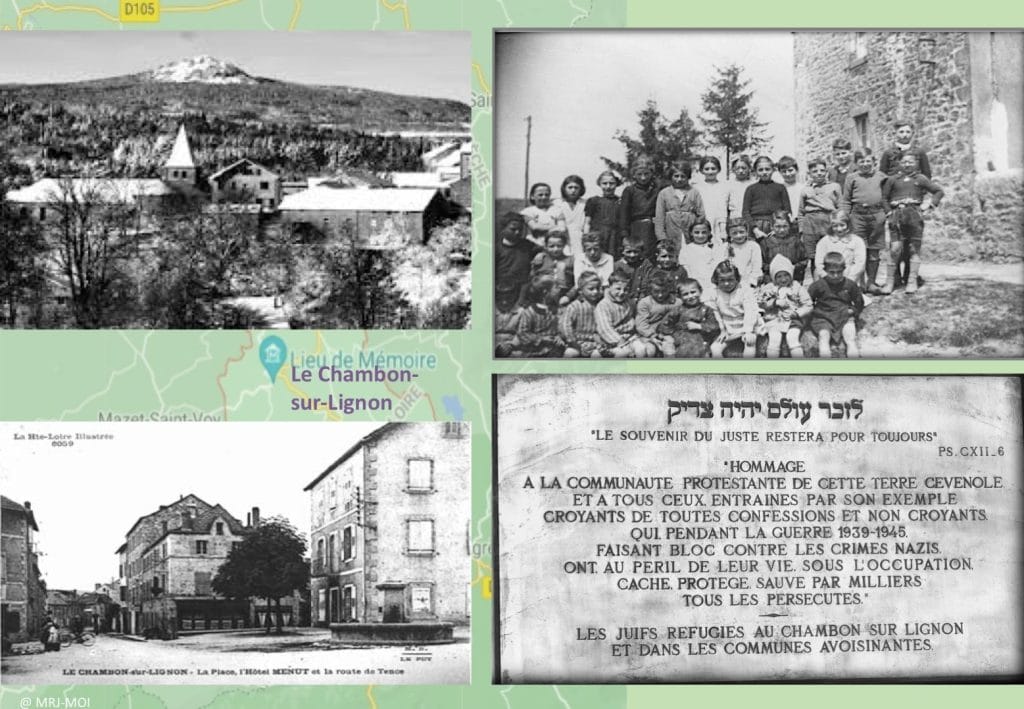
With the help of Pastor André Trocmé—recognized as “Righteous Among the Nations” in 1971—Joseph Bass set up an escape route to the village of Le Chambon-sur-Lignon. This escape route later extended to Aix-en-Provence, Avignon, Orange, Nîmes, Nice, and Cannes.
Following the roundups at the “Vieux Port” in Marseille, the organization’s headquarters were moved to the heart of a working-class neighborhood in Saint-Étienne, to a café-restaurant that historian Léon Poliakov would immortalize under the name “L’auberge des musiciens.”
The “André Service” is also expanding its military operations.
Beginning in June 1943, Mr. André established a Jewish Resistance group on the Chambon-sur-Lignon plateau with the help of the Jewish Army, a Resistance organization made up of young Zionists that was very active in the south of France.
These maquis fighters, along with FFI Resistance fighters, attacked a German column and forced it to surrender. This action led to the liberation of Le Puy-en-Velay on August 22, 1944, and subsequently to the liberation of the entire Haute-Loire department.
Reference:
Loinger, Georges, 2010, *Jewish Resistance During the Occupation*. Albin Michel.