The “Righteous Among the Nations” are the non-Jewish men and women who, at the risk of their own lives, protected or hid Jews during World War II.
Beginning with the large-scale roundups of 1942 (in Paris and in the southern zone, known as the “Free Zone”), which outraged the French people, solidarity with the persecuted Jews emerged among certain individuals, families, and villages, as well as within Resistance networks. Those who “risked their lives to save Jews selflessly” are honored by the State of Israel, which, since 1953, has officially awarded the title of “Righteous Among the Nations” to more than 4,000 people in France and 27,000 in Europe.
The term “Righteous” is borrowed from Judaism; in this context, it refers to any non-Jewish person who embodies justice in the face of Nazi anti-Semitic crimes.
In Jerusalem, a section of the Yad Vashem memorial site dedicated to the Shoah pays tribute to the “Righteous.”
In Paris, the Shoah Memorial and the Panthéon honor the French “Righteous Among the Nations,” who, although they represented a minority of the population, nevertheless helped to significantly reduce the number of Jews in France who were exterminated.
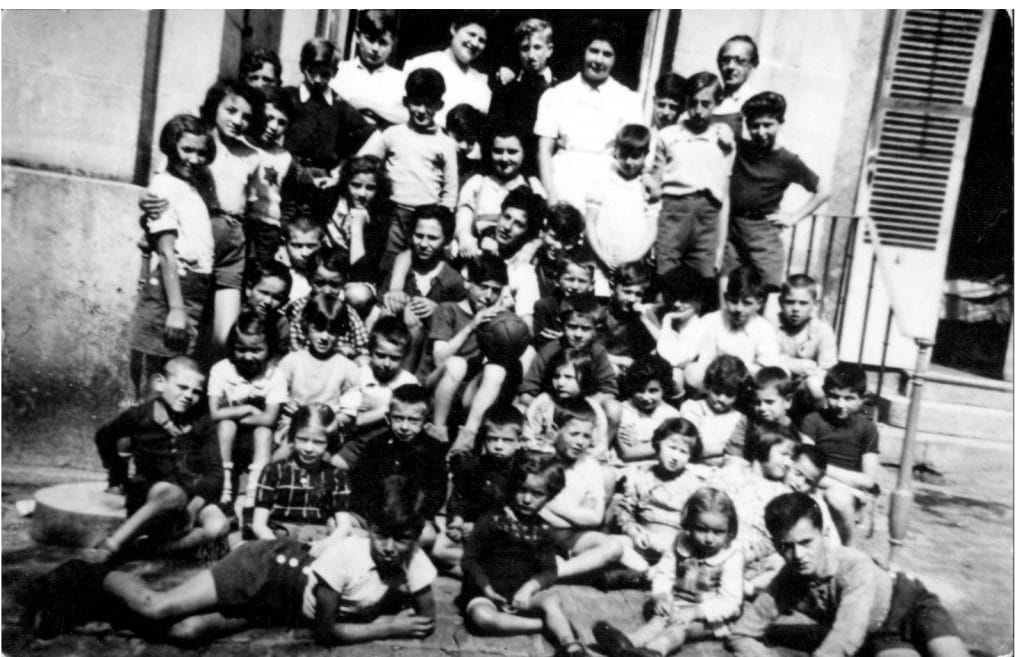
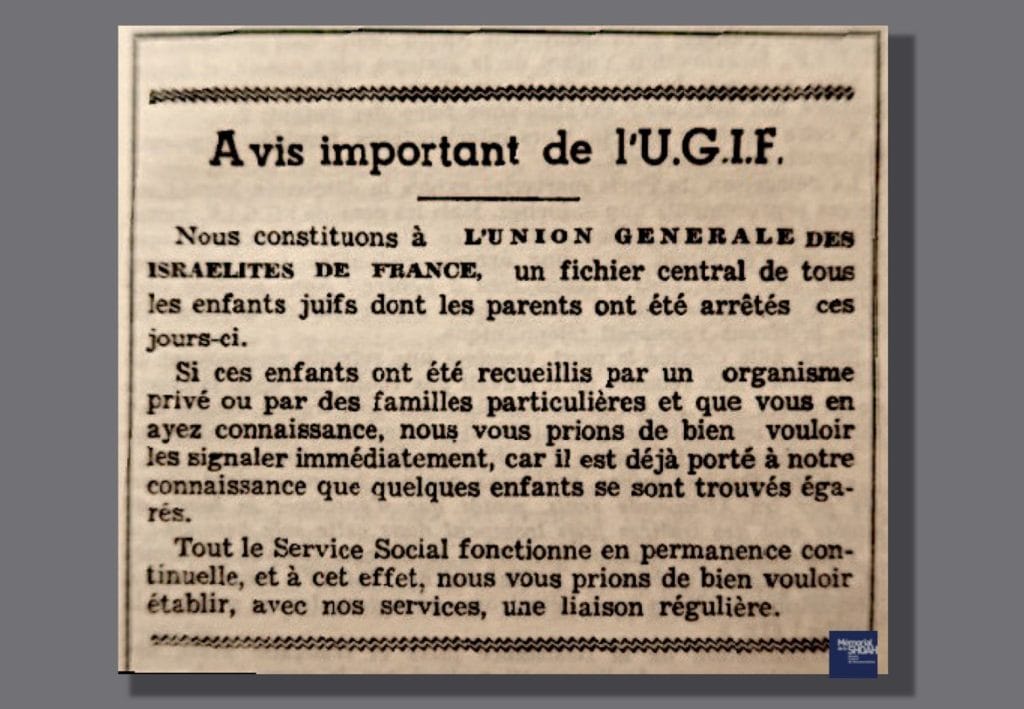
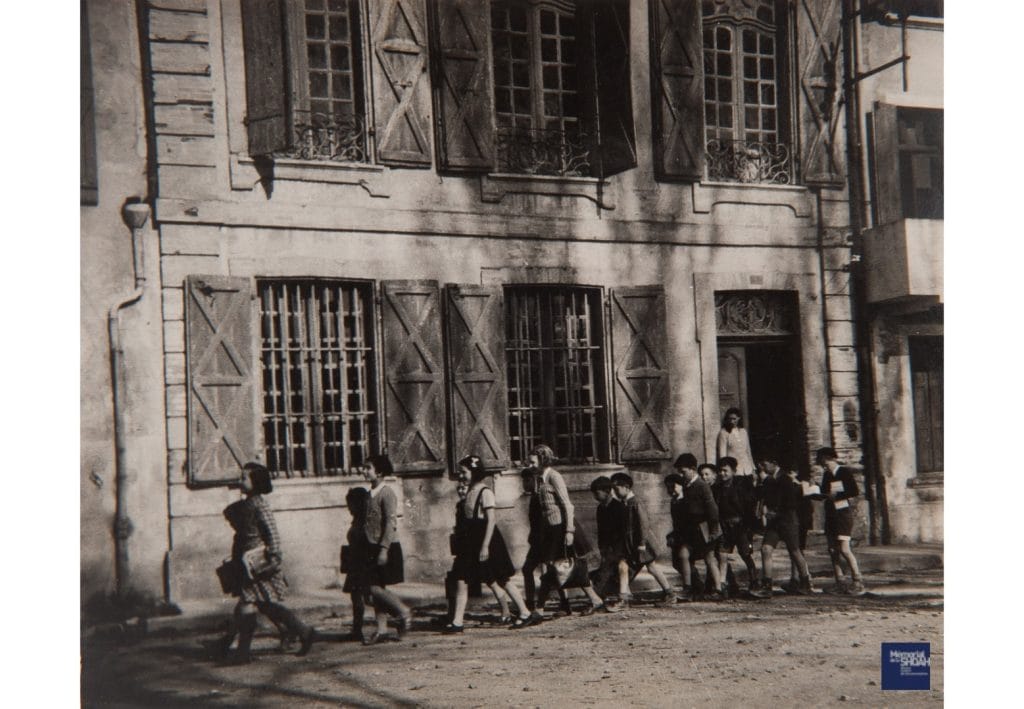
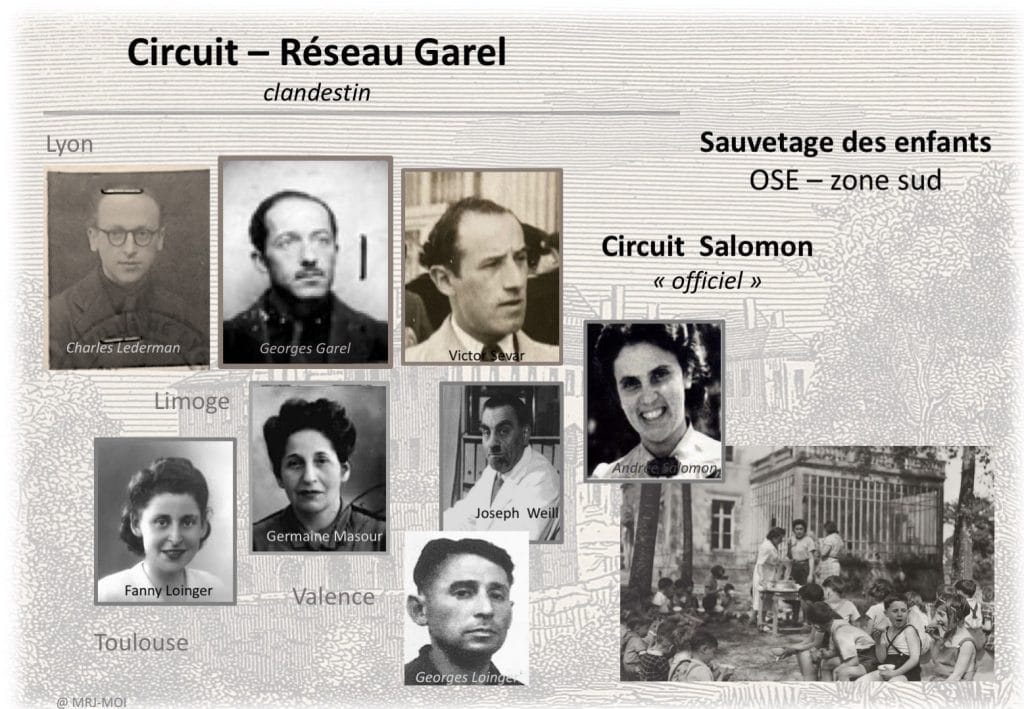
Alongside individuals, non-Jewish organizations (Catholic, Protestant, and secular) established rescue networks and protected Jews—especially children. They often worked in cooperation with Jewish organizations.
Whether in groups, with their families, or alone, the “righteous” do not hesitate to put themselves in danger.
Jews—and primarily Jewish children—were “hidden” throughout France. Host families were recruited by Resistance organizations and movements from among the anti-collaborationist population. Those who rescued Jews came from a wide variety of backgrounds: farmers, railroad workers, office workers, teachers—whether or not they were members of the Resistance. Before 1942, Resistance “smugglers” helped Jews reach the so-called “free zone.”
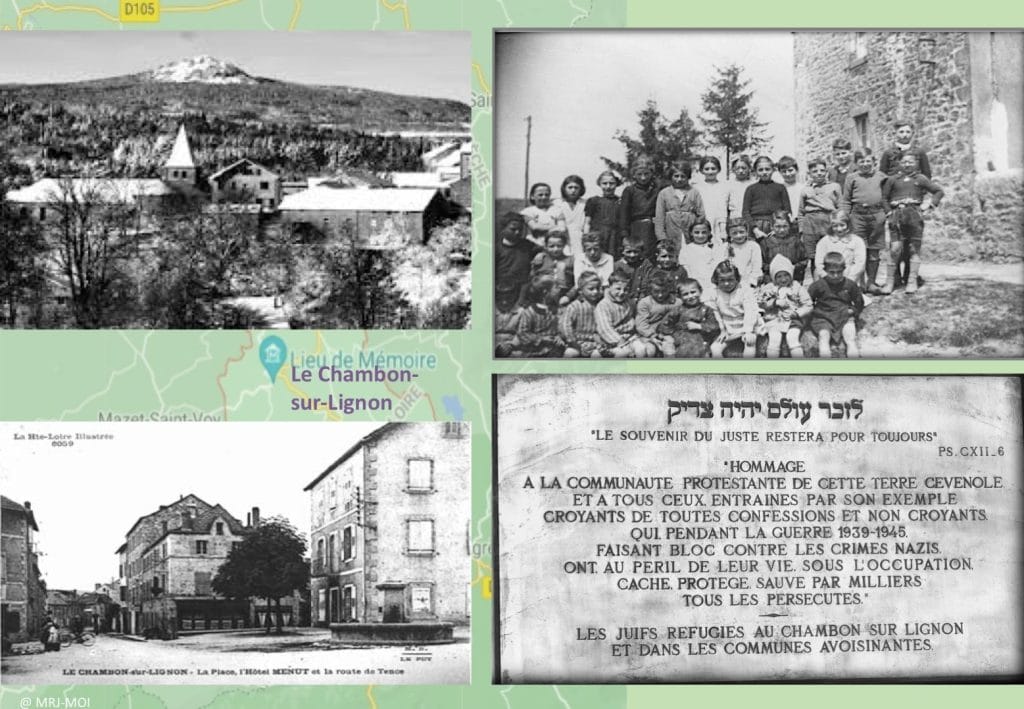
In southern France, in departments with a Protestant majority, the tradition of protection and hospitality is rooted in local solidarity. Le Chambon-sur-Lignon (in Haute-Loire), for example, has been designated a “Village of the Righteous.” The efforts of the pastors there were decisive, as they were in other communities.
A network of “Towns and Villages of the Righteous in France” brings together local governments from several regions of France that saved Jews.
Many of the “Righteous” remain anonymous, but individuals, couples, and families are honored each year. They are posthumously awarded the title of “Righteous Among the Nations.”
Reference:
Patrick Cabanel, 2012, *History of the Righteous in France*, Armand Colin