Zionism is a movement aimed at the return of the Jews to the ancient land of “Zion” (Jerusalem, the ancient capital of the Hebrew state), from which they were driven out by the Romans. The goal, for Jews who identify as Zionists, is to end the exile and establish a Jewish national homeland.
Zionism emerged in the 19th century among Jews in Central and Eastern Europe as a reaction to anti-Semitism. Returning to the biblical land of Zion after centuries of exile and persecution became a goal for many Jews. Theodor Herzl, an Austro-Hungarian Jewish journalist, was one of the first to conceive of an autonomous Jewish state and a theorist of Israeli democracy. He envisioned a state in which Jews and non-Jews would enjoy equal fundamental rights. In 1917, in the Balfour Declaration (issued by Prime Minister Balfour), the United Kingdom declared its support for the establishment in Palestine of “a national home for Jews.”
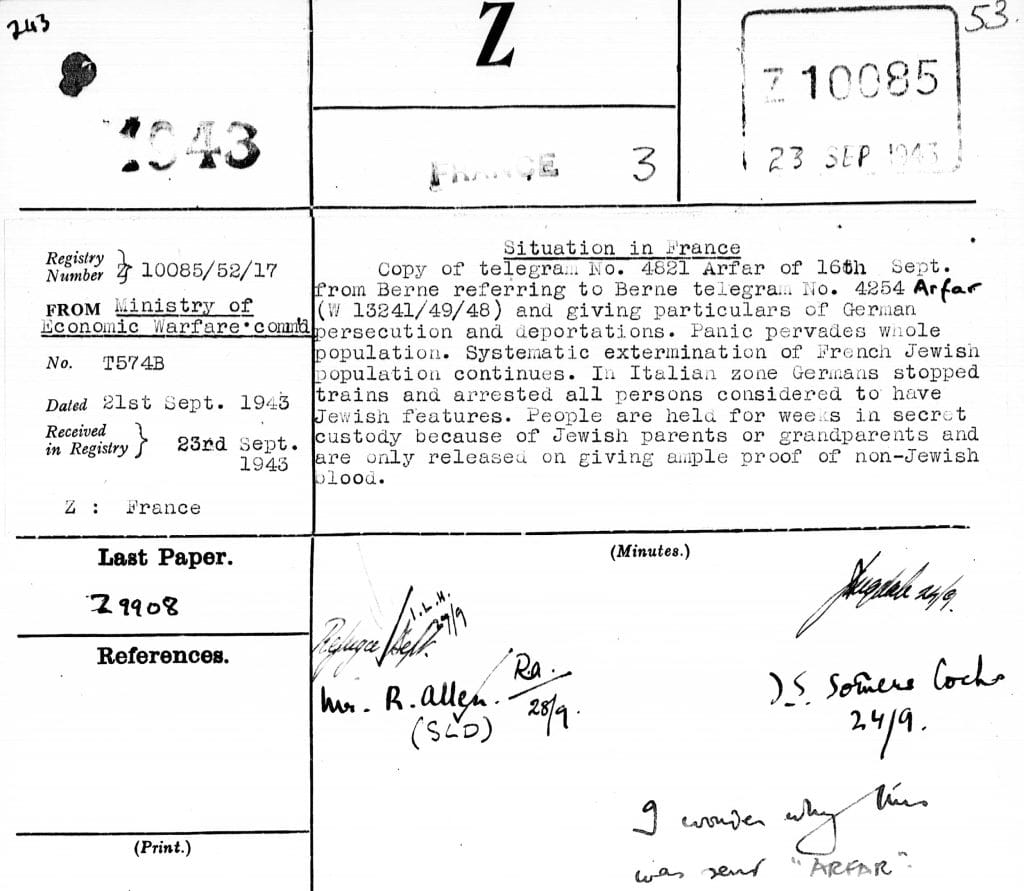
Following the collapse of the Ottoman Empire, Palestine came under British mandate in 1920. The extermination of 6 million European Jews during World War II accelerated the process of immigration for the survivors.
The partition plan, adopted by the UN after the war (one Jewish state, one Arab state), brought an end to the British Mandate and led to the creation of the State of Israel in 1948; but the Arab state was rejected by most Palestinians as well as by all the member states of the Arab League.
The first Israeli kibbutzim (kibbutzim)—communities dedicated to both production and communal living—were founded by Jews of Russian or Polish origin who belonged to the socialist wing of Zionism, and embodied a revolutionary ideal of sharing. Under the influence of Israel’s liberal economic policies, they are gradually disappearing.
At the same time, the Israeli-Palestinian conflict is becoming entrenched, with each side defending a cause it believes to be just. Peace in this region is never lasting.
So-called “left-wing” Zionism advocates for a two-state solution within secure borders for both states.
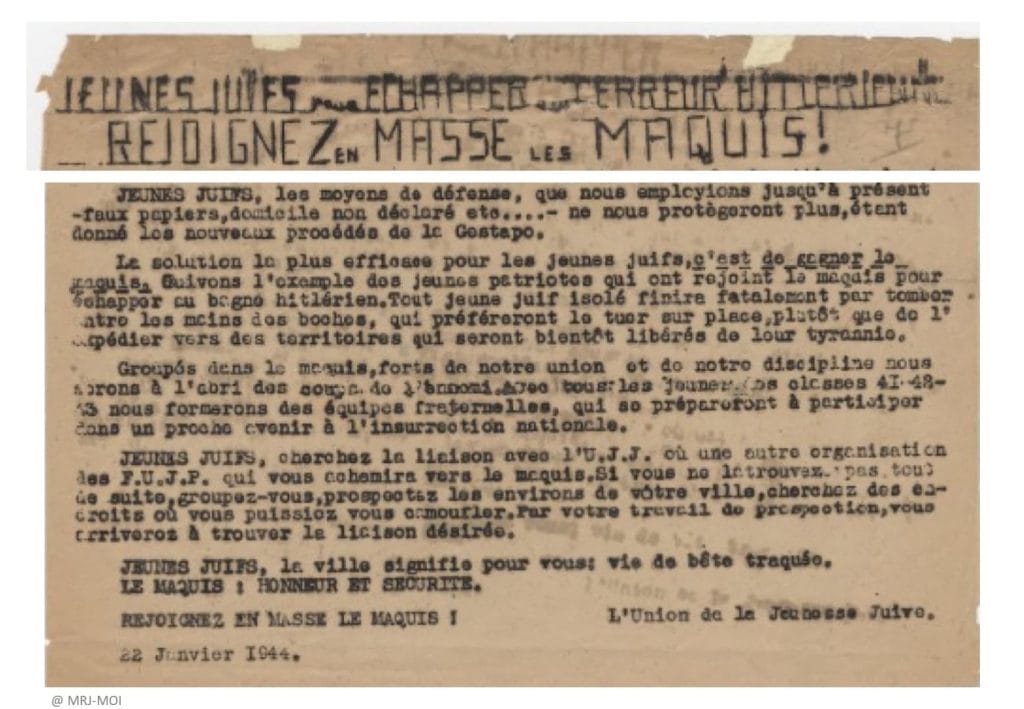
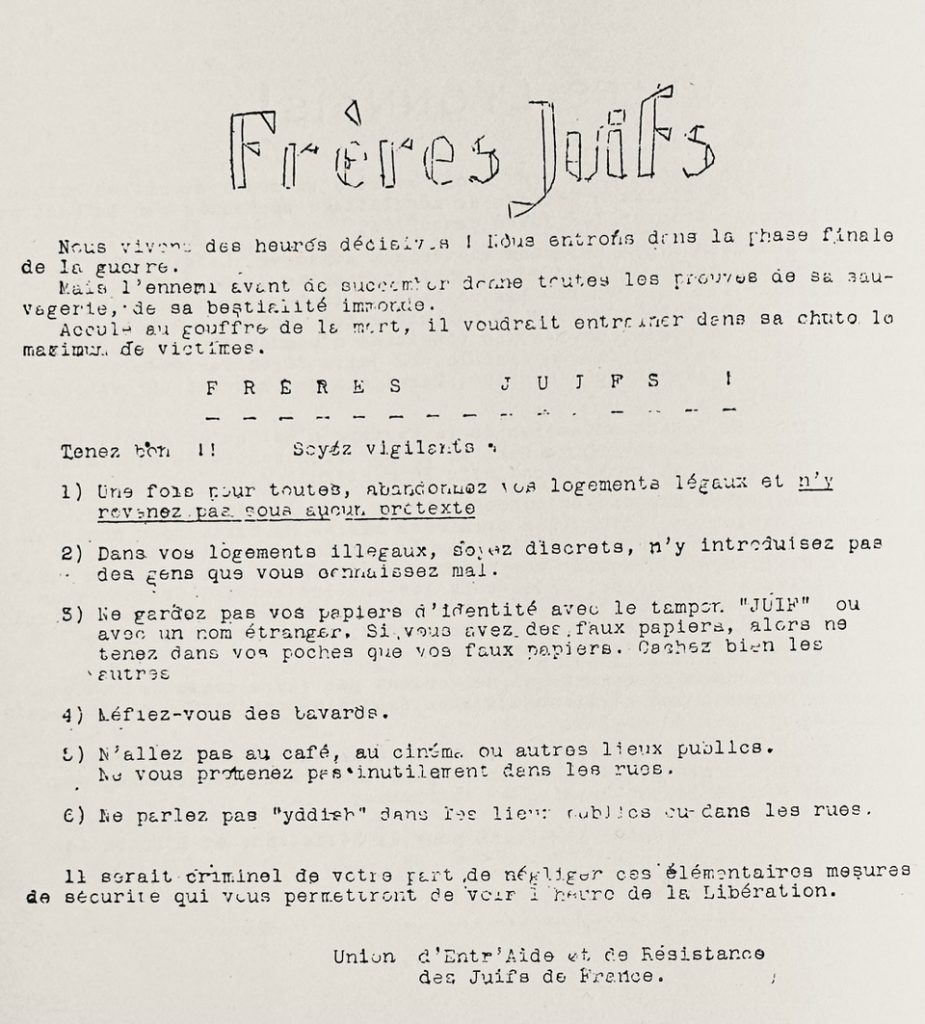
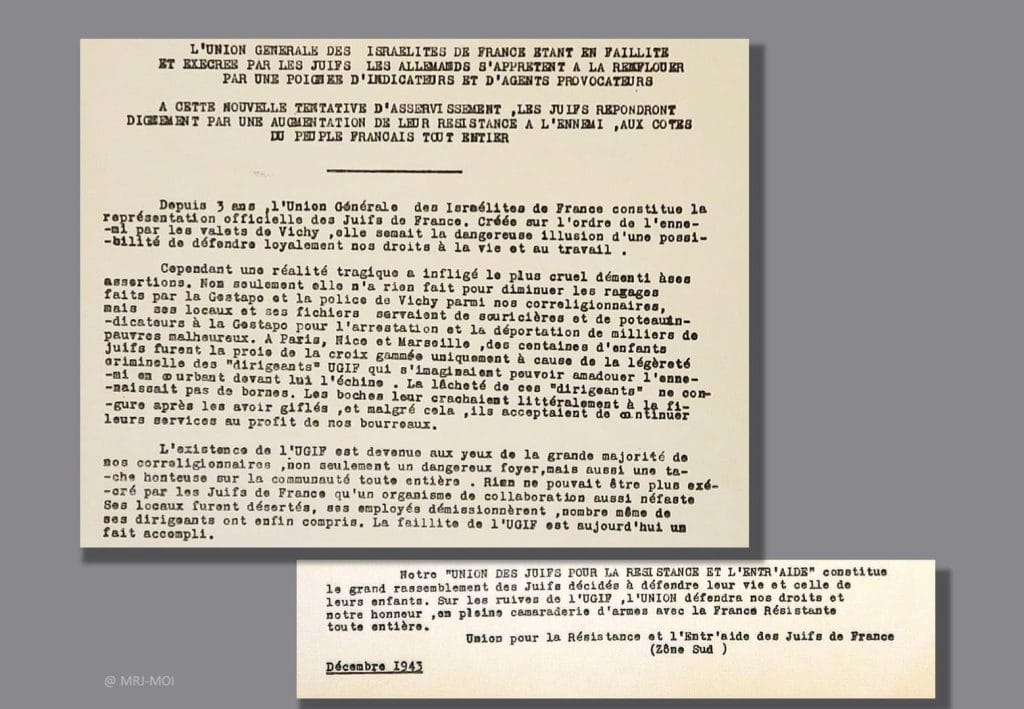
In France, in 1944, the Resistance fighters of the clandestine Jewish section of the M.O.I. did not support the Zionist project, but as Liberation approached, they longed for the restoration of the Republic and for peace. Activists from the Union of Jews for Resistance and Mutual Aid (UJRE) supported the creation of the State of Israel in 1948 but defended—and continue to defend—their universalist democratic convictions.
The term “Zionism” is a source of confusion and encompasses several different realities.
- Nowadays, it is commonly used by opponents of the Israeli government’s policies to refer to colonial expansionism, a concept far removed from the original Zionist project.
- Radical anti-Zionism manifests itself in the denial of the State of Israel and calls for its destruction.
References:
— Georges Bensoussan, 2002, An Intellectual and Political History of Zionism—1860–1940. Fayard.
— Theodor Herzl, 1994, *Diary 1895–1904*. Ed . Calmann-Lévy.