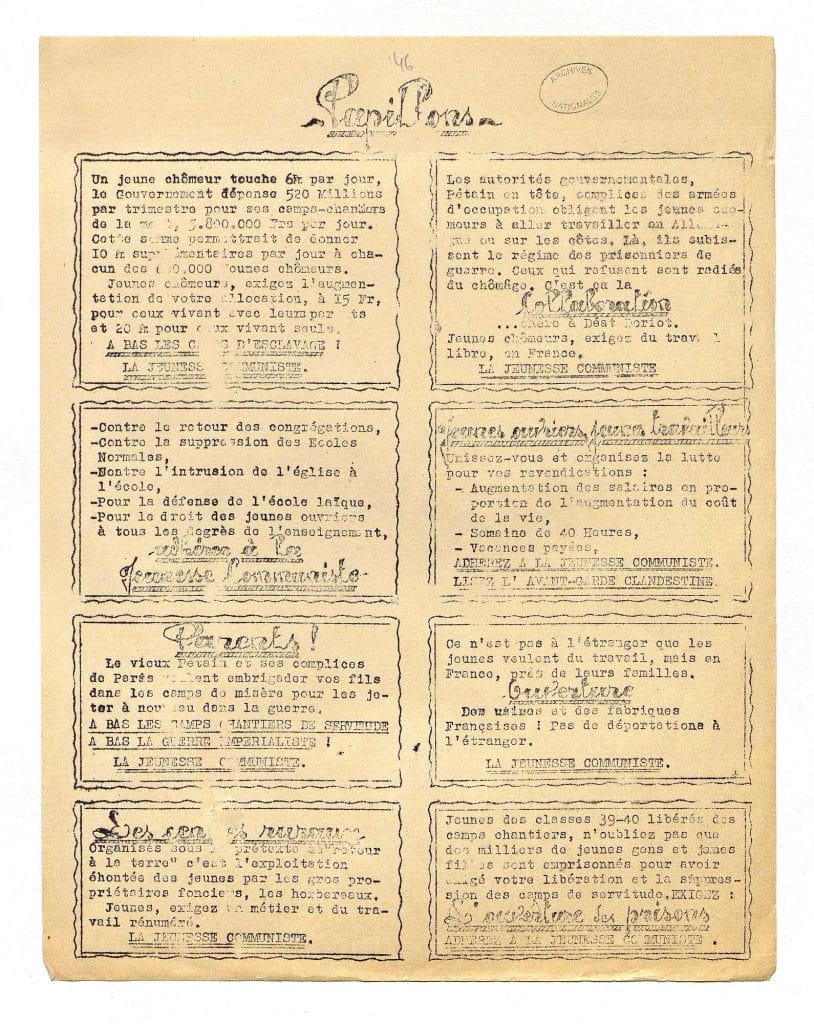
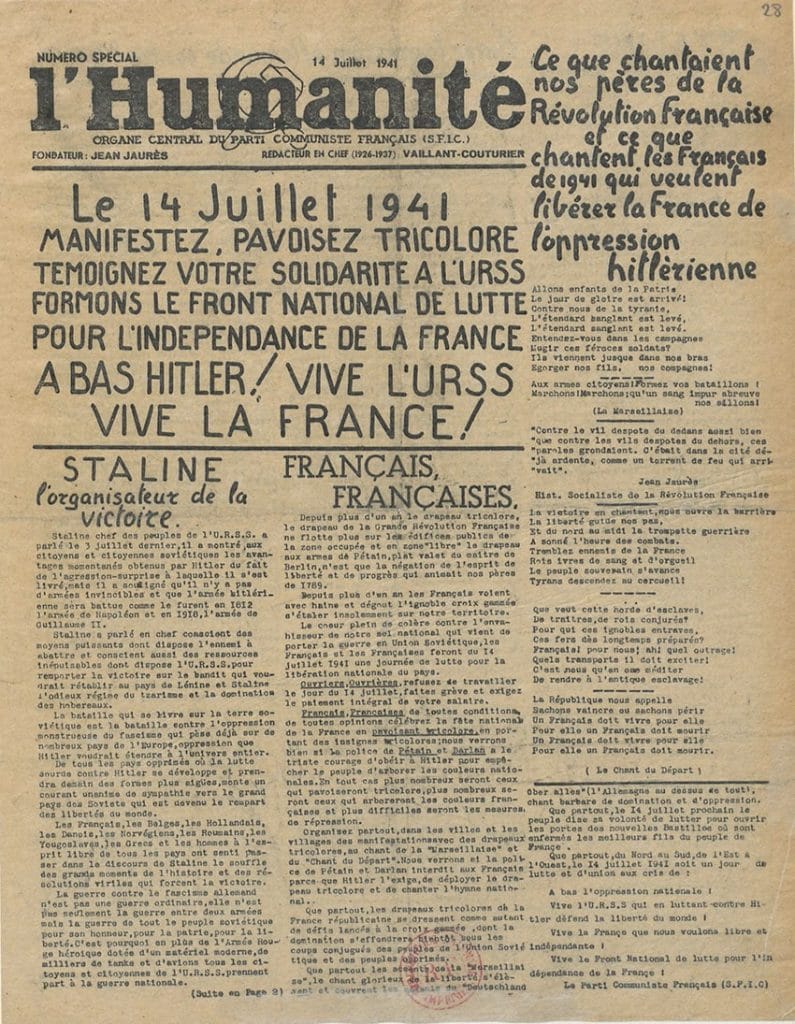
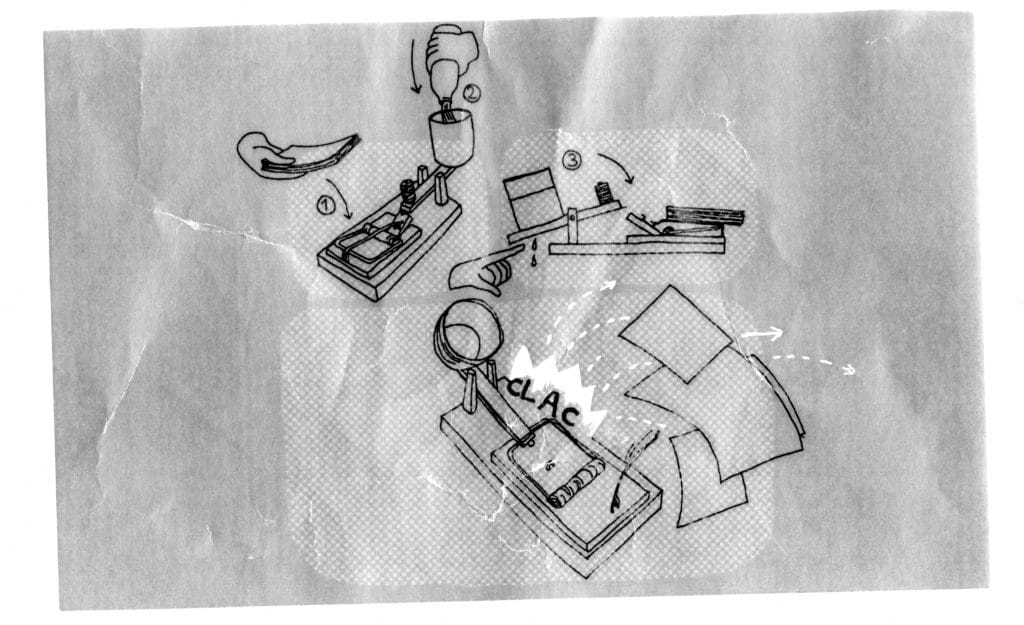
The Youth Battalions was the name given to the armed groups of the JC (Communist Youth) formed in August 1941. They were decimated by the Germans in March–April 1942. The FTP (Francs-tireurs et partisans), formed in the spring of 1942, and later the FTP-MOI, would succeed them.
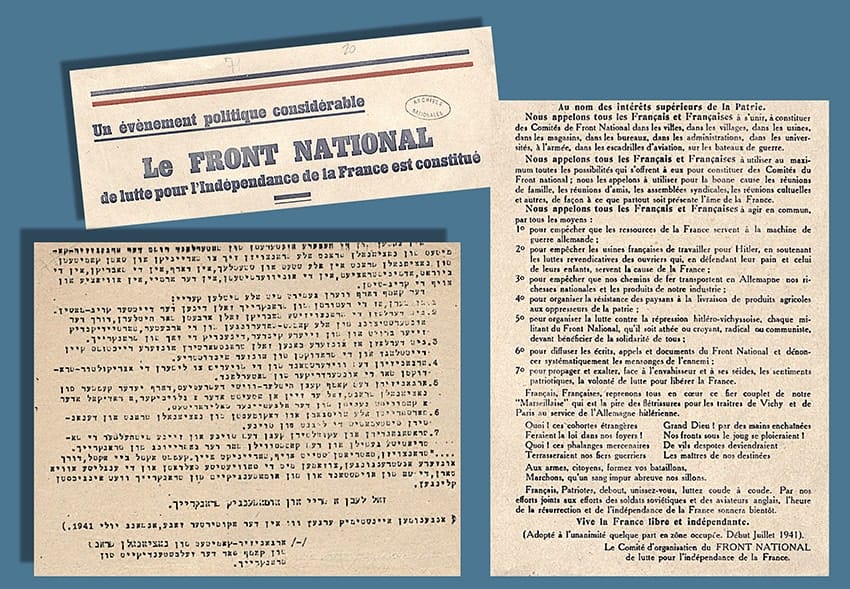
After the German army attacked the USSR on June 22, 1941, the French Communist Party, in accordance with the directives of the Communist International, set itself the goal of disrupting the operations of the German occupation army in France. In early August, the leadership of the JC (Communist Youth) focused on recruiting young people willing to engage in armed struggle.
In the working-class districts of eastern Paris, several small groups were formed under the leadership of Pierre Georges (the future Colonel Fabien) and Albert Ouzoulias (the future national military leader of the FTP), who named the armed groups of the JC the “Youth Battalions.”
In mid-August, Pierre Georges trained six very young volunteers in the use of explosives and weapons. They would carry out the first attacks (including the attack on the Barbès metro station in Paris, carried out by Pierre Georges himself) targeting German military personnel beginning on August 21, 1941.
In February–March 1942, after five months of activity, the Youth Battalions—whose combined strength never exceeded a few dozen fighters—were dismantled by the Special Brigades of the Paris Police Prefecture. Hunted down by the Special Brigades and handed over to the Germans, the Youth Battalions were decimated following two sham trials in March and April 1942 (the Palais Bourbon trial and the Maison de la Chimie trial), at the conclusion of which nearly all of the defendants were sentenced to death and executed.
Forgotten after the war, these pioneers of the armed struggle were honored with the unveiling of a memorial plaque near the National Assembly in 2003.
Among these young men who “Died for France,” Fernand Zalkinov (18 years old, member of the JC in the 20th arrondissement) and Acher Semaya (26 years old, JC in the 11th arrondissement) are recognized as FTP-M.O.I. fighters by the Ministry of Veterans Affairs.
In addition, Simone Schloss, a young Jew convicted during the “trial” at the Maison de la Chimie, was beheaded in Cologne on July 2, 1942. She was the liaison officer for Conrado Miret-Muste, the first leader of the M.O.I.’s armed groups, who was arrested in February 1942 and died under torture a few days before the start of the “trial” at the Palais Bourbon.
Reference:
Albert Ouzoulias, 1967, *The Youth Battalions*, Éditions Sociales.