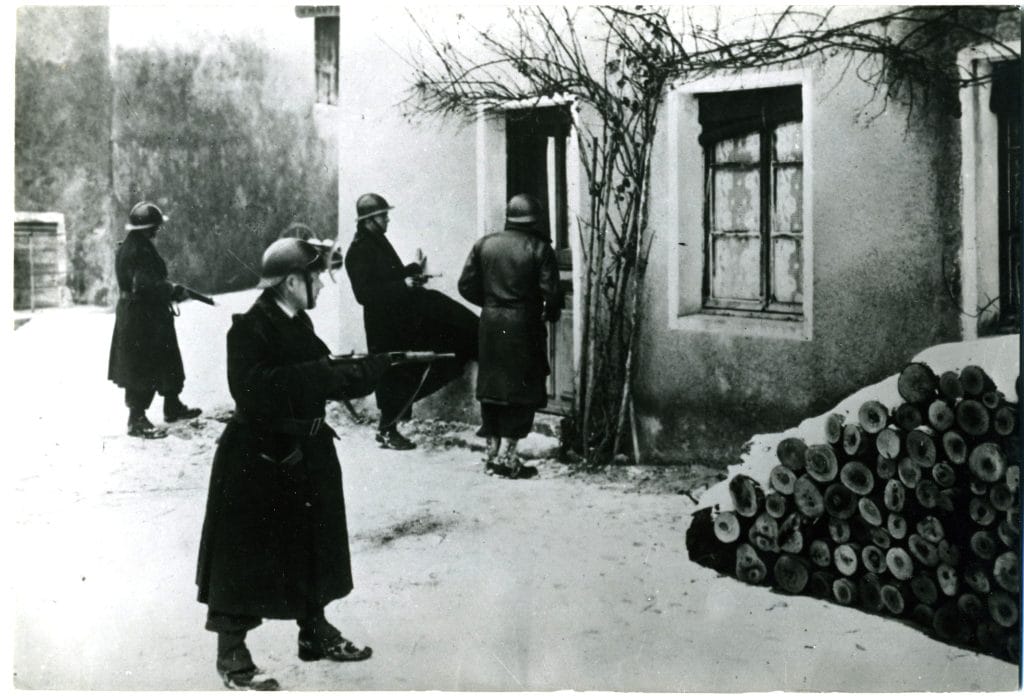
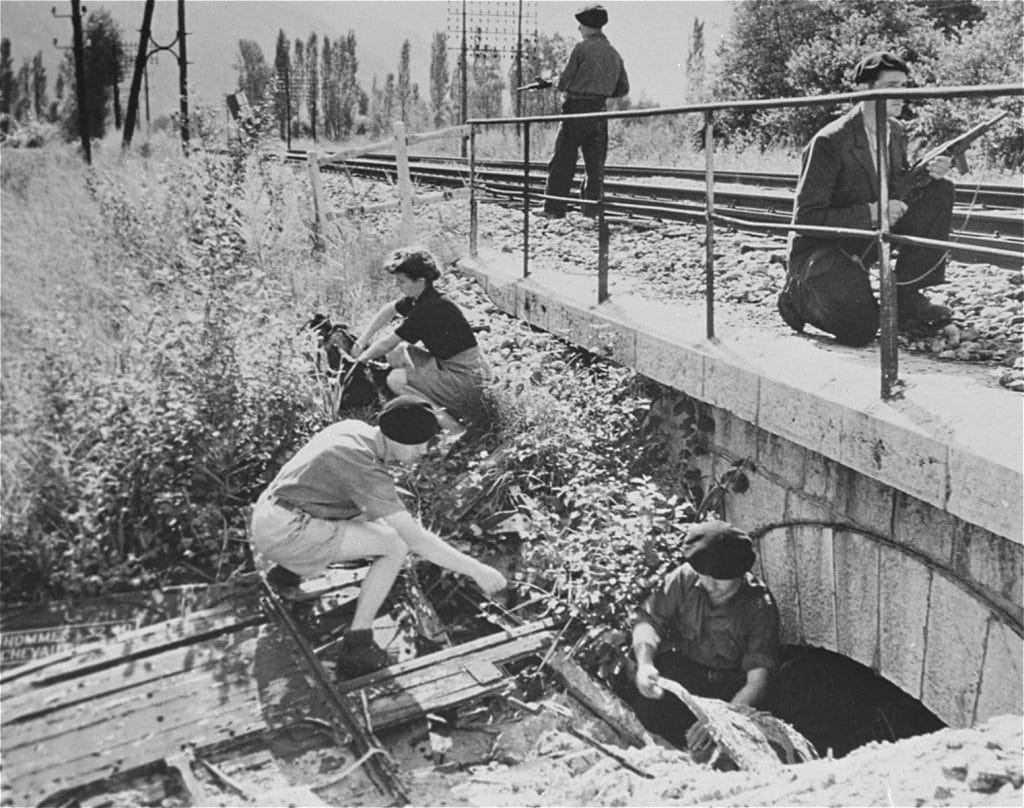
“Urban guerrilla warfare” during World War II in France was characterized by a series of harassment attacks against the enemy, carried out by members of the Resistance—primarily the FTP-M.O.I.—in urban areas. Joseph Epstein was the instigator of these actions.
The term “guerrilla” is borrowed from the Spanish Resistance, which consisted of underground groups fighting against Napoleon’s French army. During World War II, “urban guerrilla warfare”—characterized by harassment of the enemy (the Nazis and Vichy forces)—took place in cities (notably Paris, Lyon, Toulouse, Marseille, and Grenoble).
It is primarily the work of the communists. Since the invasion of the USSR in the summer of 1941, the objective set by the Communist International (an organization representing the communist countries aligned with the Soviet Union) has been to demoralize the enemy through relentless pressure. Raids, attacks, and unpredictable armed operations prevent German troops from leaving the Russian front.
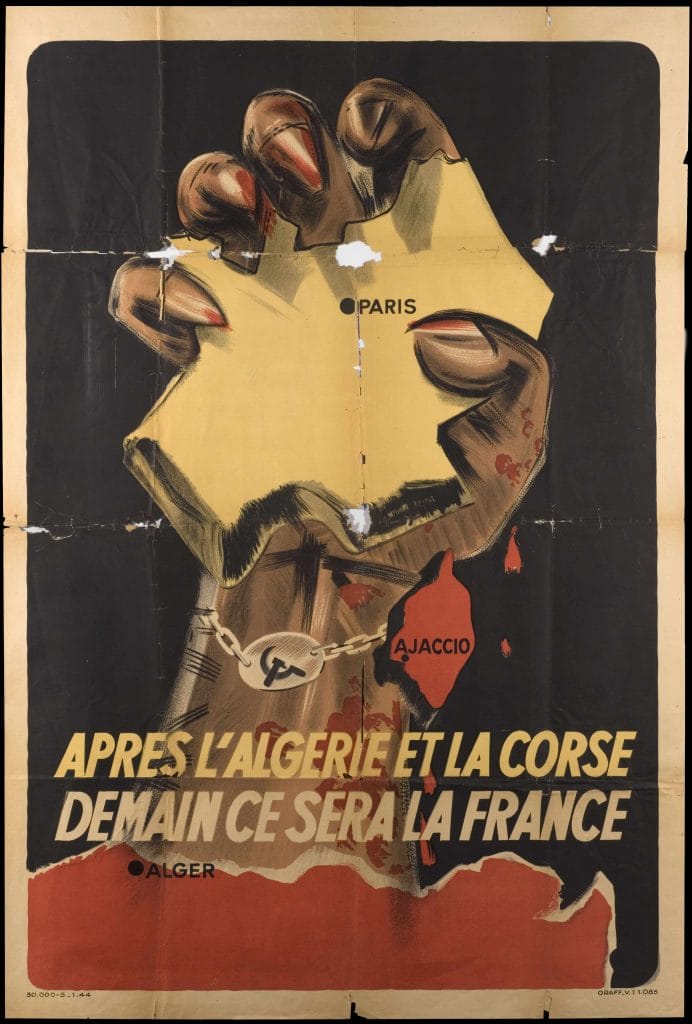
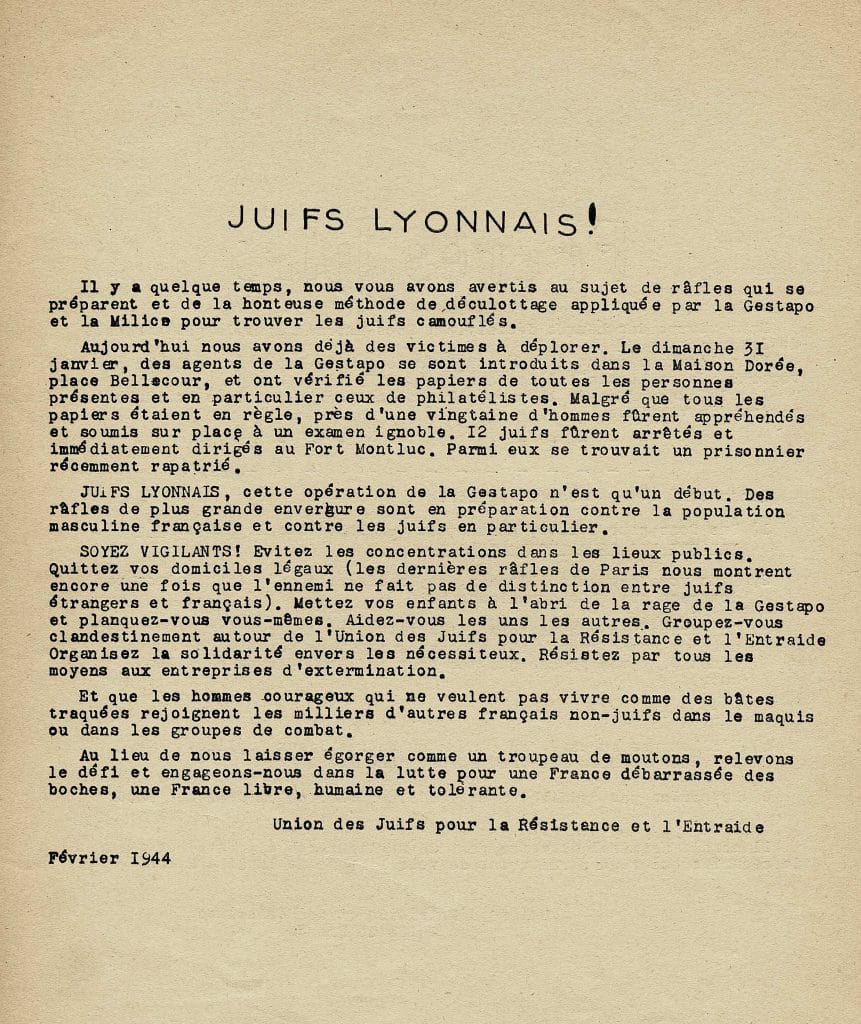
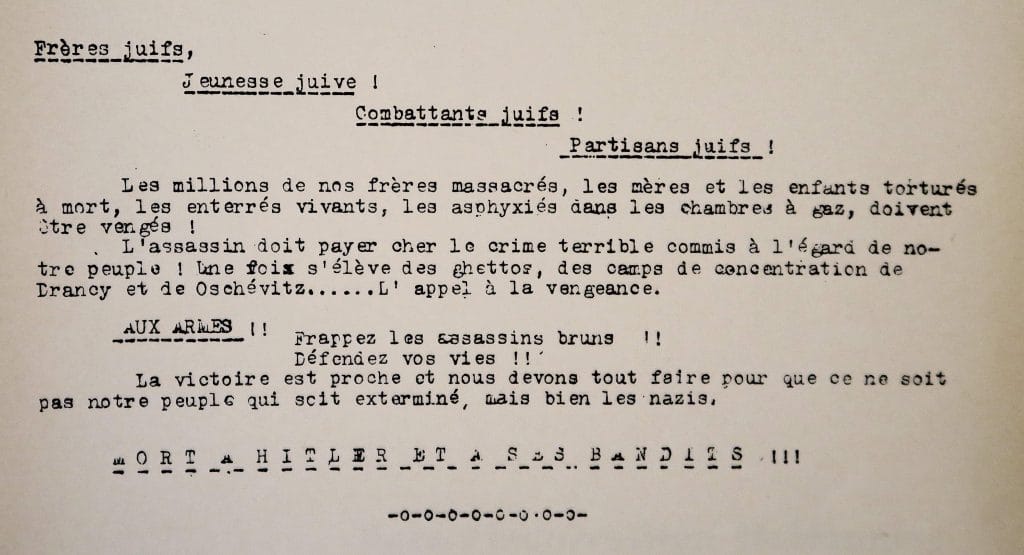
In France, urban guerrilla warfare demonstrated the Communist Resistance’s determination to respond to the executions of hostages, arbitrary arrests, and inhumane, xenophobic, and anti-Semitic treatment perpetrated by the Occupying Forces and the collaborationist Pétain regime. In particular, it targeted all places where German soldiers gathered (hotels, garages, restaurants, entertainment venues, etc.).
It was Joseph Epstein (known as “Colonel Gilles”), a Polish Jew and strategist appointed by the French Communist Party in February 1943 to lead the FTP in the Paris region, who devised the concept of “urban guerrilla warfare” in France. At the time, “groups of three” were the norm, but Epstein advocated for combat groups of 12 to 24 men, divided into several subgroups that took turns. The goal was to maximize the impact of their actions and minimize casualties. The number of men involved in these operations was limited due to the skills required and the risks involved.
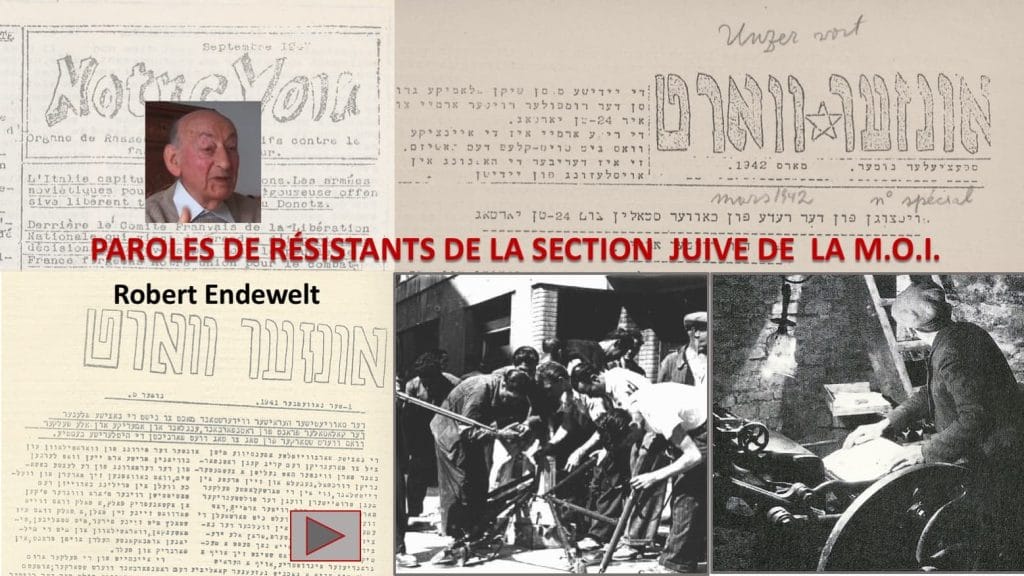
“Urban guerrilla” operations weremilitarily supervised by the FTPF and FTP-M.O.I., which operated in the form of “detachments.” The number of fighters was small (65 in Paris, 80 in Toulouse, 55 in Marseille). They are, for the most part, Jews who immigrated to Eastern Europe and who are former members of the Republican Brigades that fought for the Republic during the Spanish Civil War (1936–1939).
Furthermore, in their countries of origin (Poland, Hungary, Romania, etc.), which were already highly politicized, they gained experience living underground and fighting against fascism. They do not hesitate to put themselves in danger.
The French police, loyal to the Germans, and the Nazi occupiers, concerned for their own safety, carried out a brutal crackdown (death sentences, torture, and deportations) against the guerrilla fighters, but the Resistance gradually won the battle for public opinion.
References:
— Stéphane Courtois, Denis Peschanski, Adam Rayski, 1989, *Le Sang de l’étranger*. Fayard
— Diamant, David, 1971, *The Jews in the French Resistance*, Ed . Le Pavillon, Roger Maria.