The October Revolution of 1917 brought the Bolsheviks (the majority faction of the Russian Communists) to power in Russia. The USSR was founded in 1922.
A federal state made up of fifteen republics, it is the world’s largest country, home to more than 100 nationalities speaking some 60 languages.
The October Revolution of 1917 was carried out under Lenin’s slogans: immediate peace, power to the Soviets (workers’ and peasants’ councils), land distribution, and rights for nationalities. It had the support of the workers and millions of soldiers exhausted by World War I.
During “war communism” (1918–1921), when the new government faced off against foreign armies that had come to support the Whites, the Red Army prevailed, thanks in large part to the peasantry, which was satisfied with the redistribution of land. The federation, comprising 15 Soviet republics, was formally established in 1922: it was the Union of Soviet Socialist Republics (USSR).
The NEP (New Economic Policy) was a transitional period, from 1921 to 1929, aimed at reviving the economy.
In 1929, another shift took place: Stalin launched a program of total collectivization of the land and rapid industrialization. This was followed by a massive famine (1932–1933). Many of the rebellious peasants were deported to the Gulag (forced-labor camps).
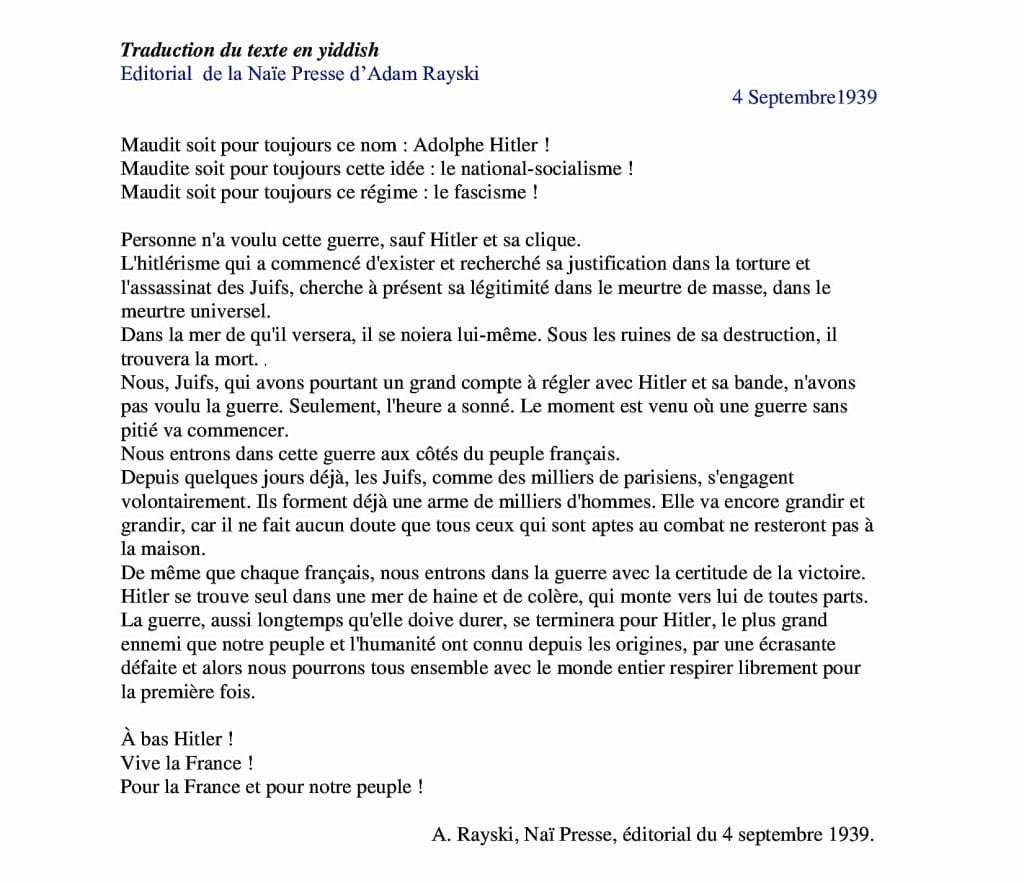
In 1938, the Munich Agreement, signed by Germany, France, the United Kingdom, and Italy, allowed Hitler to annex the Sudetenland. The USSR and Czechoslovakia were not invited. France and the United Kingdom refused to form any alliance with the USSR.
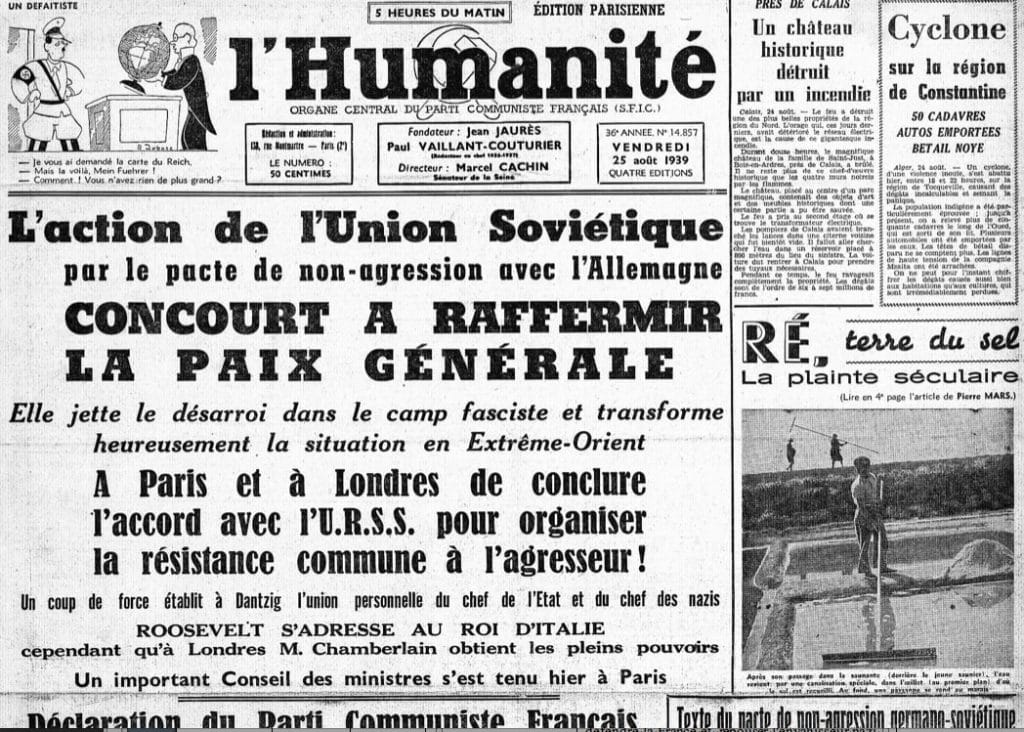
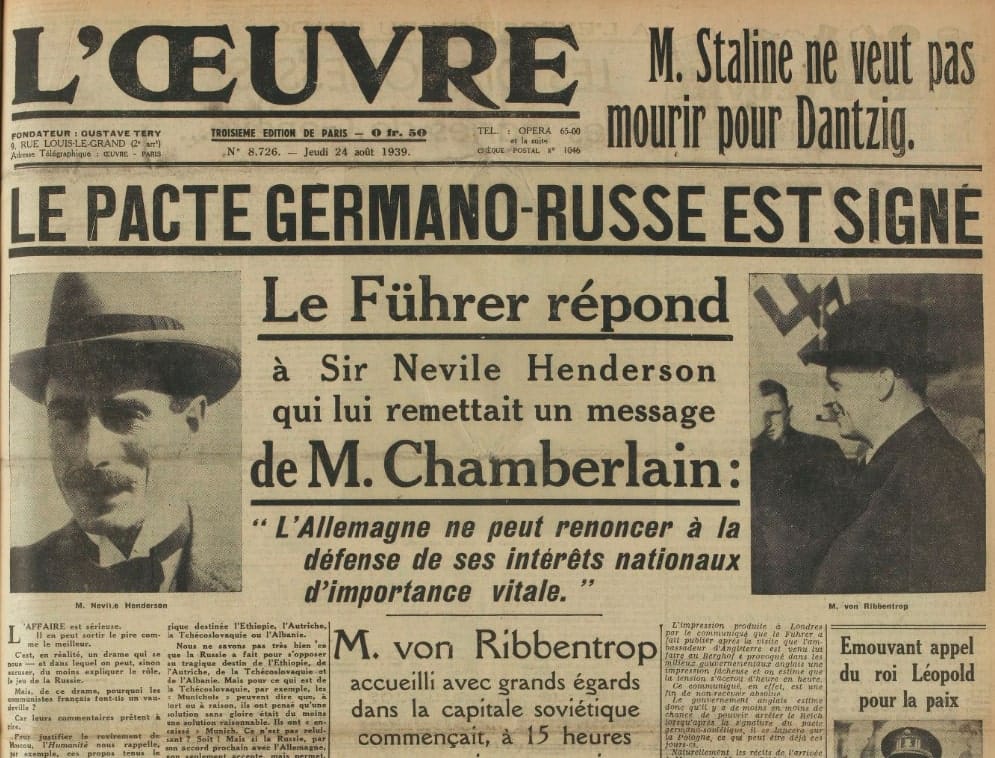
In 1939, it signed the German-Soviet Non-Aggression Pact with Germany.
However, on June 22, 1941, Operation Barbarossa began: three million Germans, supported by the air force and cavalry, invaded the USSR. The entire population mobilized to defend the country. Stalin released nearly one million prisoners from the Gulag, who were drafted into the army. The Soviet counteroffensive began in December 1941 in Moscow, which held out—and would continue to hold out—against the German army. Meanwhile, in besieged Leningrad, from September 1941 to January 1944, 800,000 residents (one-third of the city’s population) died of starvation, cold, and disease.
In February 1943, Stalingrad became the iconic city of Resistance to the Nazi invasion and a symbol of liberation. The fierce fighting between German and Soviet soldiers ended with the surrender of German General Von Paulus and his troops. This marked a turning point in the war.
It is estimated that 26 million people—both civilians and military personnel—died during the conflict, representing one-sixth of the USSR’s working-age population.
In the aftermath of the war, the Soviet regime was basking in the glory of its victory over Nazism.
Reference:
Yves Trotignon, 1982, *The 20th Century in the USSR*, Ed. Bordas.