(1883-1945)
Pierre Laval, a lawyer, was elected as a Socialist deputy in 1914.
Beginning in 1925, he definitively distanced himself from the left and served as minister on several occasions under the Third Republic: Minister of Justice, Minister of Labor, Minister of Foreign Affairs, and President of the Council in 1931–1932 and again in 1935–1936.
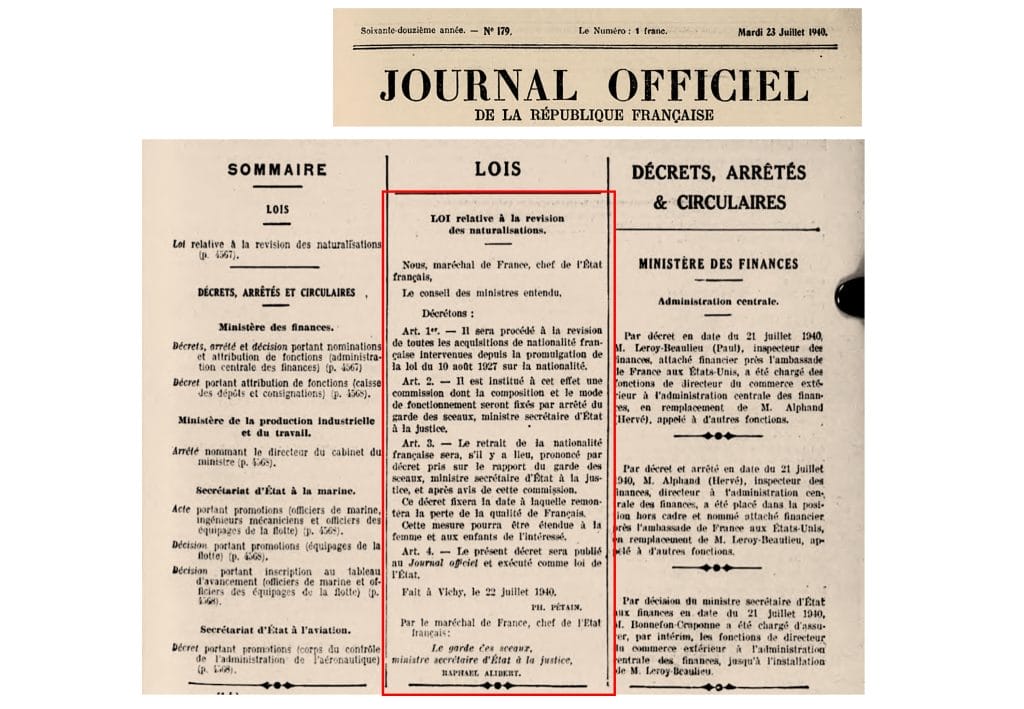
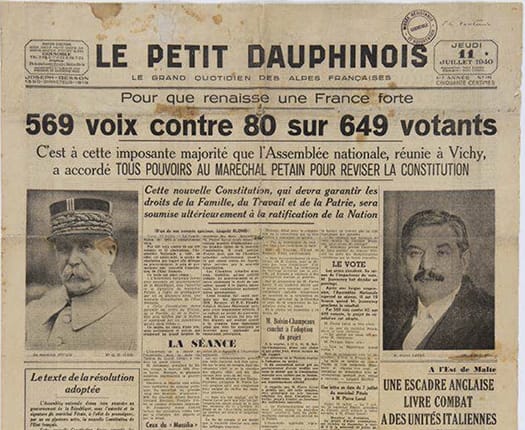
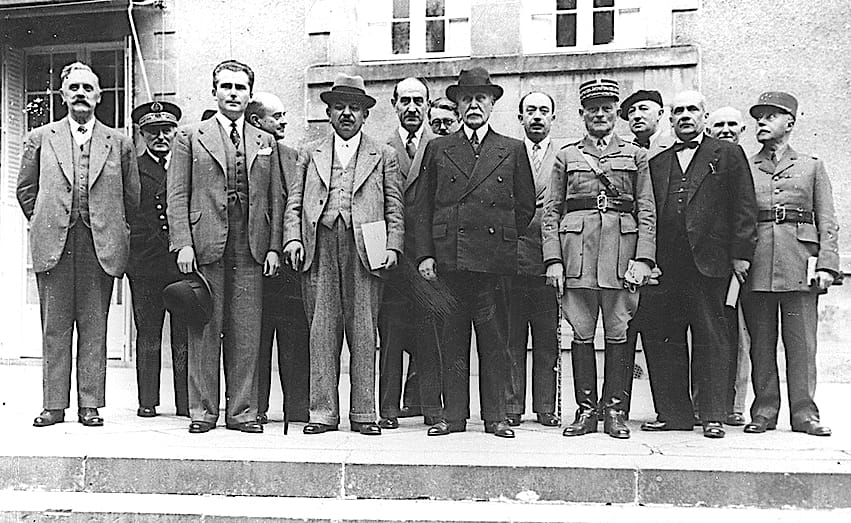
In July 1940, he lobbied members of parliament to vote in favor of granting full powers to Philippe Pétain and became Vice President of the Council.
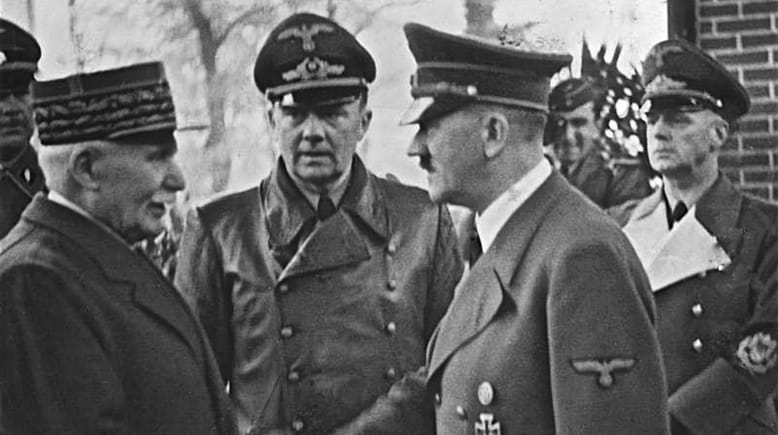
Laval then became involved in the state’s collaboration with the Nazi occupiers, and it was the Germans who, in 1942, forced Pétain to reinstate him (the marshal had removed Laval—who had become too influential a rival—from the Vichy government).
Pierre Laval was granted unlimited powers.
Along with Pétain, he became the most representative figure of Vichy France. As head of the government, he declared:
“I wish for Germany’s victory because, without it, Bolshevism would take hold everywhere tomorrow.” ”
He distinguished himself through a fiercely collaborationist and anti-Semitic policy: the creation of the Compulsory Labor Service (STO) on German orders, brutal repression of Resistance fighters, and the deportation of thousands of Jews.
It was Laval who proposed to the Germans that the children be deported. To him, they were “useless and troublesome orphans” whose parents had already been sent to the death camps.
Upon the arrival of Allied troops, Laval was evacuated by the Nazis; he fled to Spain but was handed over by the dictator of the Spanish State, Franco, to the Provisional Government of the French Republic led by General de Gaulle.
Pierre Laval was sentenced to death and executed by firing squad on December 15, 1945, at Fresnes Prison.
Reference
Paxton, Robert O., 1999 , *Vichy France (1940–1944)*, Le Seuil-Poche