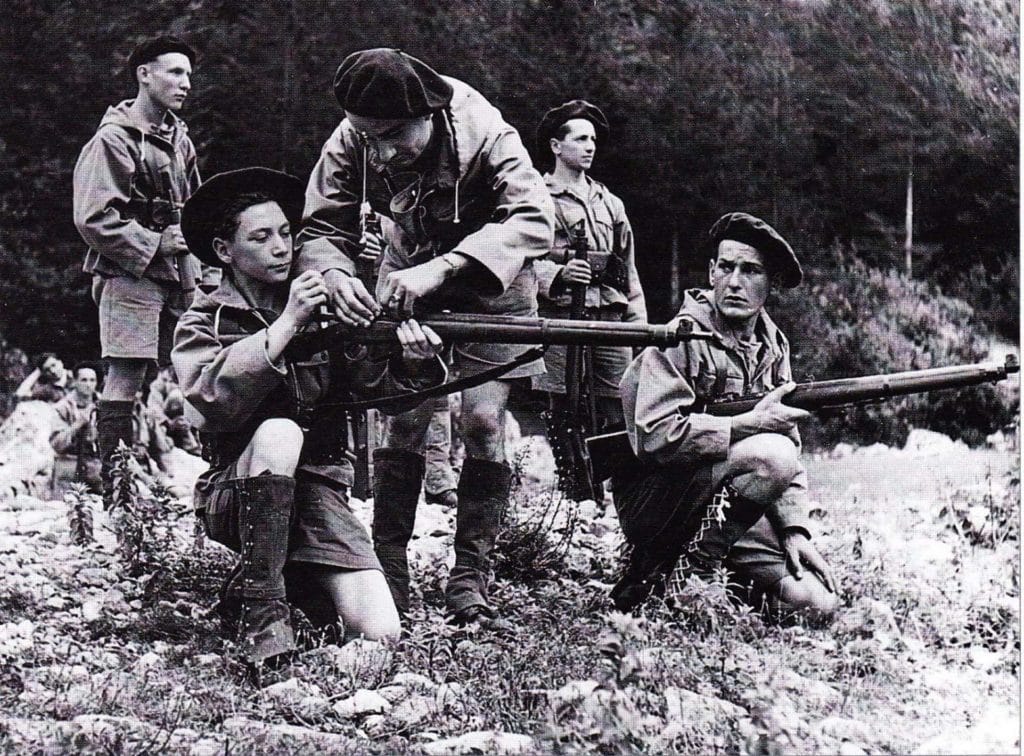
The word “maquis,” which originally referred to wooded and scrubby terrain in Corsica, became a place of Resistance during World War II and later a symbol of the Resistance and the Liberation.
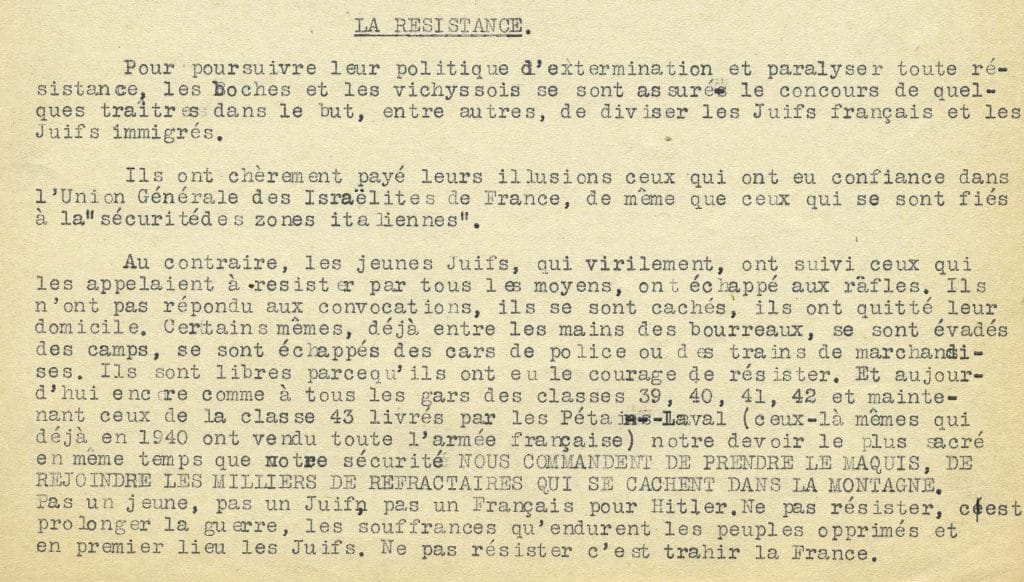
Armed resistance preceded the maquis, whether in the form of operations carried out by the Communist Youth as early as 1941 or by the “groupes francs” formed within the “Combat” movement. The maquis emerged in the winter of 1942–1943, (the first maquis was established in December 1943 in the Vercors). All these maquis were created by draft dodgers who had decided to evade deportation to Germany under the “Relève” program and, later, in February 1943, to escape the Compulsory Labor Service (STO).
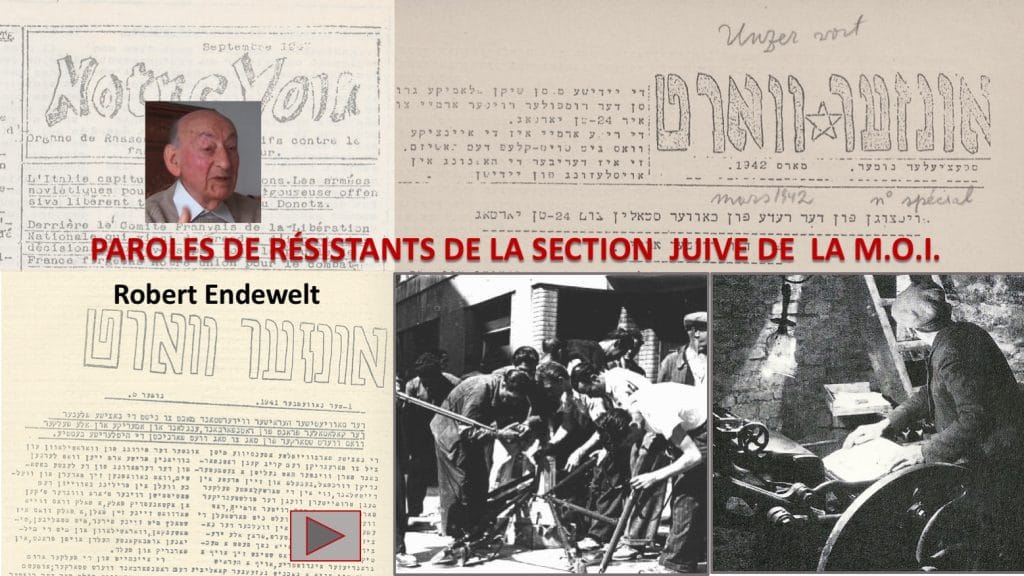
Men arrived throughout the summer of 1943. All over the country, veterans of the International Brigades in Spain, fighters from the M.O.I. (Main-d’Œuvre Immigrée), and anti-fascist Germans formed resistance groups or joined existing ones.
These volunteers, who had been engaged in clandestine activities since the spring of 1943, represented an unforeseen development that presented the Resistance leaders with a fait accompli. It became necessary to bring them together, organize them, supervise them, feed them, and arm them.
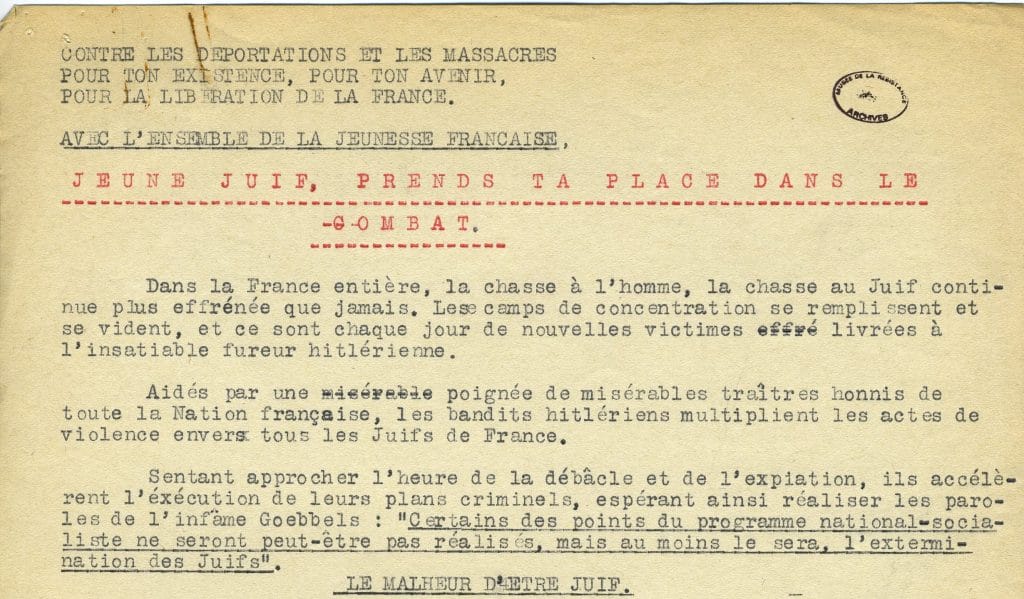
In the mountain ranges of the southern region, some resistance groups took immediate action (sabotage, attacks against collaborators and Vichy authorities, and gathering and transmitting intelligence). There were a few hundred maquisards at the beginning of 1943 and nearly 100,000 by June 1944. Starting in May 1944, Patriotic Militia maquis units were established by the FTP-M.O.I., notably the Montceau-les-Mines maquis in Saône-et-Loire.
The Maquis fighters were incorporated into the F.F.I. (French Forces of the Interior) and placed under the command of General Kœnig, who himself received his orders from London. The repression carried out by the Vichy regime and later by the Germansagainst the Maquis fighters and the civilian population considered to be accomplices was brutal.
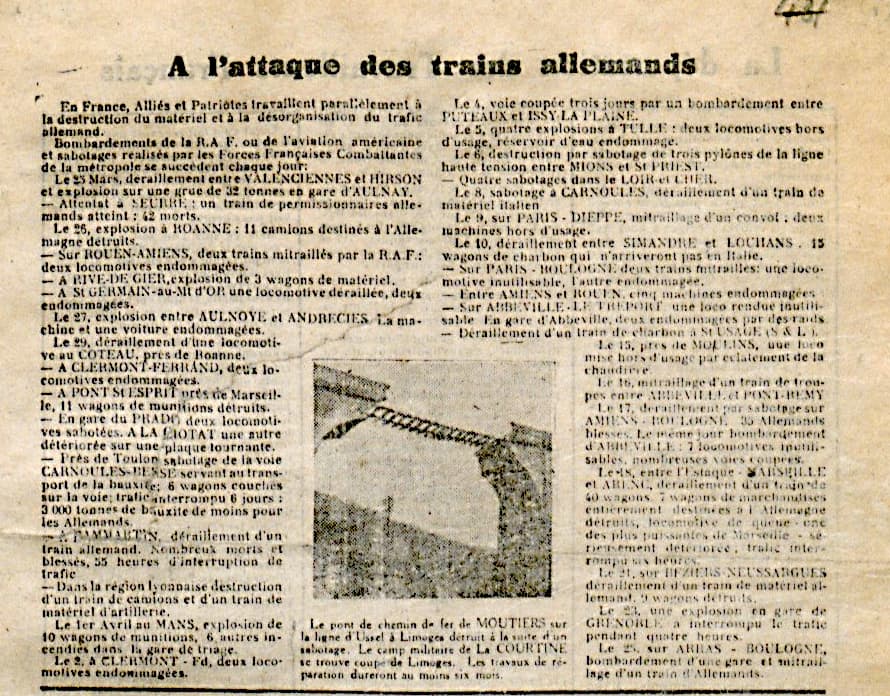
In June 1944, the Maquis fighters took part in the battles of the Liberation and helped delay the German troops at the time of the D-Day landings.
References:
— Marcot, François, 2006, “Les maquis,” *Dictionnaire historique de la Résistance*, Bouquins , Robert Laffont.
— Jacques Canaud, 2011, *Le Temps des maquis*, Éditions de Borée.
— Stéphane Simonnet, 2015, *Maquis and Maquisards: The Armed Resistance, 1942–1944*, Belin.