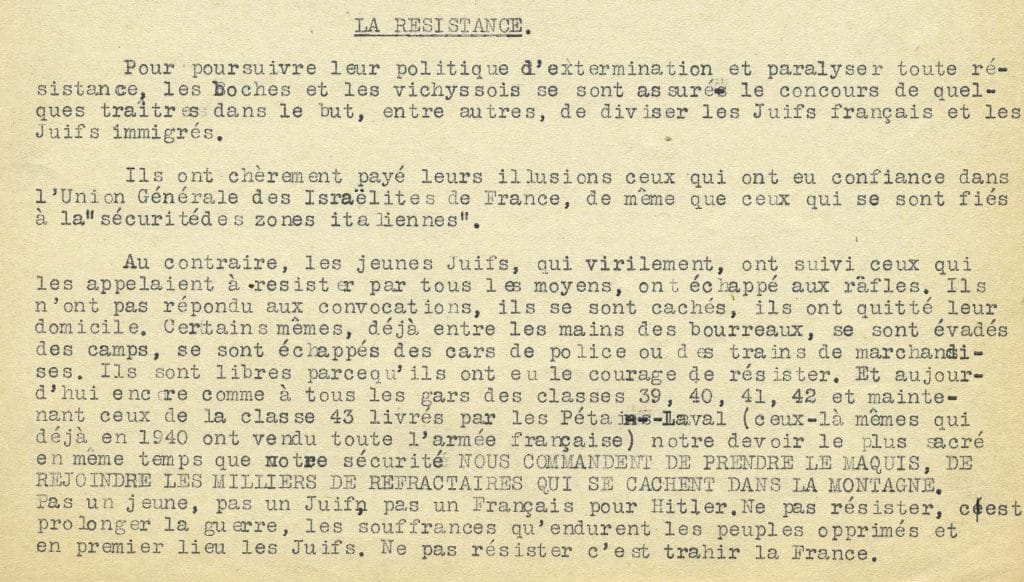
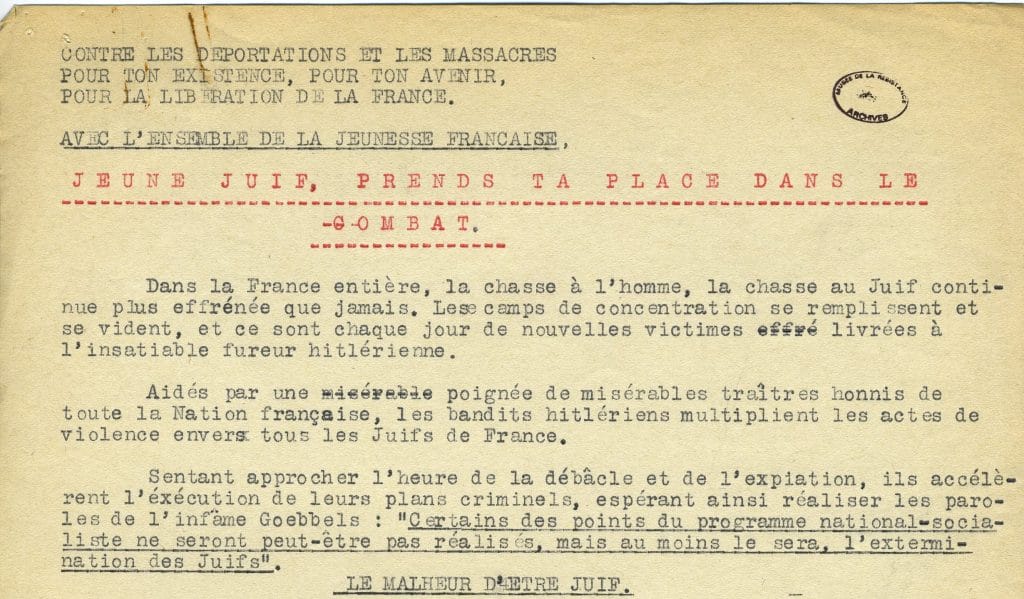
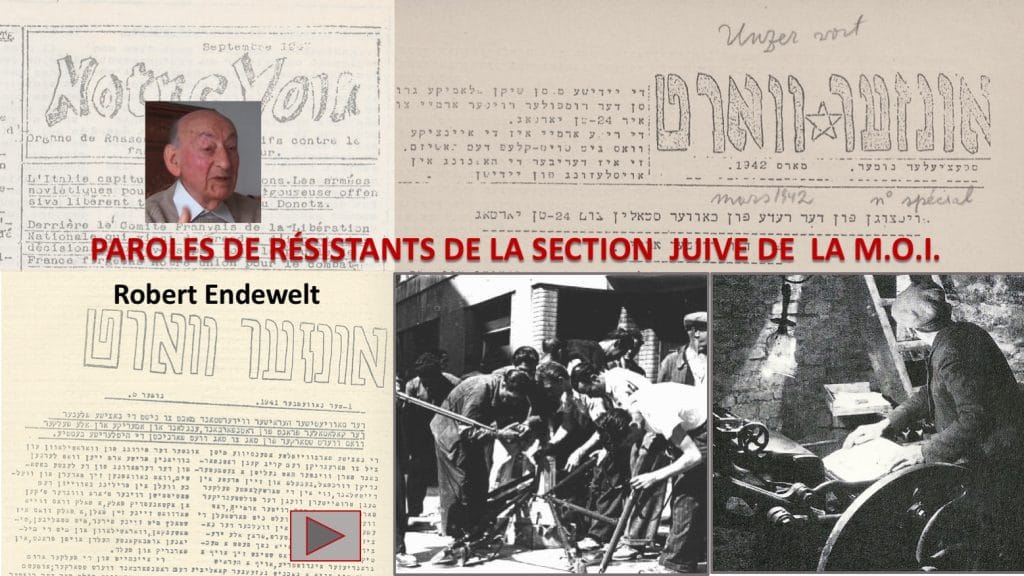
The M.O.I. resistance groups played a vital role, particularly in 1944, during the liberation of the major cities in the South.
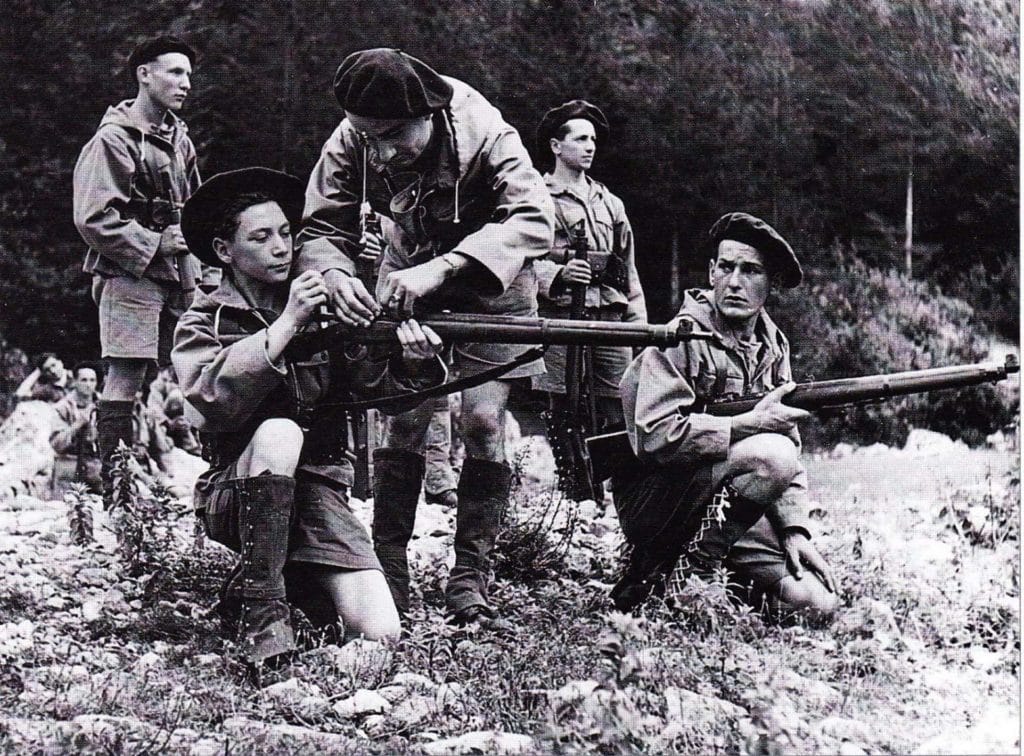
For a long time, the FTP was quite reluctant to deal with the maquis, fearing that they would become nothing more than wait-and-see refuges far removed from their preferred theater of operations—the city…But beginning in the fall of 1943, and especially in the spring of 1944, opposition to forced labor in Germany (STO) and, above all, the prospect of a general uprising linked to the D-Day landings drew many fighters to the Resistance. New maquis units, still difficult to access, were formed.
The FTP-M.O.I. followed the same process. As early as 1943, there was an M.O.I. resistance group in the Drôme, near Die, which later moved to Isère. This group mainly took in activists who had been identified by the enemy and were in transit before being assigned to a new mission.
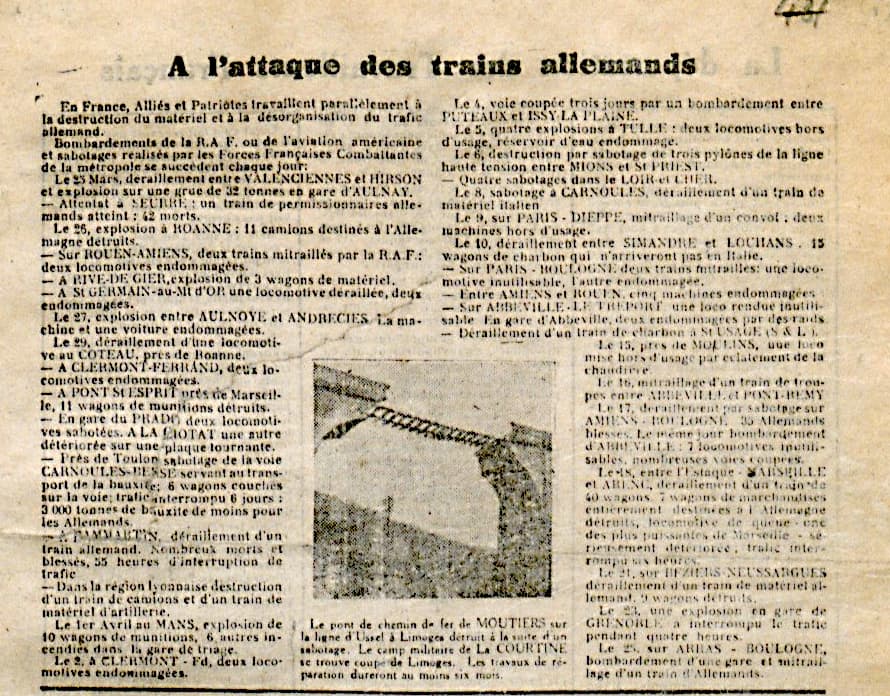
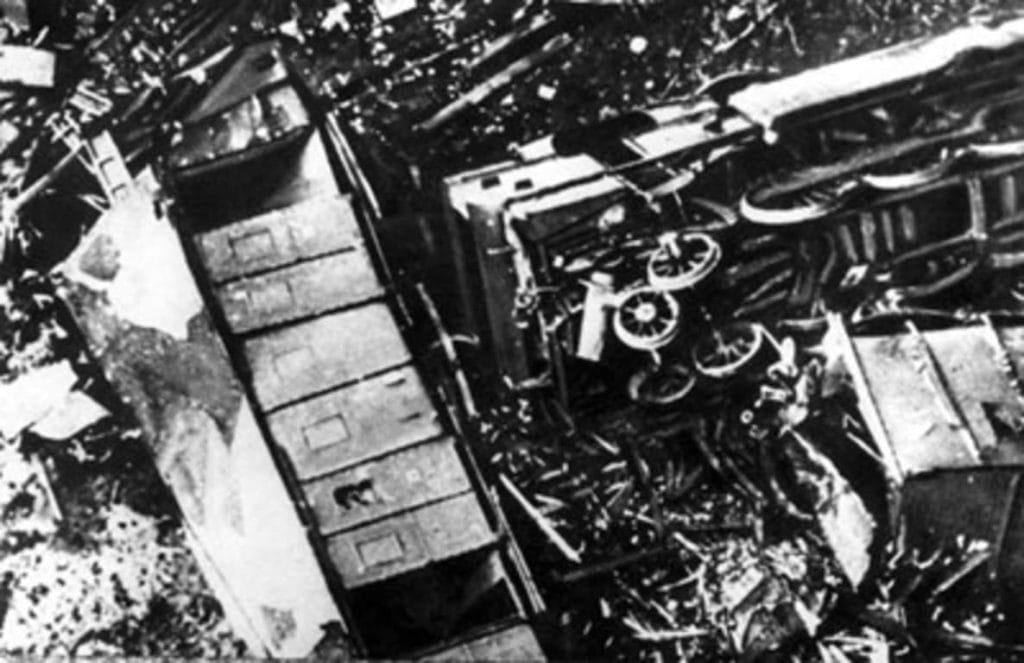
Following the D-Day landings, to train the many new recruits for combat and to carry out operations—particularly along transportation routes—the FTP-M.O.I. groups “Carmagnole” and “Liberté” each formed a maquis. These played a decisive role in the liberation of Lyon and Grenoble. M.O.I. maquis units were also essential in the liberation of the cities of Toulouse and Marseille.
Reference:
Collin, Claude, 2000, *Carmagnole and Liberty: Foreigners in the Resistance in Rhône-Alpes*, PUG