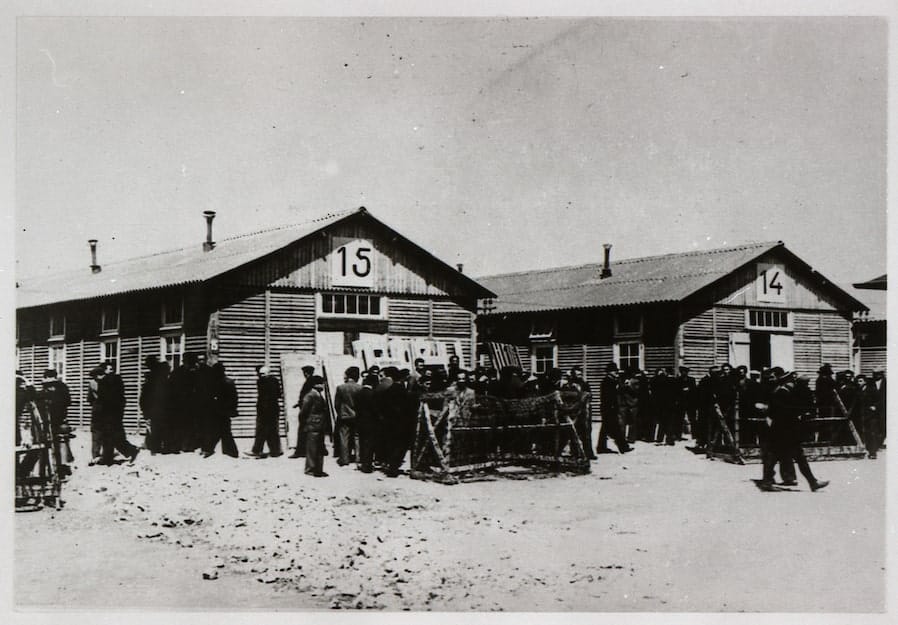
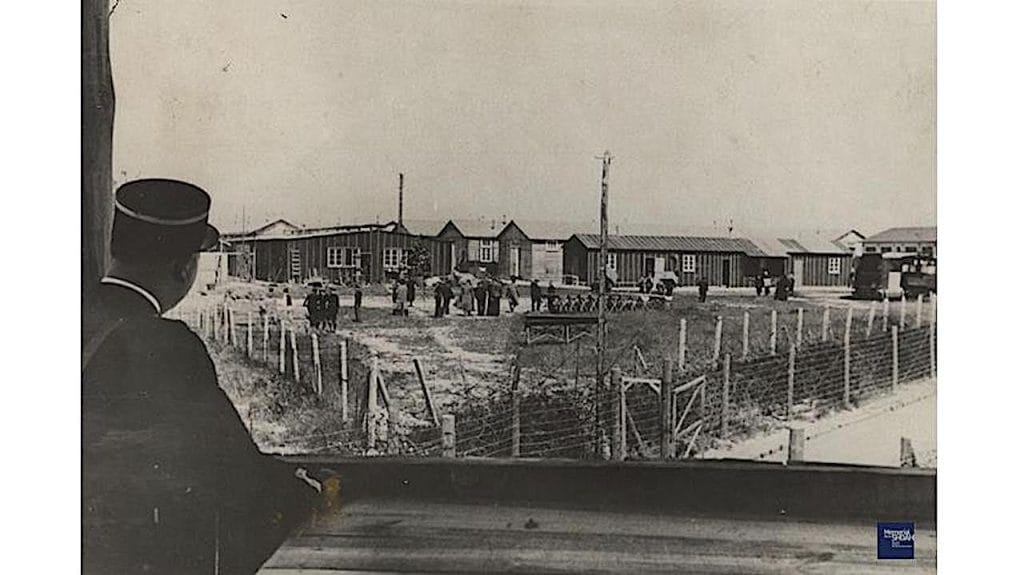
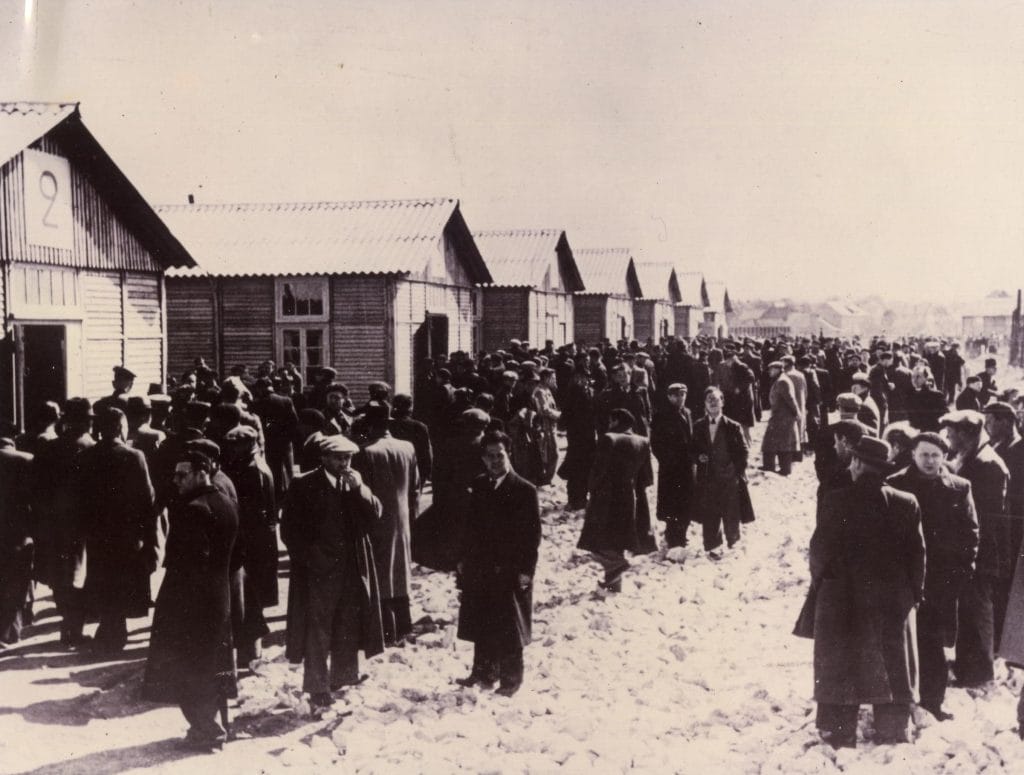
The Vichy government’s repressive policies led to the repurposing of camps that had already been used to house Spanish refugees in 1938. Many other camps were established on French territory and in the overseas territories. These internment camps served various purposes: administrative internment, detention of prisoners, and supervised detention.
The populations affected were also diverse: nationals of “enemy countries,” foreign and French Jews, Roma, political prisoners, members of the Resistance… From 1939 to 1946, some 200 camps sprang up across France. Approximately 600,000 people were interned there.
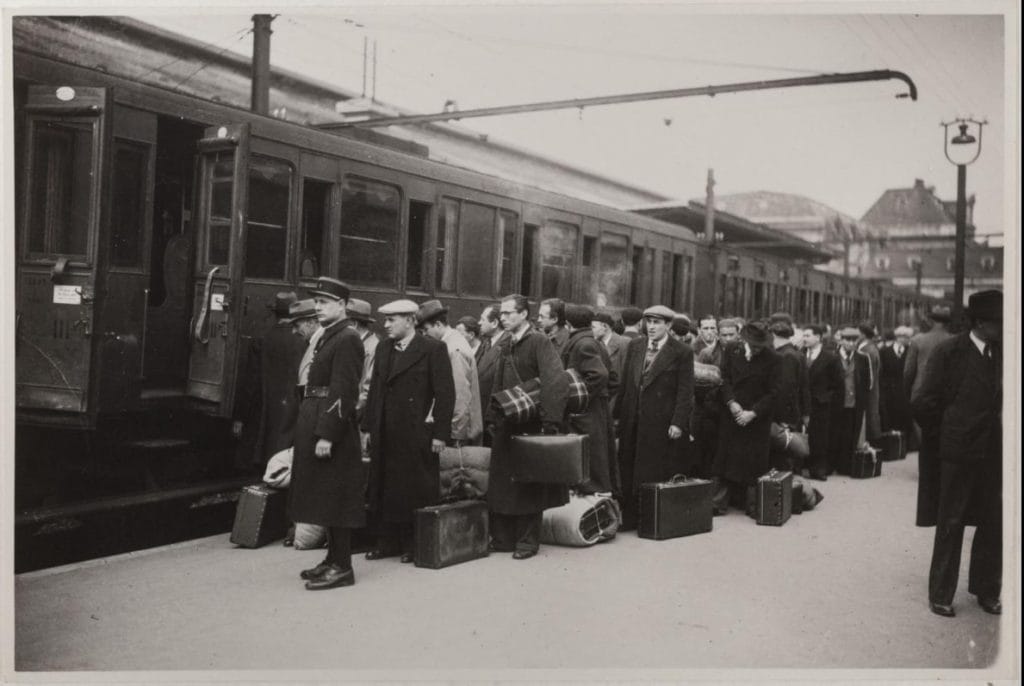
The main innovation of the Vichy regime was the creation of transit camps. Internees were held there while awaiting deportation to Nazi extermination camps. The best-known transit camps were Pithiviers, Beaune-la-Rolande, and Drancy, which would become the hub for the deportation of Jews to Auschwitz.
The internment of Jews was the result of anti-Semitic laws defining the Status of the Jews (the law of October 3, 1940, followed by the law of June 2, 1941). Virtually all Jews arrested following the “green ticket” roundups in 1941 and the Vel’ d’Hiv roundup in 1942 were interned at Drancy, which, beginning in August 1941, held only Jewish populations.
Reference:
Association of Deportees from Auschwitz and the Camps of Upper Silesia: Internment Camps in France, 1939–194