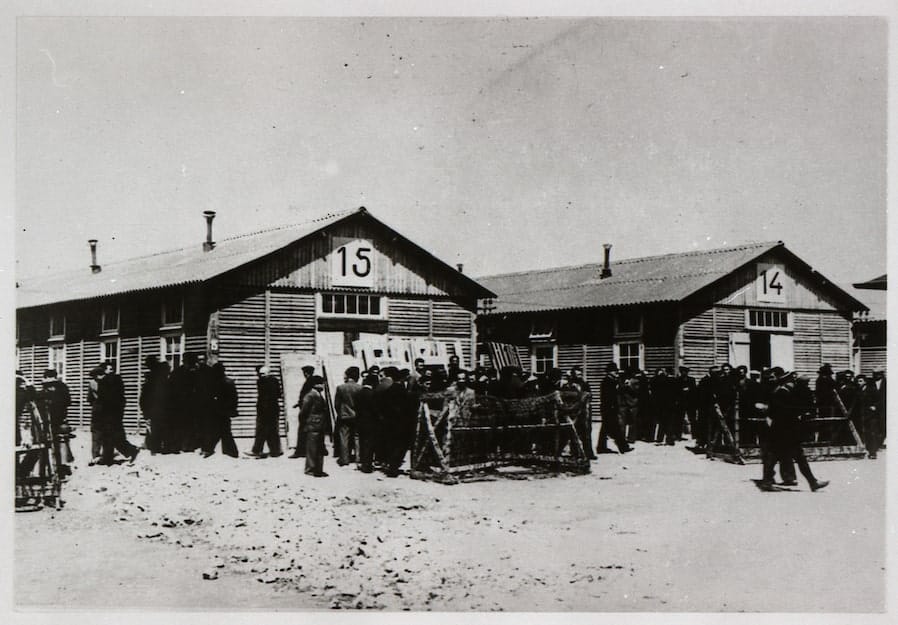
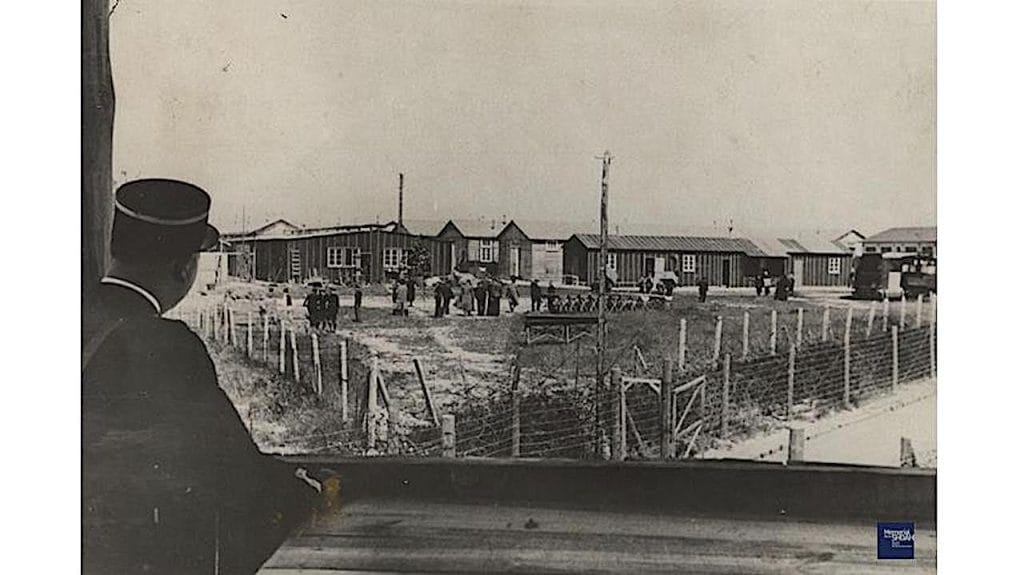
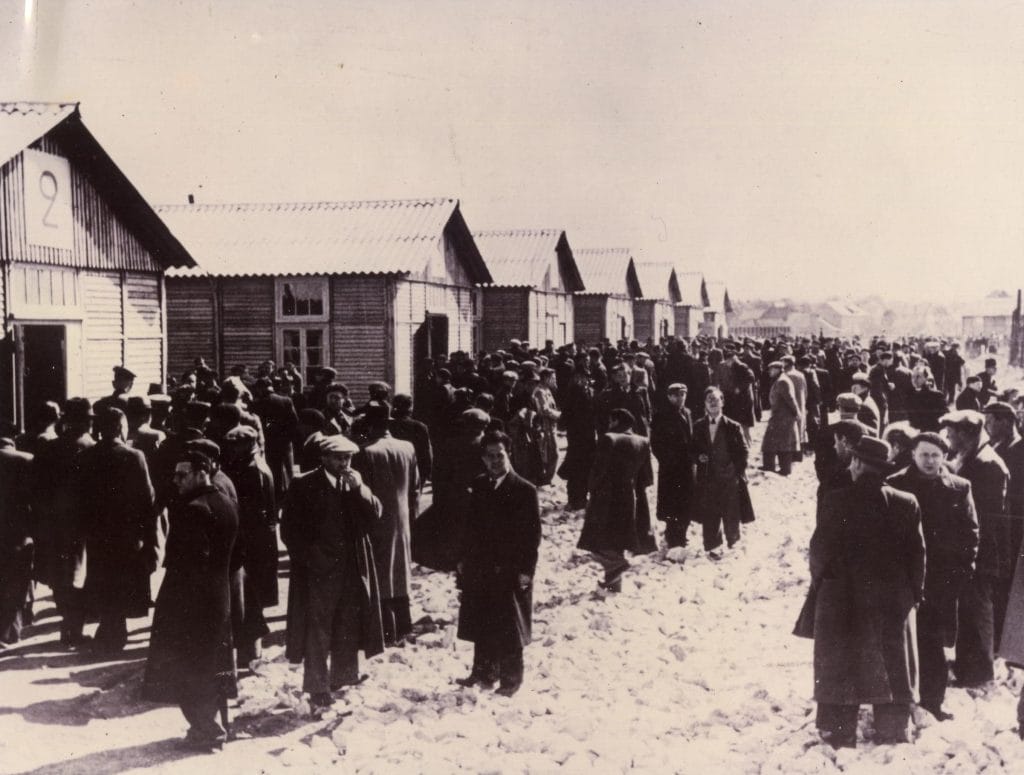
The “Green Ticket Roundup” is the name given to the arrest of foreign Jews by the French police on May 14, 1941. It resulted in the rounding up of 3,710 men—mostly Polish—in five Parisian centers out of the 6,694 who had been summoned by a green-colored ticket. These men were sent to the internment camps at Pithiviers and Beaune-la-Rolande. After a year, they were deported to Auschwitz. Few of them ever returned.
In May 1941, in Paris, 6,694 foreign Jews (mainly Poles) received a green summons instructing them to report on May 14 to various assembly points (including the Japy Gymnasium in Paris’s 11th arrondissement) “for a review of their status.”
The list of Jews summoned was compiled using the census records compiled starting in September 1940 by the French authorities, on orders from the German occupiers. This roundup, which was not explicitly called a roundup, would later be known as the “green ticket roundup.” These Jews were required to be accompanied by a family member or a friend. Many did not respond to the summons, but, convinced that it was merely a formality, 3,747 Jews nevertheless went to the assembly points. They were held there, while the person accompanying them was asked to go fetch some clothes and food for them.
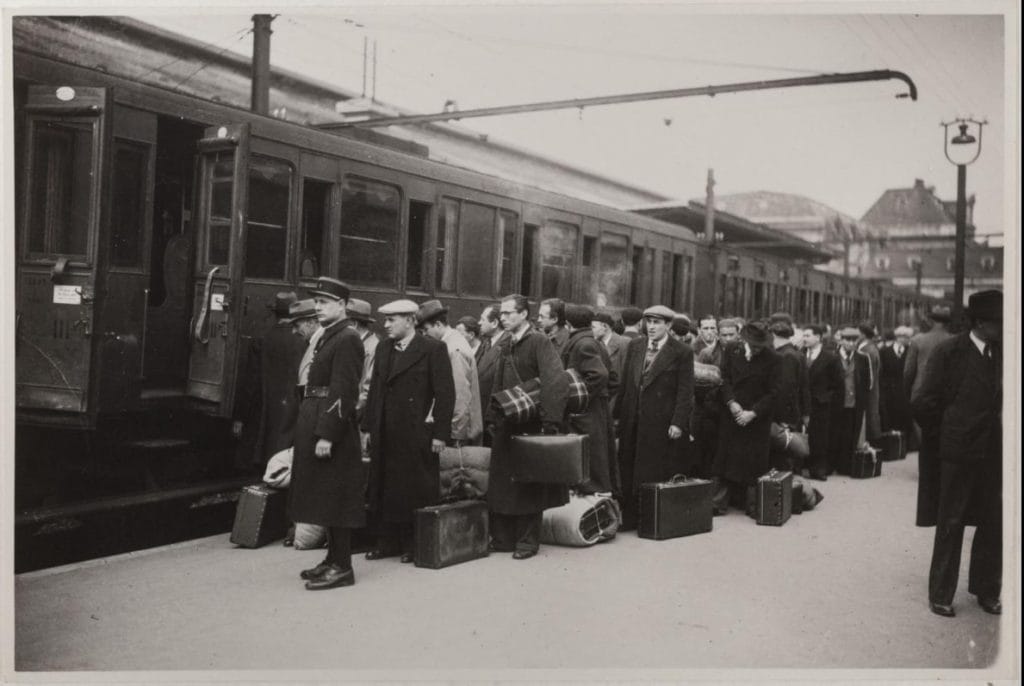
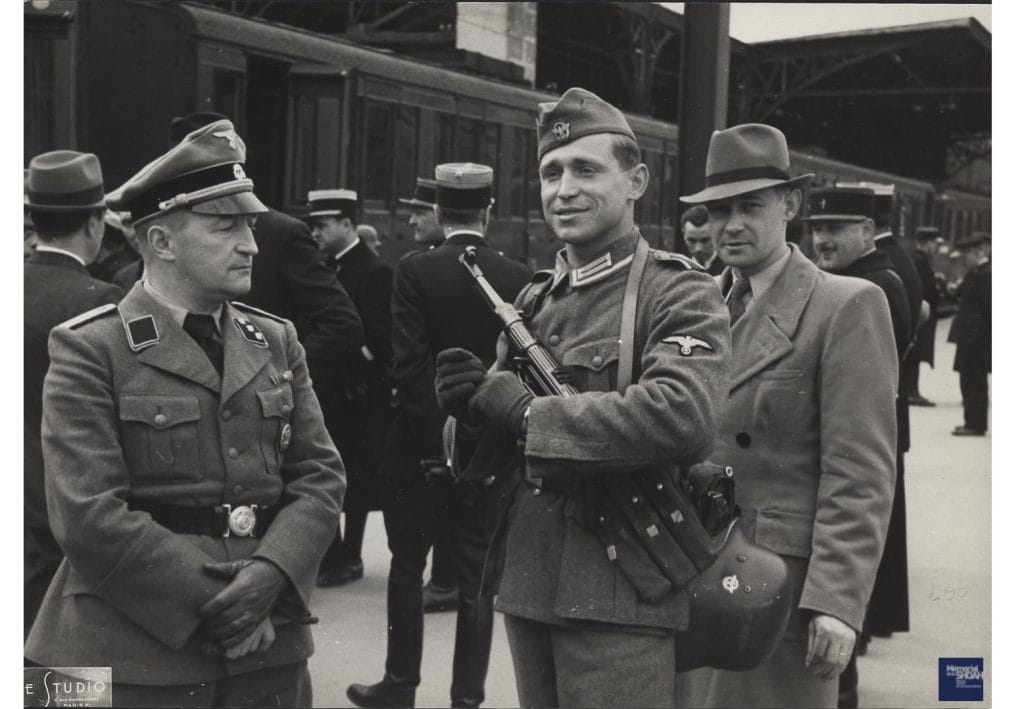
These Jews, after being arrested, were taken by bus to the Austerlitz train station and transferred that same day by train to the Loiret, about 100 kilometers south of the capital. 1,700 of them were interned at Pithiviers, and 2,000 at Beaune-la-Rolande. They would remain there for over a year, completely unaware of the fate that awaited them.
On May 8, 1942, 289 of them were transferred to the Compiègne-Royallieu camp, from where they were deported—mostly to the Auschwitz extermination camp—on Convoy 2, on June 5, 1942. The others would meet the same fate, whether they departed from Pithiviers or Beaune-la-Rolande.
Reference:
Diamant David, 1977, *Le Billet Vert*, Ed. du Renouveau