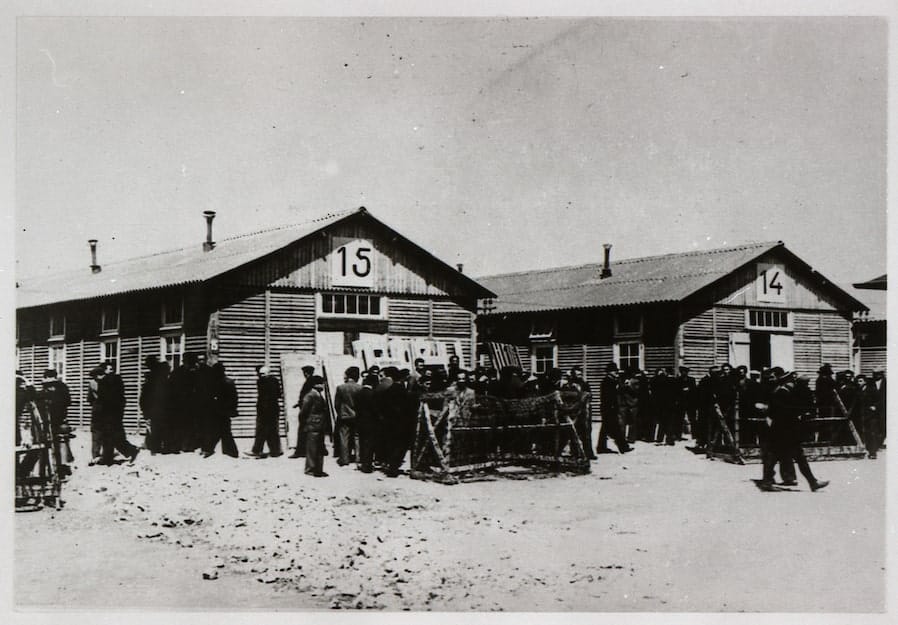
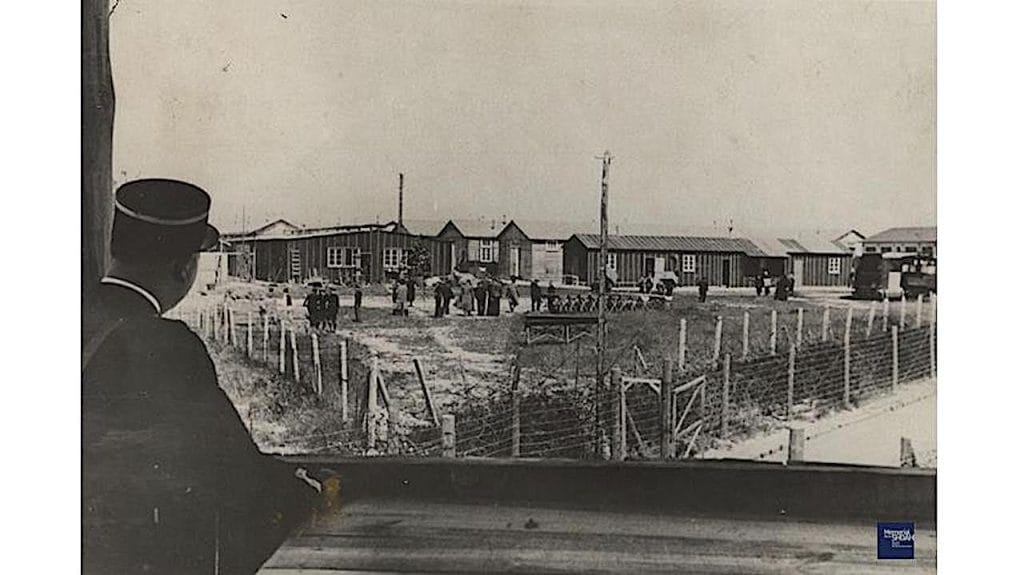
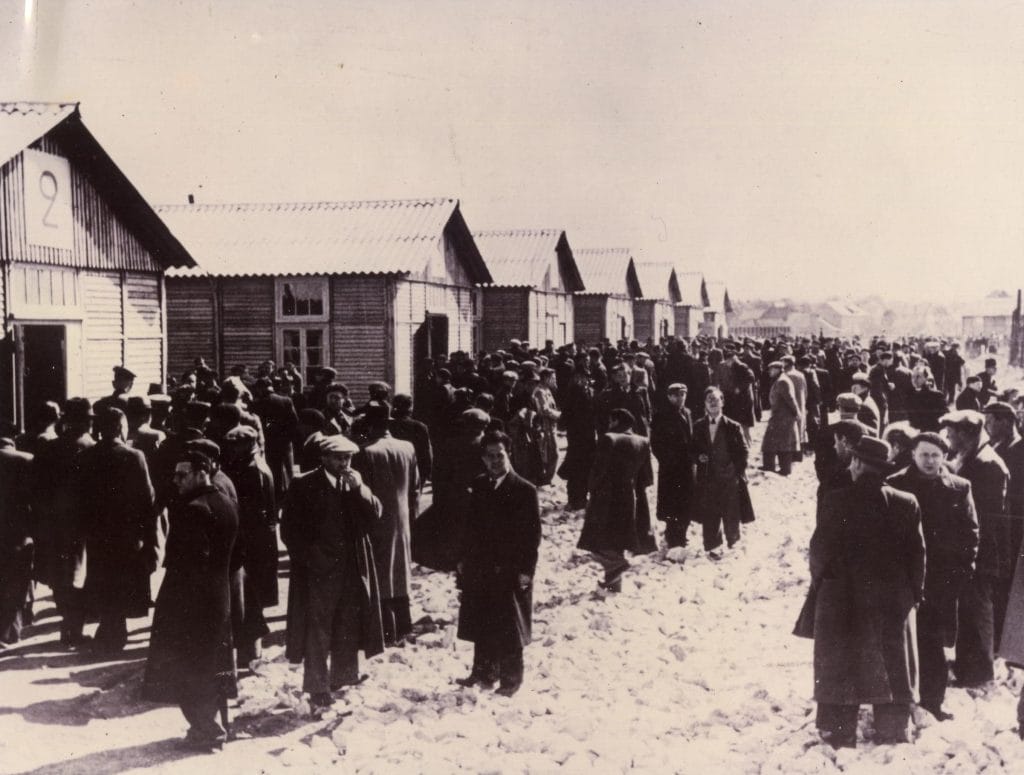
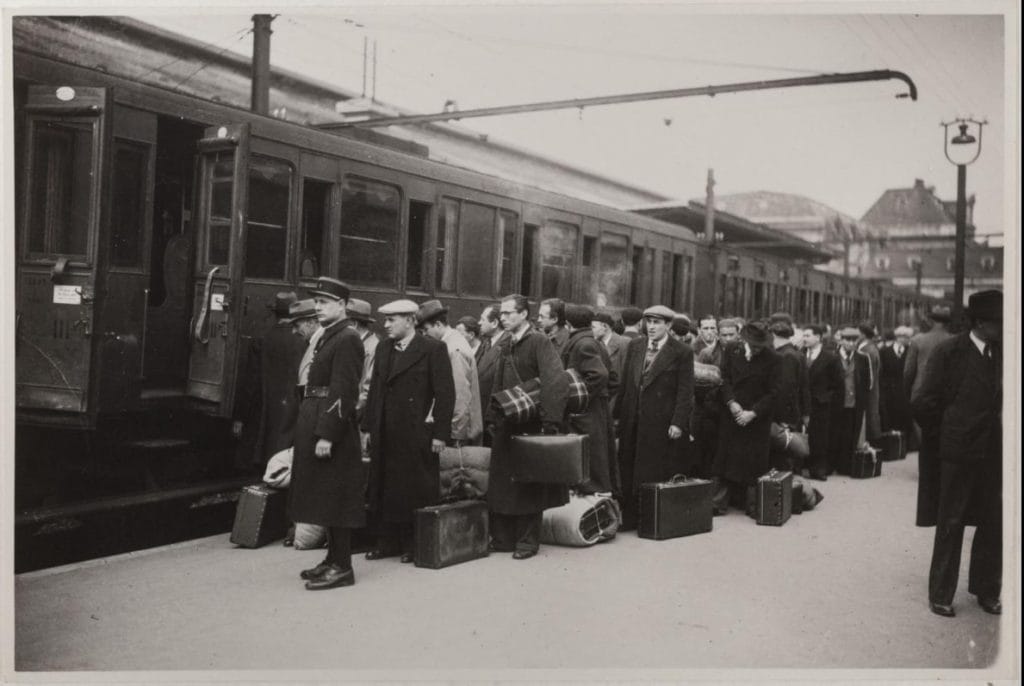
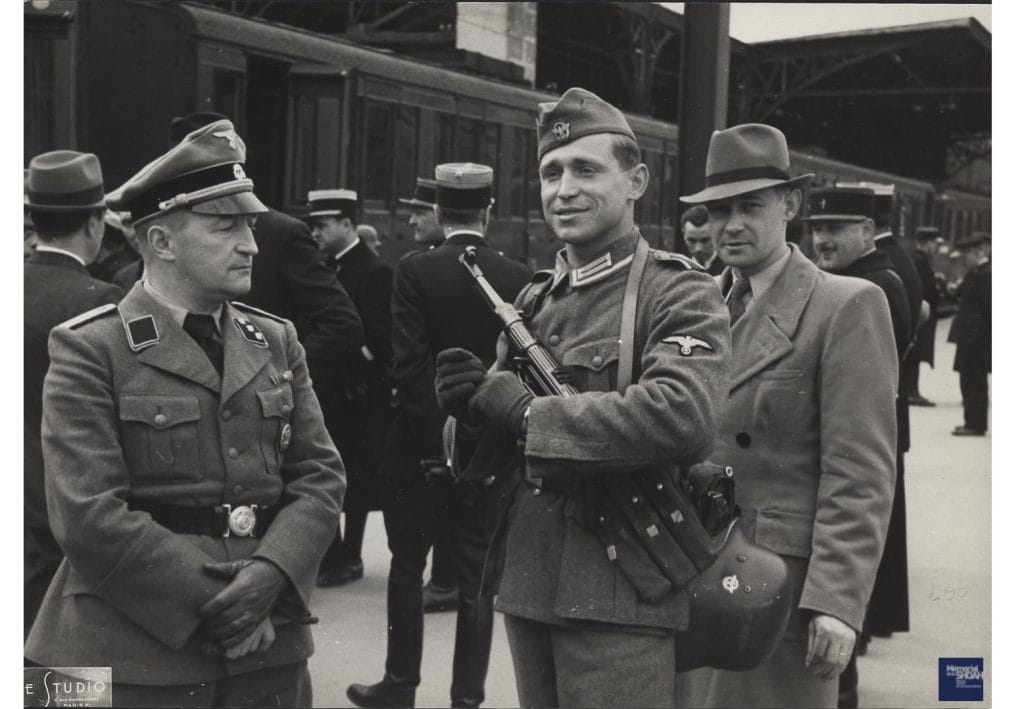
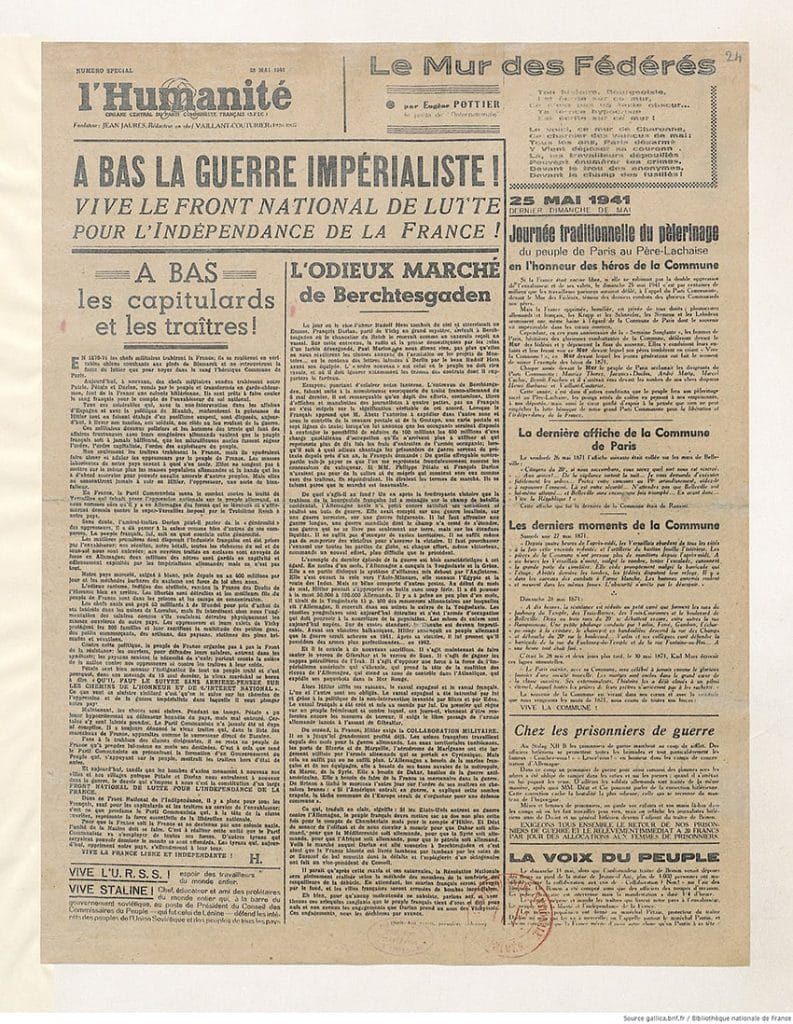
The camps—known as the Loiret, Pithiviers, and Beaune-la-Rolande camps—served as transit camps prior to deportation. They were a manifestation of the murderous, anti-Semitic, and collaborationist policy pursued by the Vichy regime in the service of the Nazis.
A decree dated October 4, 1940, signed by Marshal Pétain, authorized the internment of “foreign nationals of the Jewish race” in “special camps” based solely on a prefectural decision and without cause. The camps in the Loiret (Beaune-la-Rolande and Pithiviers) were used to house internees in transit before their deportation. These towns were chosen because of their relative proximity to Paris and the availability of secure buildings or facilities.
At the beginning of their internment, internees were able to maintain contact with their families (through mail, visits, and leave), but these opportunities were subject to change and eventually ceased. During the summer of 1941, there were still numerous escapes (about 800), but they quickly became difficult and eventually impossible.
Some groups organized cultural activities, while others formed clandestine Resistance committees and established contact with movements outside the camp. The Communists organized both authorized and clandestine activities.
In the spring of 1942, the transit camps were full. The internees were quickly deported to concentration camps and extermination centers to make room for new victims.
The 13,152 people rounded up during the Vél’ d’Hiv’ roundup were sent to Pithiviers, Beaune-la-Rolande, and Drancy, which became the largest transit camp—a symbol of persecution and a hub for the deportation of Jews, including children, to the death camps.
Reference:
Denis Peschanski, 2000, *French Internment Camps (1938–1946)*, Panthéon-Sorbonne University Press.