Skip to content
Flyout Menu
A visit to the museum
Literature Review
About the Museum
Our achievements
Our film
Our blog
Our database of Resistance fighters from the M.O.I.
Contact
English
Français
(
French
)
A visit to the museum
Literature Review
About the Museum
Our achievements
Our film
Our blog
Our database of Resistance fighters from the M.O.I.
Contact
English
Français
(
French
)
A visit to the museum
Literature Review
About the Museum
Our achievements
Our film
Our blog
Our database of Resistance fighters from the M.O.I.
Contact
English
Français
(
French
)
Search
Home
Photos
Toutes les salles
1.
Before 1934
The Jewish section of the M.O.I.
2.
1934 - 1939
Against Fascism | Outbreak of War
3.
Jan 1940 - Sept 1940
The Occupation | Creation of “Solidarity”
4.
Sept 1940 - June 1941
State Antisemitism | Responses
5.
June - August 1941
Armed resistance
6.
August - Oct 1941
Execution of hostages
7.
Oct - Dec 1941
Persecutions | The Resistance
8.
Jan–Jul 1942
Vel’ d’Hiv Roundup | The FTP-M.O.I.
9.
July 1942 - Feb 1943
Rescue of Jewish Children
10.
August 1942 - May 1943
Stalingrad | Warsaw Ghetto Uprising
11.
1943
Creation of the UJRE
12.
Jan 1943 - Mar 1944
Repression | The Major Surveillance Operations
13.
Apr 1943 - March 1944
Unification of the Resistance
14.
Apr - Sep 1944
Insurrection and Liberation
15.
Oct 1944 - Nov 1945
End of the War | Reconstruction
Voir toutes les salles
Photos
Photos
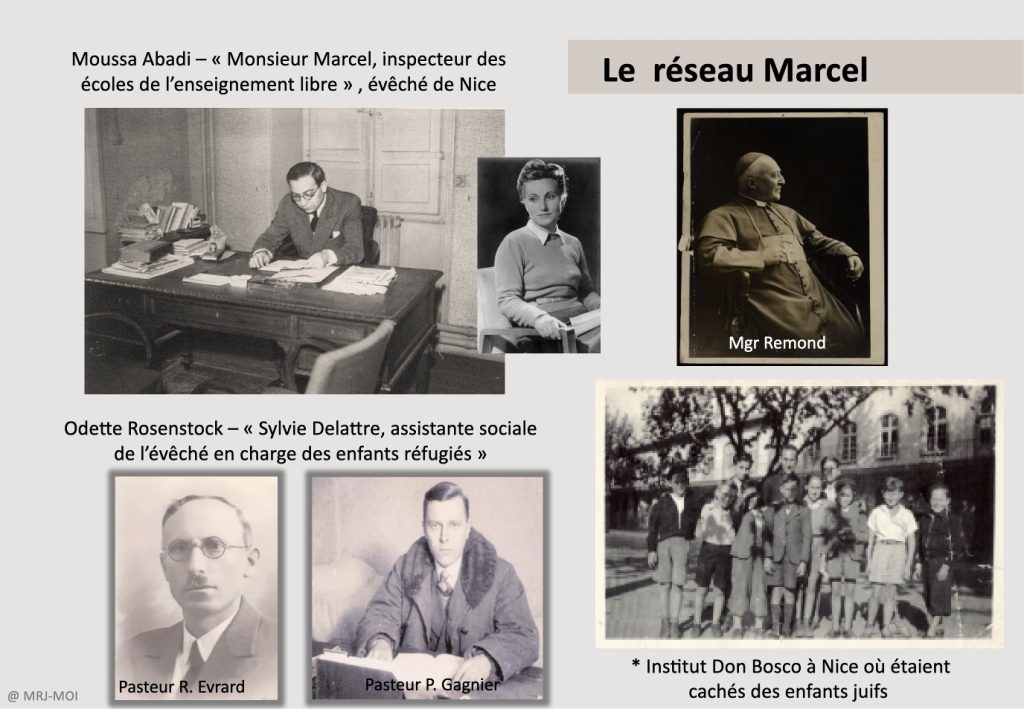
Odette Rosenstock and Moussa Abadi, founders of the “Marcel Network” in Nice in 1943. They saved 527 Jews in the Nice region with the help of the diocese and Protestant pastors.
Photos
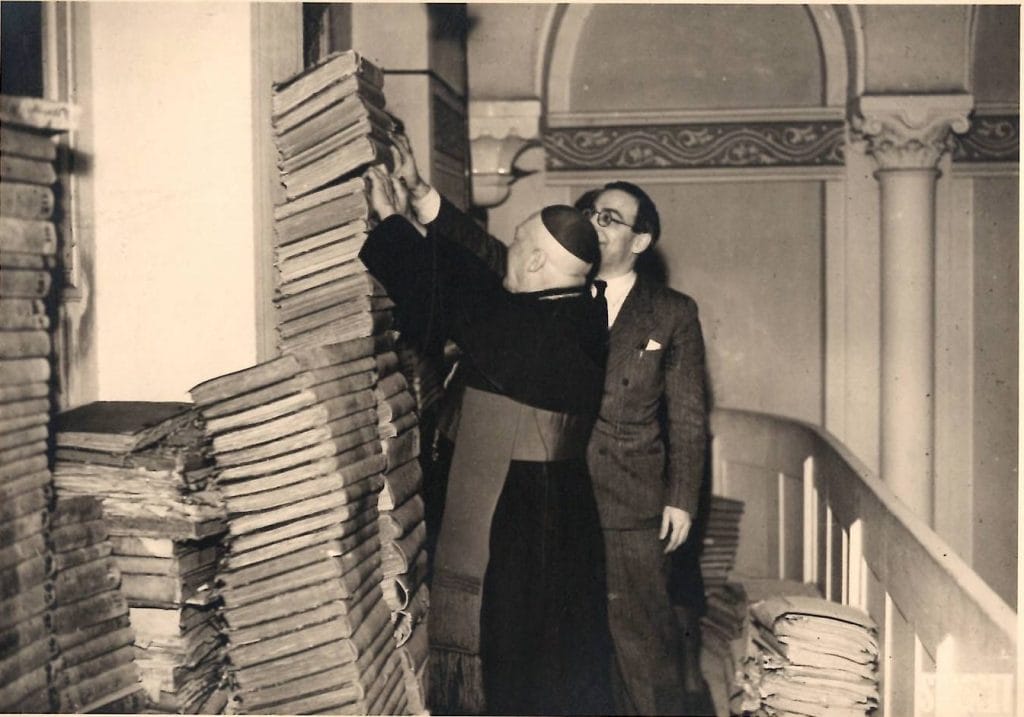
The Bishop of Nice, Monsignor Rémond, and Moussa Abadi (“Monsieur Marcel”) hiding the files of Jewish children who were in hiding in convents or with families among religious books. Nice, 1943.
Photos
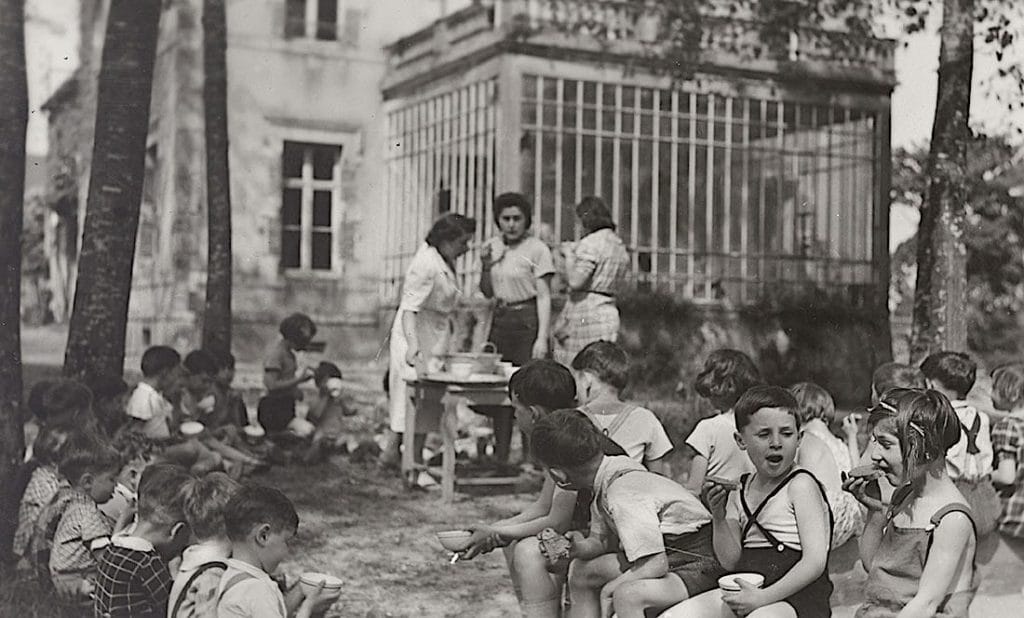
In 1942, the Château de Chabannes, run by the OSE, sheltered more than 100 Jewish children. In December 1943, the château was closed, and the children were entrusted to the Garel network.
Photos
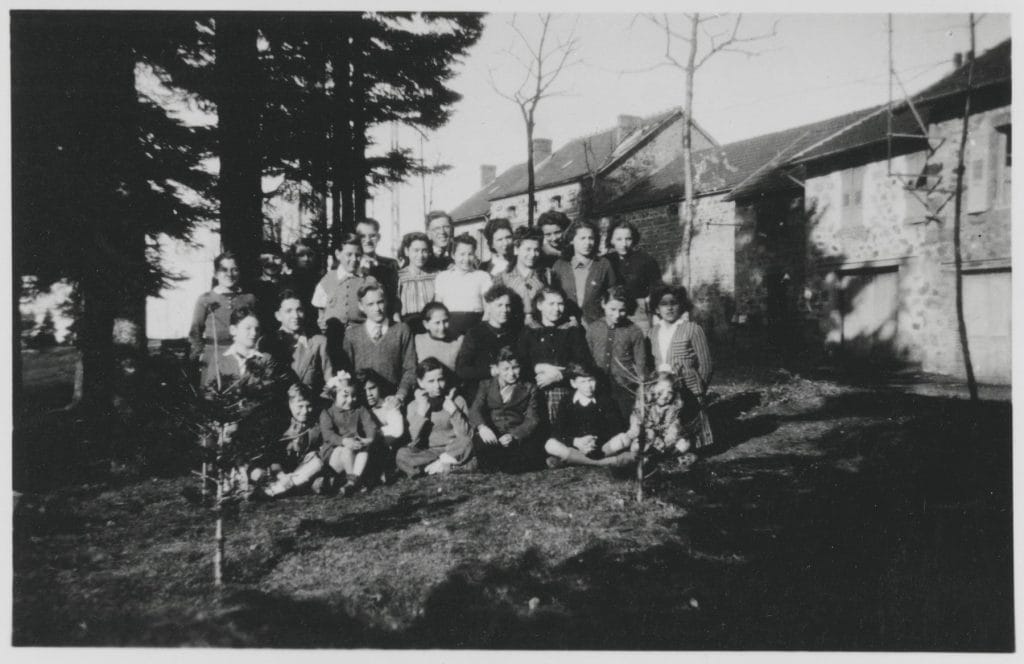
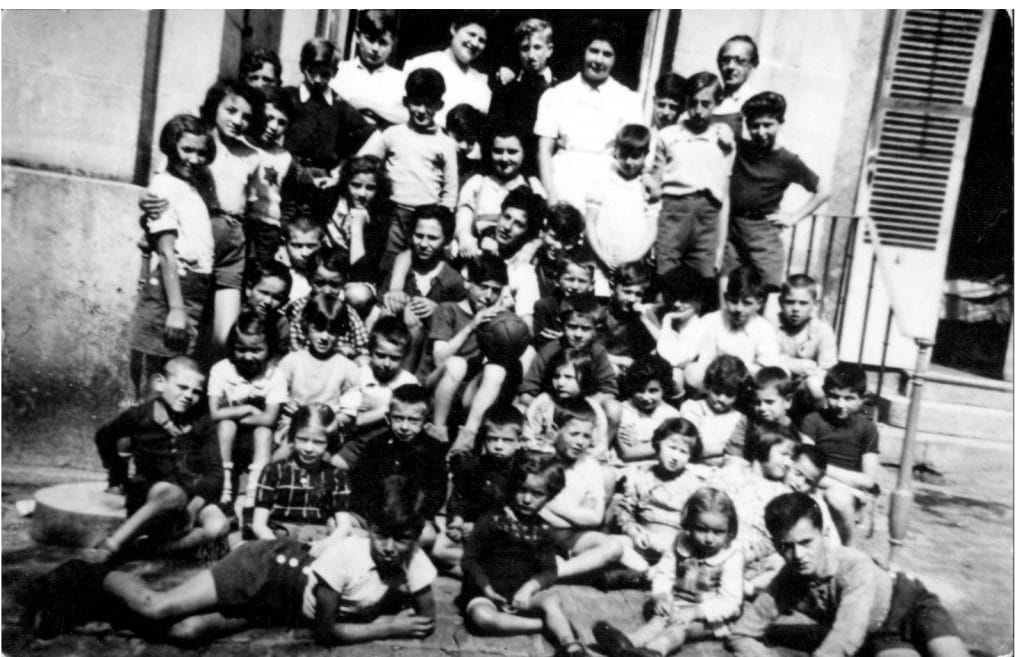
Jews hidden at the La Maison des Roches children’s home, run by Pastor André Trocmé (back row, center). Le Chambon-sur-Lignon, between 1941 and 1943.
Photos
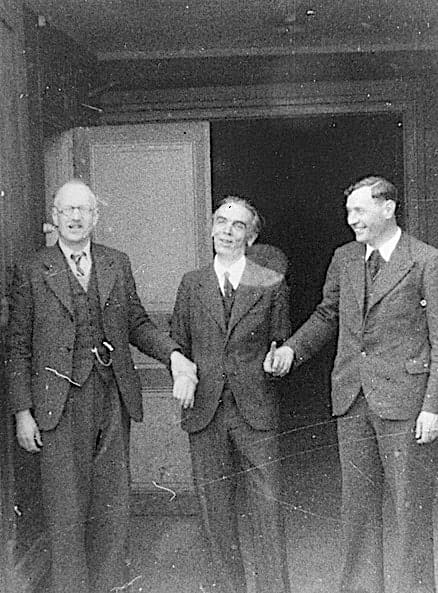
Pastor André Trocmé (left) protected a great many Jews from the Nazis, notably with the help of the residents of Le Chambon-sur-Lignon.
Photos
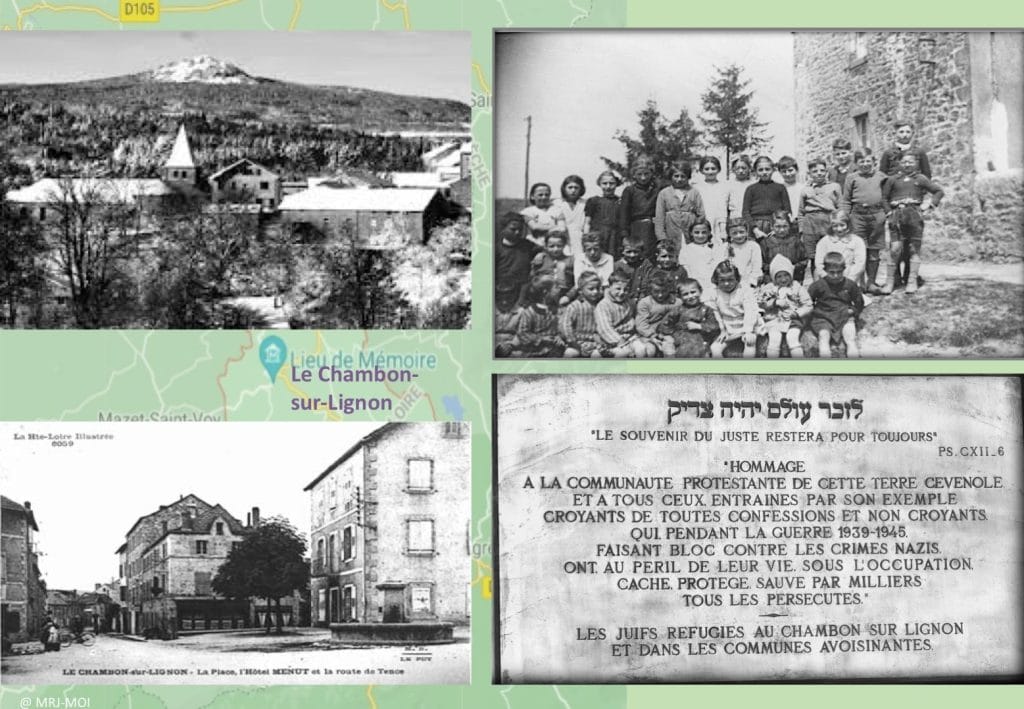
The village of Le Chambon-sur-Lignon, whose Protestant community distinguished itself during the Occupation by hiding 2,500 Jews. The entire village was designated “Righteous Among the Nations” in 1990.
Photos
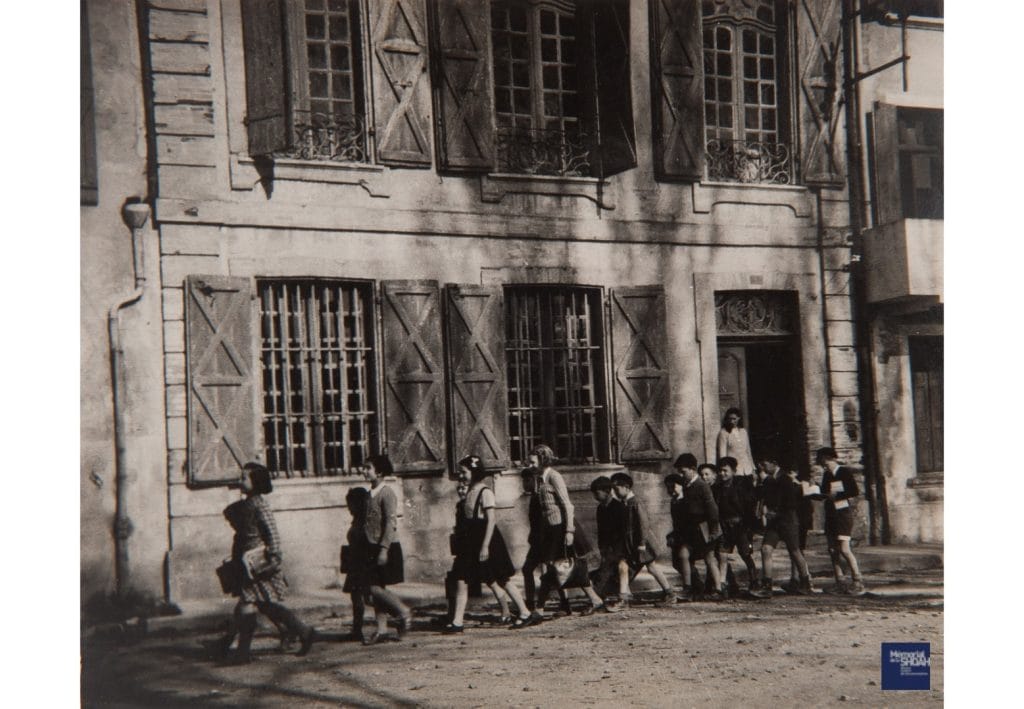
The Moissac Children’s Home, founded by the Éclaireurs Israélites de France, took in nearly 500 Jews, thanks to the active support of the local community.
Photos
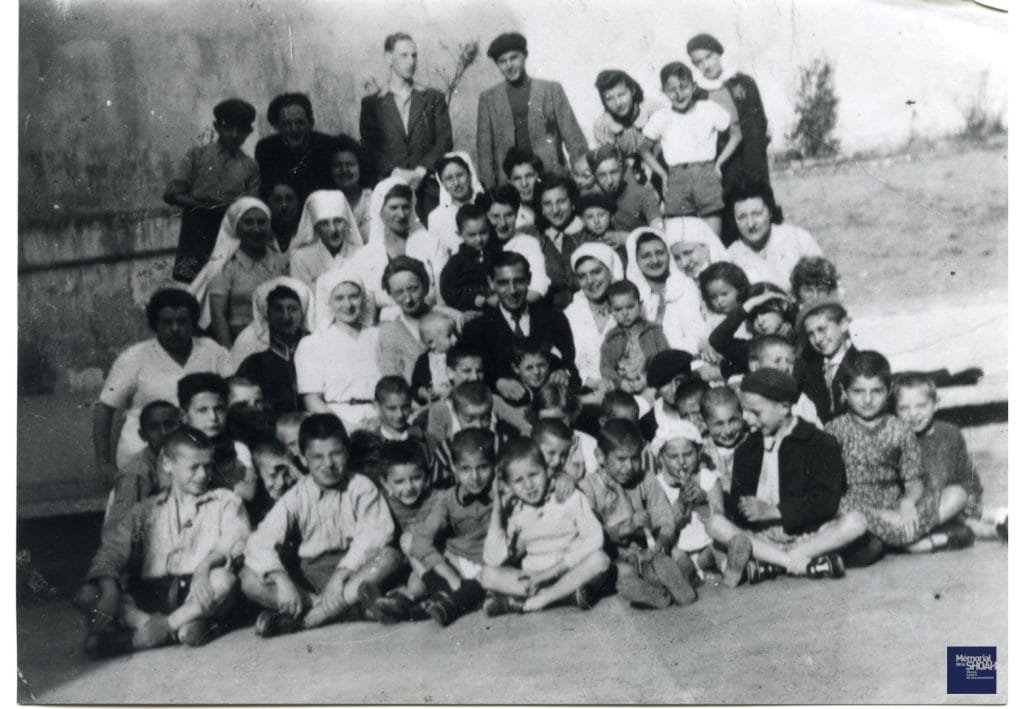
UGIF Center in Louveciennes: On July 22, 1944, the children and counselors were arrested; 6 children were deported to Bergen-Belsen and survived, while 34 others were deported to Auschwitz, 33 of whom were murdered upon arrival.
Photos
Following the roundups of the summer of 1942, the UGIF opened centers for children in the suburbs and in Paris (including the shelter on Rue Lamarck). These facilities were under the control of the General Committee for Jewish Affairs (CGQJ) and the Gestapo.
Photos
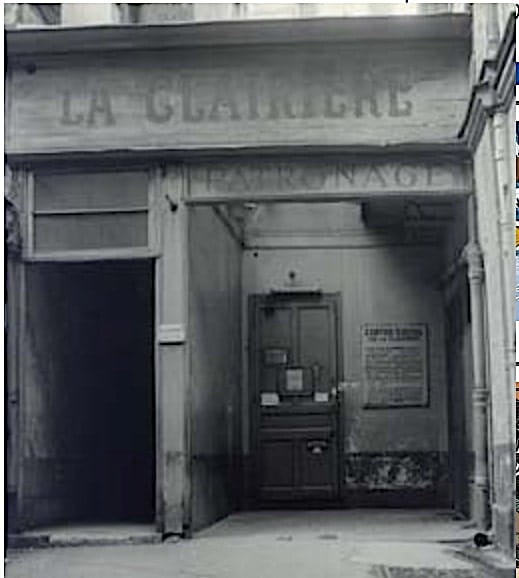
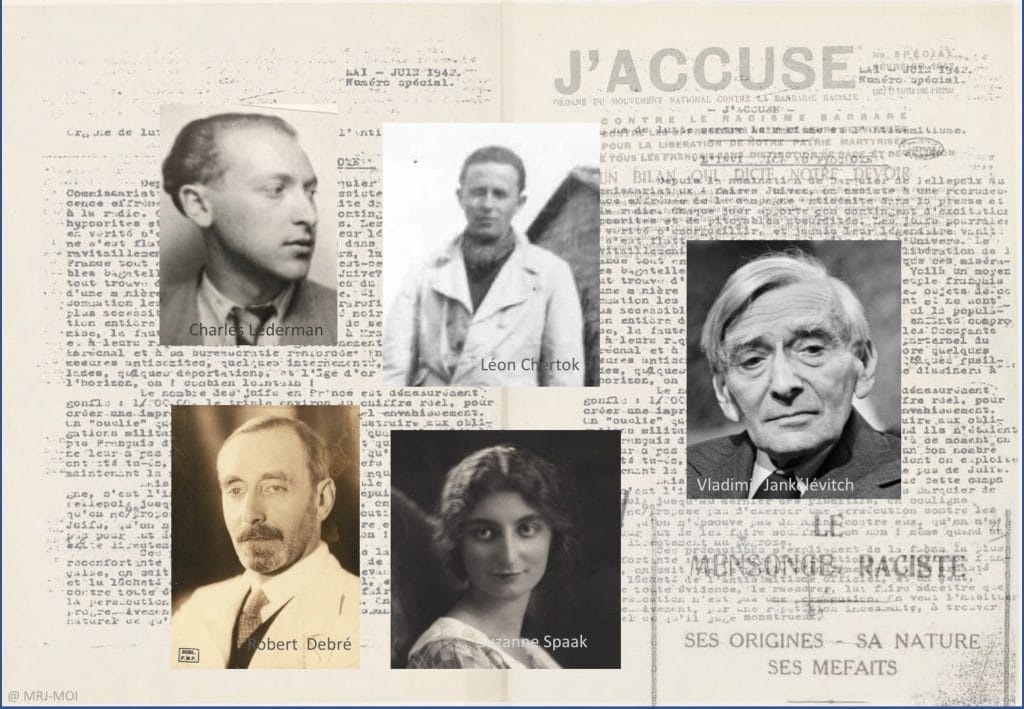
On Feb. 10 and 11, 1943, Paul Vergara and Madeleine Guillemot, members of La Clairière, a Protestant organization in Paris, hid 63 Jewish children who had been smuggled out of the UGIF center on Rue Lamarck, with the help of Suzanne Spaak and Sophie Schwartz.
Photos
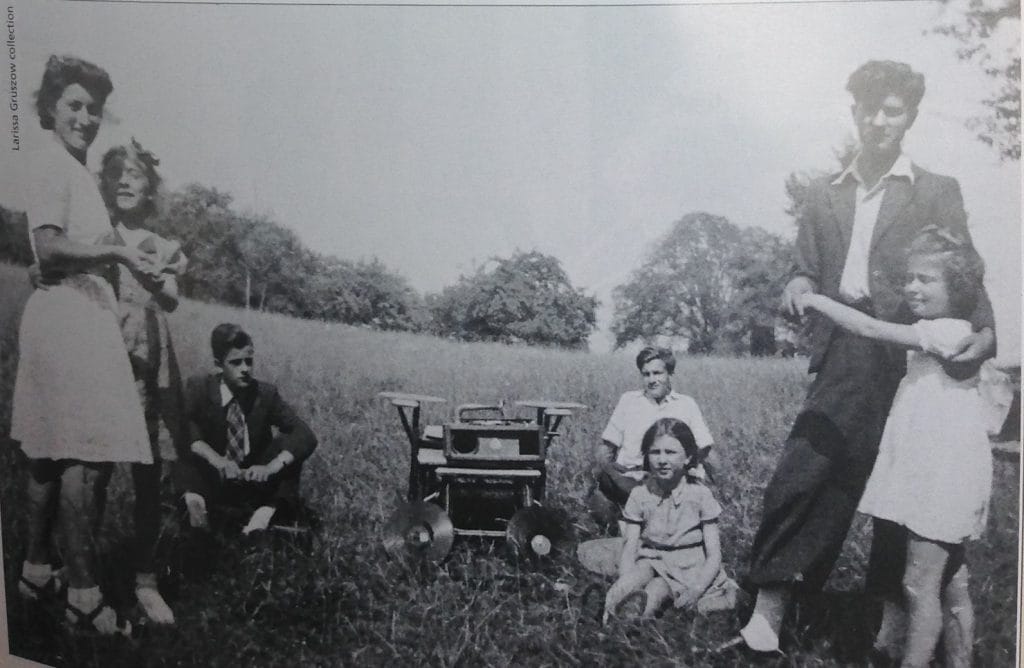
Larissa Wuzek-Gruszow, who was initially placed at the UGIF, was later hidden by Sophie Schwartz, from the Jewish section of the M.O.I., at “La Clairière” and then with a family in the countryside.
Photos
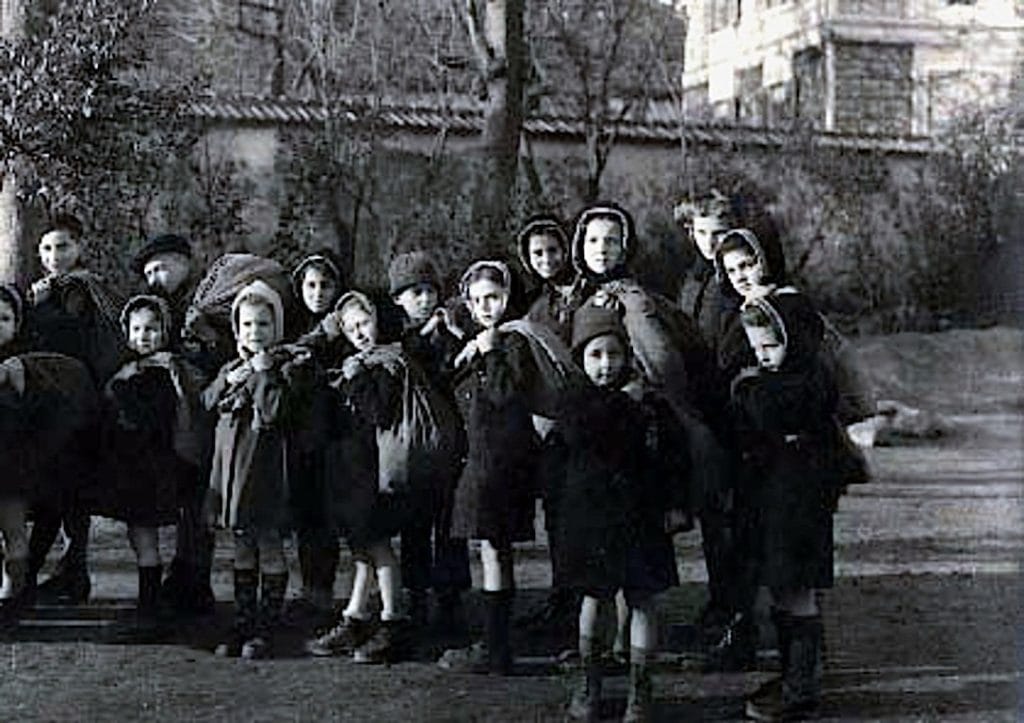
The “Beiss Yessoïmim” orphanage in Saint-Maur-des-Fossés (La Varenne-Saint-Hilaire neighborhood): In March 1943, the children were evacuated to the Nièvre region to be hidden there. They escaped deportation.
Photos
Some of the MNCR members involved in rescuing Jewish children.
Photos
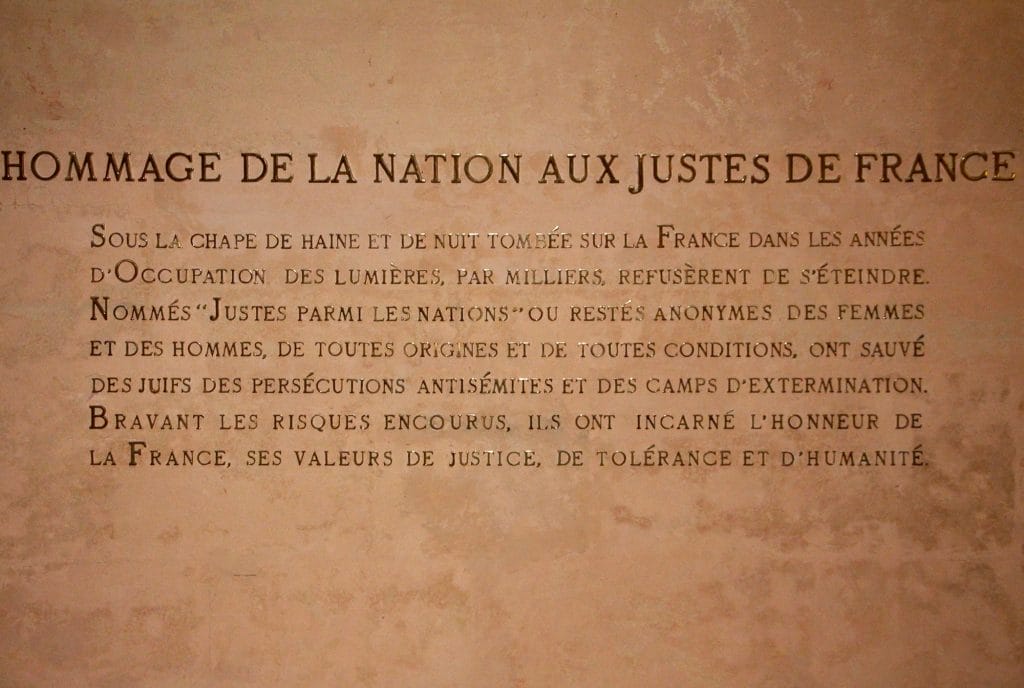
“The Nation’s Tribute to the Righteous of France,” a plaque affixed in the crypt of the Panthéon on January 18, 2007.
Photos
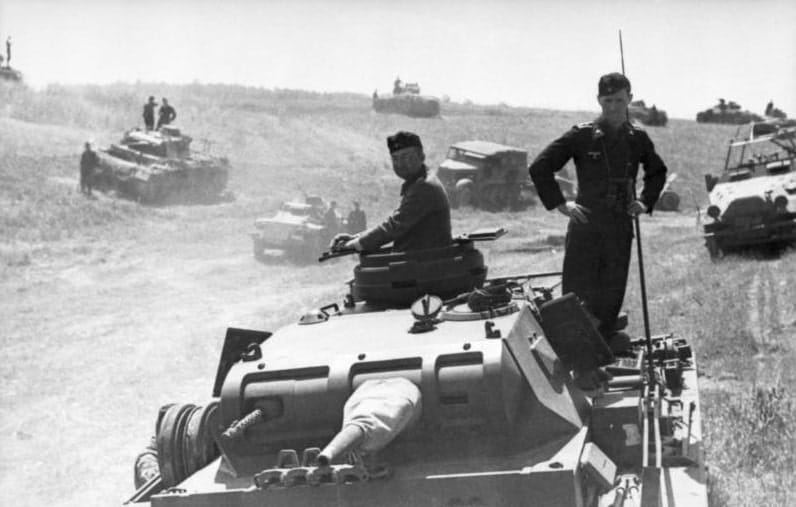
A concentration of German vehicles and tanks in Poland on the eve of Operation Barbarossa (June 1941).
Photos
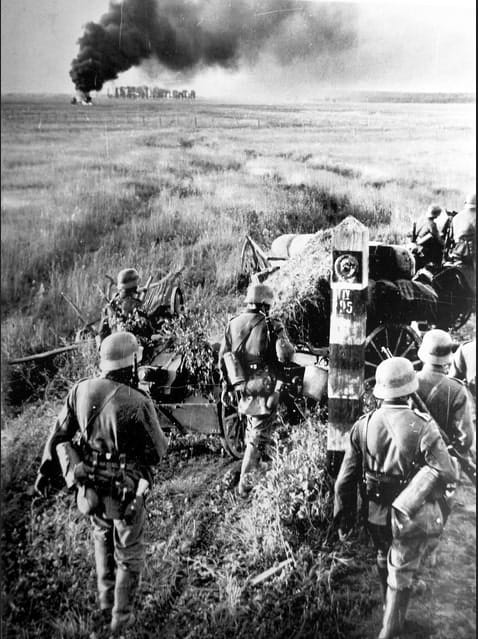
German troops crossing the Soviet border with a cannon during Operation Barbarossa (June 22, 1941).
Photos
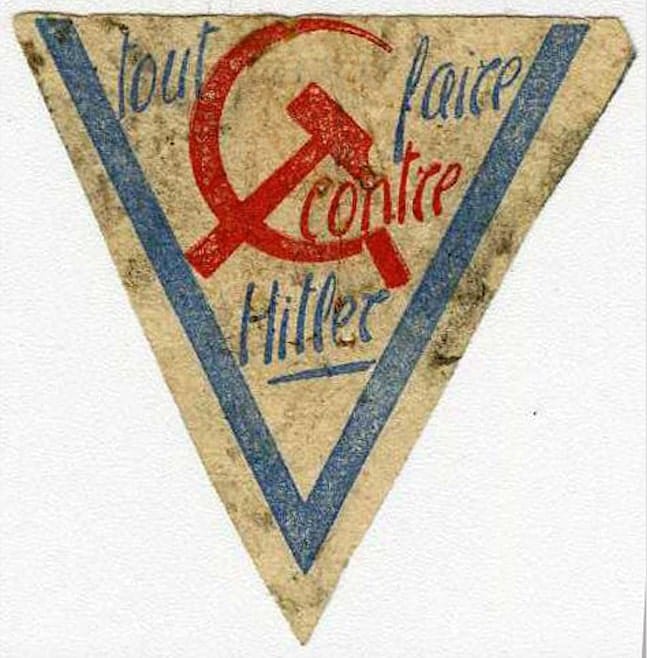
Communist flag (Nord-Pas-de-Calais, spring 1941).
Photos
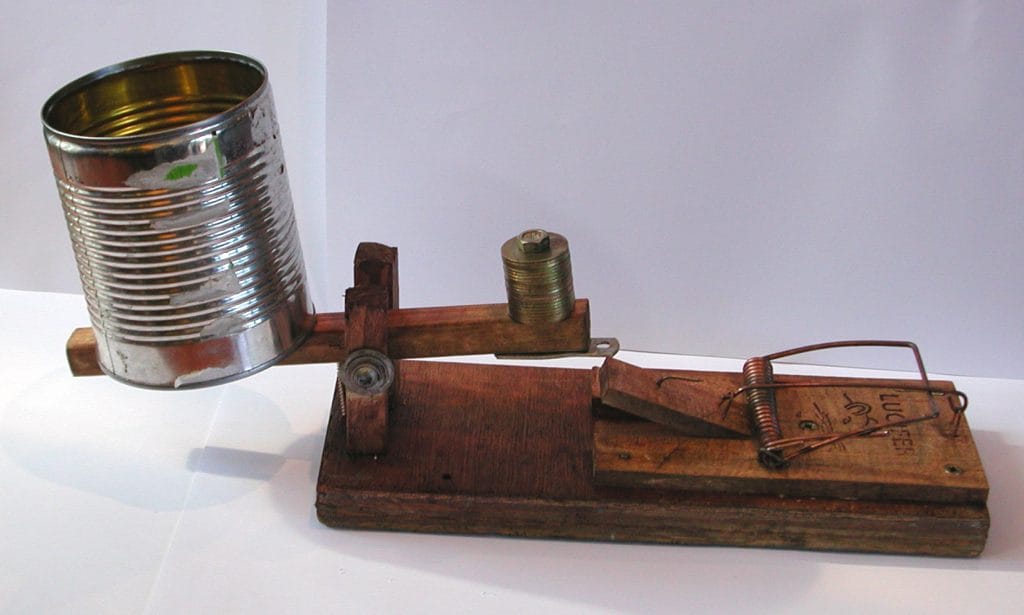
A device used by communist Resistance fighters to distribute leaflets at a later time: as the water in the box drains out, the mousetrap springs open and dispenses the leaflets.
Photos
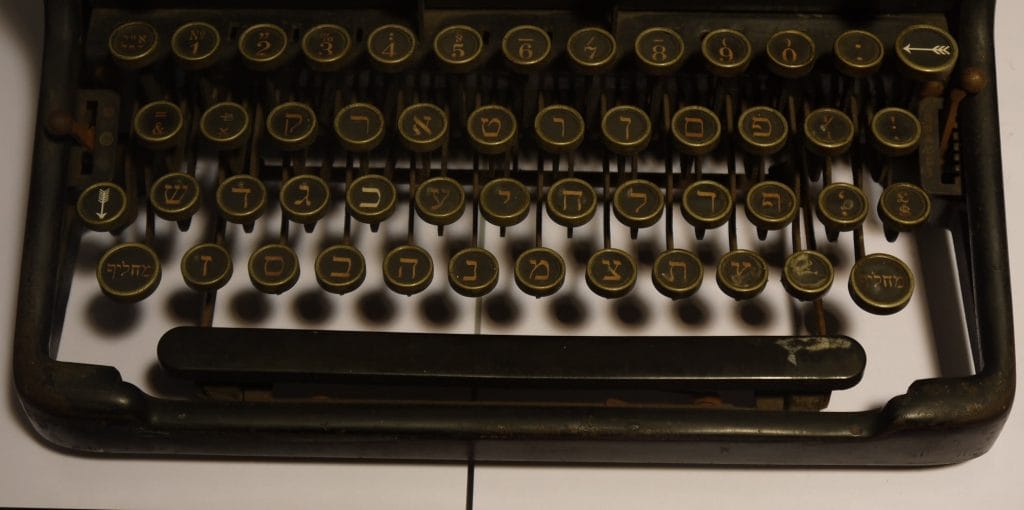
A typewriter keyboard with Hebrew characters, used for Yiddish texts.
Photos
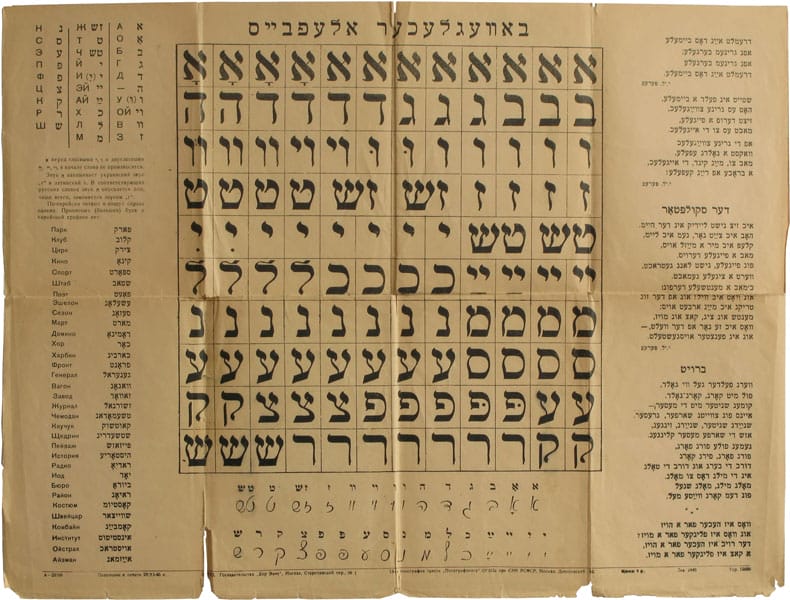
Yiddish alphabet (composed of Hebrew characters).
Photos
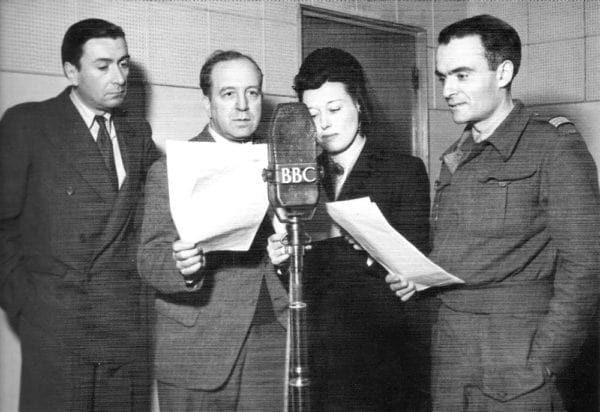
Part of the team behind “Les Français parlent aux Français,” one of the BBC’s most popular programs, which symbolizes a spirit of Resistance.
Photos
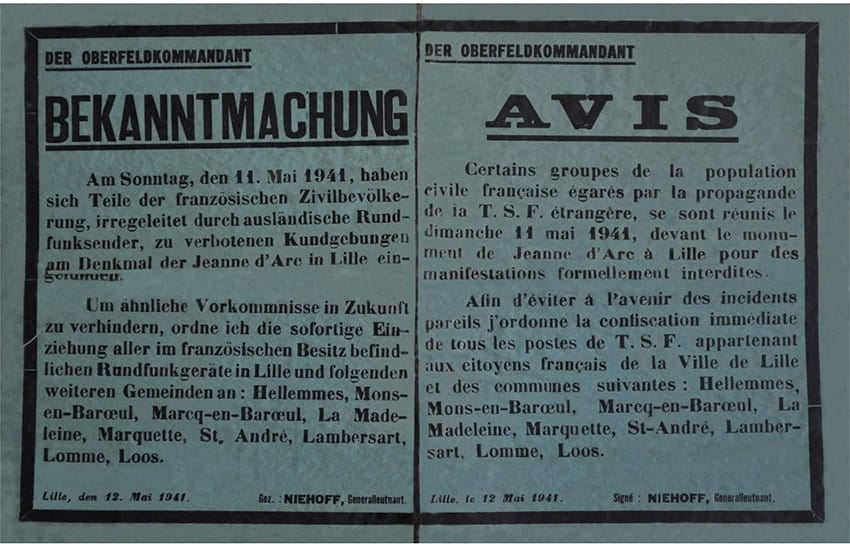
Confiscation of radio sets by German authorities in the Lille region (May 12, 1941).
Photos
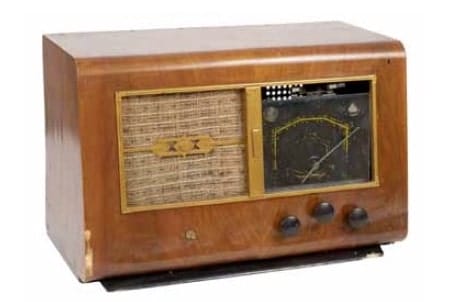
TSF radio. “This is London”: the four gong strikes, “as muffled as a heartbeat,” form the famous jingle for the BBC program “Les Français parlent aux Français.”
Photos
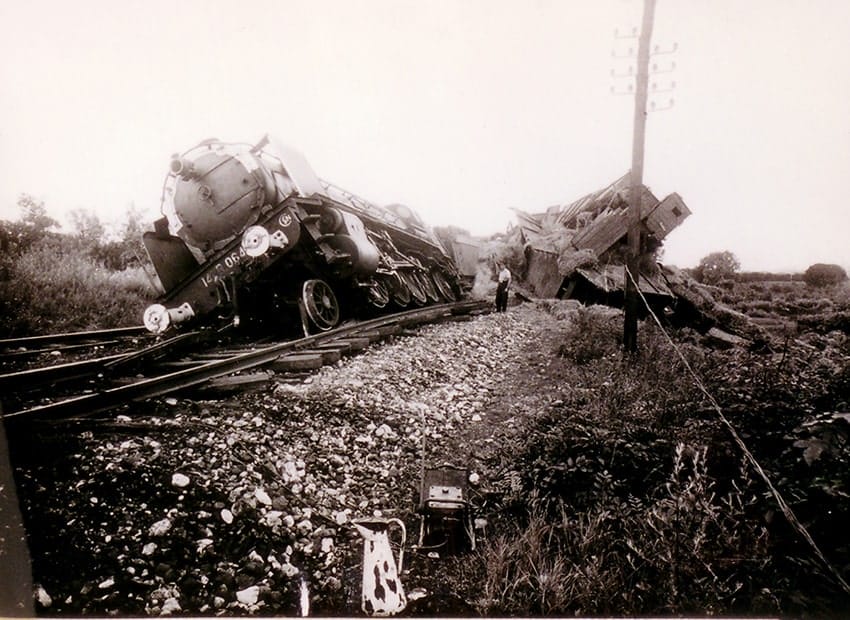
On the night of July 16–17, 1941, following an act of sabotage carried out by Communist activists, a freight train derailed in the municipality of Épinay-sur-Seine.
Page
1
Page
2
Page
3
Page
4
Page
5
…
Page
16